
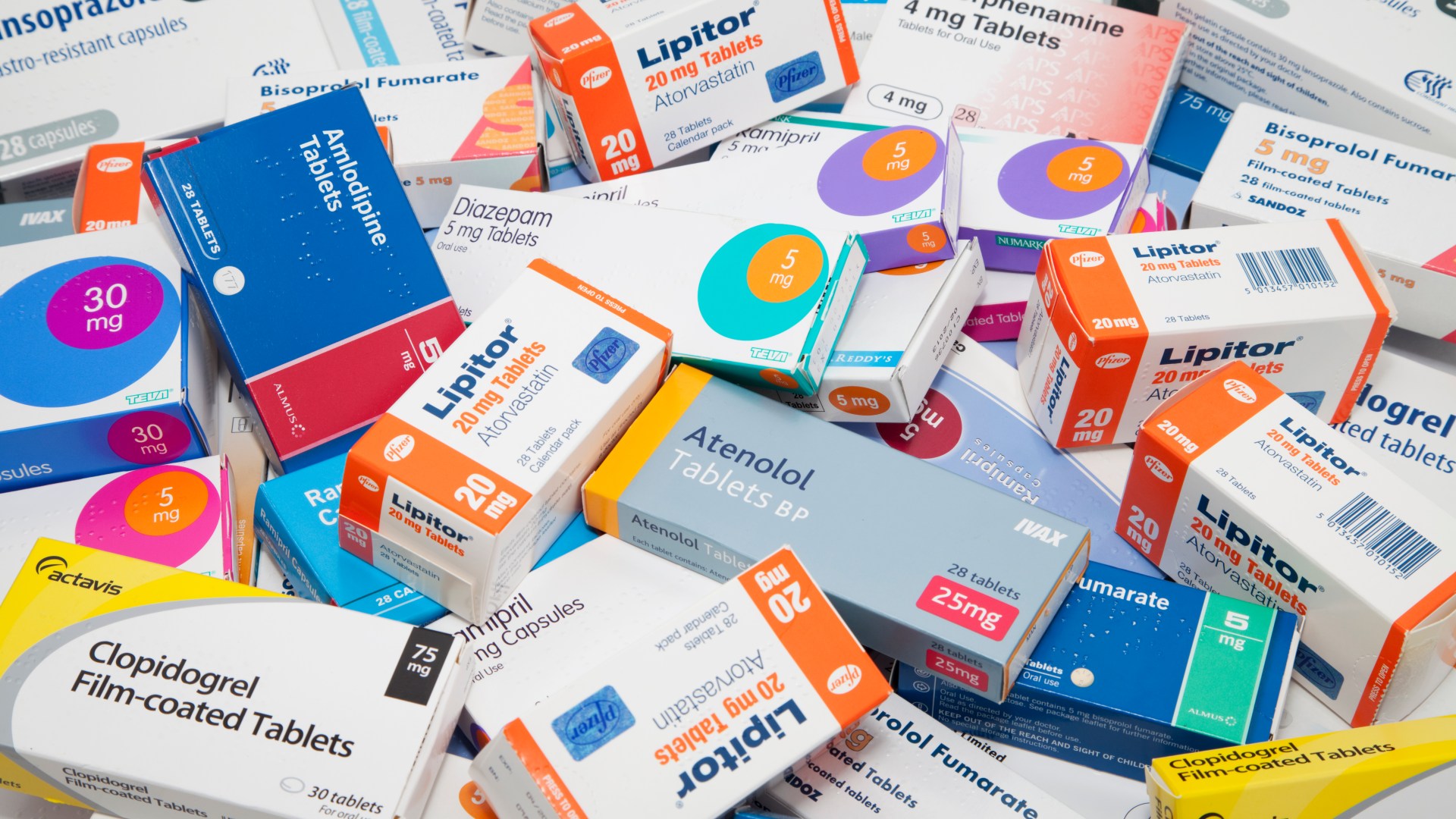
PHARMACISTS have been told to ration a common heartburn drug until 2027, amid major shortages.
The Government has issued serious shortage protocol (SSP) notices for two doses of lansoprazole, which treats heartburn, acid reflux and stomach ulcers.
Patients relying on the drug won’t be able to get more than a month’s supply at a time for as long as the notice is in place.
One in seven Brits are thought to take antacid drugs – also known as proton pump inhibitors (PPIs) – like lansoprazole and omeprazole.
They work by reducing the amount of acid the stomach makes.
NHS data shows lansoprazole was dispensed nearly 38 million times between July 2025 and June this year.
Read more on drug shortages
SHORT CHANGED
The 8 meds in shortage until 2027 or ‘indefinitely’ including heart drugs
CRISIS DEEPENS
The 114 medicines in shortest supply in the UK – is YOURS on the list?
This doesn’t equate to the number of people currently taking it.
The SSPs, which came into effect on September 9, apply to 15mg and 30mg lansoprazole tablets.
They can be amended or revoked at any time, but they’re currently not set to expire until January 15, 2027.
Olivier Picard, Chair of the National Pharmacy Association (NPA) said: “Any patient relying on lansoprazole tablets should speak to their GP and pharmacy to ensure they have continued access to the treatment they need.
Most read in Health
DOC SHOCK
One child, 9, dead and 208 patients harmed by rogue surgeon at major NHS hospital
EYE OPENING
The simple sleep mistake that could damage and change the SHAPE of your heart
CANCER TEST
Thousands of men will get prostate cancer test used to diagnose Jeremy Clarkson
TAKE NOTE
The 5 little-known signs of blood cancer as BBC star reveals incurable diagnosis
“This could include limiting supply to one month or moving to an alternative strength, where this is clinically appropriate and supplies are available.”
It comes as drug shortages in the UK have already reached a record high this year, with pharmacists warning the situation was “deeply alarming”.
Health leaders have repeatedly warned that medicine shortages pose a “serious risk to patient safety”.
At least eight different medications are expected to be in short supply until at least January 2027.
Last week, new SSPs were announced for several doses of the blood pressure medication ramipril, which has been in short supply since April this year.
Officials also revealed certain doses of two medications, one to prevent strokes and the other to treat allergies, would remain out of stock for weeks.
Mr Picard said: “We are concerned by these shortages of lansoprazole, which is one of many shortages of medicines that pharmacies and their patients have had to grapple with.
“This joins a growing list of medicines that pharmacies are finding it hard to source for patients this year, including ramipril, aspirin, co-codamol and Creon to name a few.”
Full list of the 114 medicines at risk of shortages
When pharmacies cannot source a drug at or below the reimbursement price as set out in the Drug Tariff, the Department of Health and Social Care (DHSC) can introduce a price concession at the request of Community Pharmacy England.
The price concessions list is updated every month and as of the August 2026, there were 230 different medicines on it.
When comparing the list from July and August, there were 114 medicines that appeared on both.
These were:
30 types of cardiovascular medications:
ACE Inhibitors
- Enalapril
- Lisinopril
- Perindopril erbumine
- Ramipril
Angiotensin II Receptor Blockers (ARBs)
- Candesartan
Antiarrhythmics
- Amiodarone
- Digoxin
- Flecainide
Anticoagulants (Blood Thinners)
- Apixaban
- Rivaroxaban
- Warfarin
Beta-Blockers
- Bisoprolol
- Carvedilol
- Labetalol
- Sotalol
- Timolol
Calcium Channel Blockers
- Lacidipine
- Nifedipine
- Verapamil
Lipid-Lowering Medications (Statins & Cholesterol)
- Atorvastatin
- Ezetimibe
- Fenofibrate
- Simvastatin
Heart related chest pain and blood flow
- Isosorbide mononitrate
- Naftidrofuryl
- Nicorandil
- Ranolazine
Antiplatelets
- Aspirin
- Dipyridamole
- Ticagrelor
23 types of mental health and neurology meds:
Anticonvulsants / Nerve Pain Medications
- Gabapentin
- Lacosamide
- Lamotrigine
- Levetiracetam
- Phenobarbital
- Pregabalin
Antidepressants
- Clomipramine
- Fluoxetine
- Lofepramine
- Mirtazapine
- Nortriptyline
- Sertraline
- Venlafaxine
Parkinson’s & Neurological Disorders
- Pyridostigmine bromide
- Ropinirole
- Trihexyphenidyl
Antipsychotics
- Aripiprazole
- Chlorpromazine
- Haloperidol
Migraine medications
- Sumatriptan
Sedatives, Anxiolytics & Sleep Aids
- Clonazepam
- Melatonin
- Zolpidem
9 types of pain relief
Anti-Inflammatory & Pain Relief (NSAIDs & Non-Opioids)
- Diclofenac sodium
- Indometacin
- Meloxicam
- Nefopam
Opioid Analgesics (Pain Relief)
- Alfentanil
- Co-codamol
- Codeine
- Morphine sulfate
- Oxycodone
10 types of anti-infectives
Antibiotics & Antimicrobials
- Amoxicillin
- Chloramphenicol
- Co-trimoxazole
- Erythromycin
- Flucloxacillin
- Lymecycline
- Oxytetracycline
Antifungals
- Clotrimazole
- Itraconazole
Antivirals
- Aciclovir
10 types of hormone and endocrine medications:
Antidiabetics
- Dapagliflozin
- Gliclazide
- Metformin
Hormonal Therapies & Endocrine Agents
- Bicalutamide
- Levothyroxine sodium
- Progesterone
- Tamoxifen
Corticosteroids
- Dexamethasone
- Hydrocortisone
- Mometasone
7 types of gastro medicines
Gastrointestinal & Antispasmodics
- Esomeprazole
- Glycopyrronium bromide
- Hyoscine butylbromide
- Lansoprazole
- Prucalopride
- Rabeprazole
Immunosuppressants
- Azathioprine
10 other categories of medications:
Alpha-Blockers (prostate/high blood pressure)
- Doxazosin
Antimalarials & Disease-Modifying Antirheumatics (DMARDs)
- Hydroxychloroquine
- Leflunomide
- Quinine sulfate
Antihistamines
- Loratadine
Vitamins, Minerals & Food Supplements
- Ascorbic acid
- Colecalciferol
- Cyanocobalamin
- Folic acid
- Vitamins A and D capsules
Weight Loss & Smoking Cessation
- Nicotine medicated chewing gum
- Orlistat
Topicals & Emollients
- Aqueous cream
Urological & Bladder Control
- Fesoterodine
- Oxybutynin
Antiemetics & Vestibular Disorders (Nausea & Dizziness)
- Betahistine
- Domperidone
- Prochlorperazine
Psychostimulants / ADHD Medications
- Atomoxetine
Glaucoma
- Travoprost
Diuretics
- Bendroflumethiazide
- Co-amilofruse
- Co-amilozide
- Eplerenone
- Indapamide
Source: Community Pharmacy England
According to the NPA, pharmacists are spending hours sourcing scarce medication while GPs are having to alter prescriptions to fit in with supply issues, inconveniencing and often worrying patients.
“The government should allow pharmacists to make appropriate substitutions to ensure patients do not have to go back to their GP to find an alternative,” Mr Picard stated.
“Pharmacies are increasingly facing supply problems affecting everyday medicines on which millions rely upon, with some describing shortages as the worst they have ever experienced.
“Whilst the medicine supply chain is complex, the rising problem of shortages across a wide range of medicines is extremely worrying for patients and heart-breaking for pharmacists who go to great lengths to ensure they don’t turn them away.”
He called on the Health Secretary Yvette Cooper to urgently put together a task force in order to tackle medicine shortages and global medicine supply chain issues.
Separately, the Govenrment’s price concessions list featured a staggering 243 medications at the end of August 2026.
The price concessions list is an indicator that a drug may be nearing short supply.
As of September 4, there are already 13 drugs on the list.
Currently the NHS pays pharmacies a fixed price for each medicine they dispense and they then have to try and source the drug for that amount, or less.
But when the price goes above what the NHS pays, the medication is placed on the government’s price concessions list.
Some medications are becoming harder to obtain because of surging global prices and the fact that government funding has not kept up with rising costs.
RECOMMENDED STORIES
When market prices rise suddenly – often above the original tariff and even above the concession price offered – pharmacies end up dispensing medication at a loss, meaning they are not fully reimbursed by the NHS.
This then makes it harder for pharmacies to buy enough stock for their patients, increasing the likelihood that people will face delays or sudden shortages.