
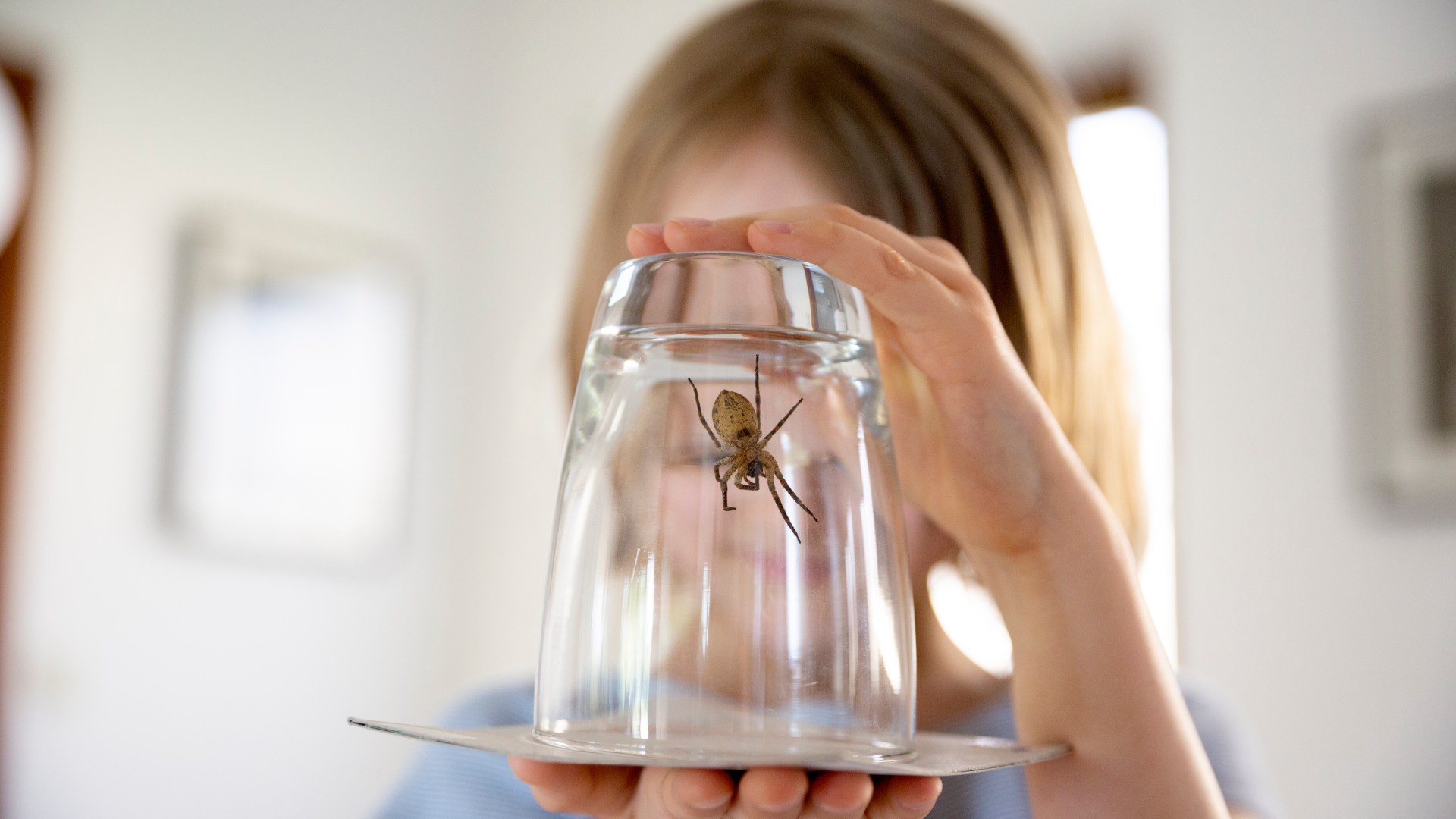
AS temperatures fall and the days shorten, you aren’t the only one considering getting comfy inside a nice warm house.
From rodents looking for the perfect place to reside over winter, to giant spiders seeking a mate, September sees a host of pests seeking shelter in our homes.
8
Stephen Wales, from Bespoke Pest Control, gives Laura Stott his advice for warding off our creepiest and most destructive autumnal home invaders.
SPIDERS
SEPTEMBER is when thousands of prowling male arachnids invade our homes in search of a female mate.
Thanks to this summer’s heatwaves, experts also predict we’ll be seeing bigger and more scary eight-legged visitors lurking around indoors than ever before, with some breeds spanning up to 14cm wide.
To stop the surge of unwanted intruders, try to keep the areas around windows, doors and sheds reasonably tidy and free from foliage or clutter, where spiders like to build webs.
READ MORE ON PESTS
CUPBOARD CURES
Baking staple found in kitchen cabinets keeps common pests out of gardens
HEAT BUGS
Garden diseases and pests that thrive during heatwaves and how to stop them
Seal up cracks to crawl-proof entry points and if you don’t need outside lights on, turn them off. The glow will attract insects and bugs, which hungry spiders prey on for food.
CLOTHES MOTHS
8
IF you don’t want holey jumpers then wage war on destructive clothes moths now.
The larvae feed on natural animal fibres and love to munch wool, cashmere, leather and silk as well as human and pet hair and dead skin cells.
Give wardrobe and drawers a proper clean and Hoover, particularly focusing on dark corners.
Most read in Fabulous
MYSTIC MEG
If someone at work is playing good cop, make the most of it
NOT RAD
Sue Radford disgusted after daughter ‘refused school place due to condition’
MUM KNOWS BEST
I choose my son’s friends – there are 5 types I refuse to let him mix with
OTT-OH-MAN
Shoppers race to Primark as stylish storage hero is slashed from £18 to just £5
If you’re putting clothes away for winter, clean them properly first.
Mothballs for drawers and wardrobes, lavender sprays and pheromone traps also help.
CARPET BEETLES
8
THIS month is when UK carpet beetle larvae hatch and begin hungrily chomping on natural fibres indoors, such as wool, feathers, fur and leather.
Inspect surfaces carefully and you may spot the small hairy brown grubs or see cast-off skins and shells shed in dark areas.
Beat the beetles by giving everywhere a good vacuum, including all those awkward shadowy recesses and corners.
Clean furniture, around the skirting boards and in cupboards and don’t leave chewable materials such as wool blankets, cushions, clothes, rugs or bedding sitting untouched for months. Pheromone traps also help.
WASPS
8
RIGHT now wasp nests are at peak size, as the queen has stopped producing larvae.
That means more hungrier, angrier stingers are buzzing around away from their colony looking for snacks.
To deter them, keep food and sweet drinks covered when outside, and when indoors be extra- vigilant about waste and wiping up spills.
If you do find a nest in the home or garden, never start poking it or trying to block the entrance.
This causes a scent called pheromone to be released and if wasps perceive an attack they’ll start to sting.
Stay safe and get someone qualified to inspect it.
Check the NPTA or BPCA websites to find professional pest controllers.
CLUSTER FLIES
8
PREVENTION really is better than cure as cluster flies begin emerging from the soil and gathering on sunny walls.
They are looking for access to lofts, eaves and nooks to hibernate in over winter.
Check around windows, roof spaces, soffits and other obvious entry gaps, and seal them where you can with caulk.
If you’ve spotted these bugs indoors already, the vacuum cleaner is your best friend.
Insecticide sprays or fogging may help but, as with all autumnal pests. don’t automatically reach for a spray or bait. Instead, think about why the critter is there in the first place.
Take away food, water or shelter, stop them getting in, and you’re already doing half the job.
Seek profession advice if in doubt.
SILVERFISH
8
AUTUMNAL climate and humidity changes mean you might soon start to spot more of these metallic-looking, teardrop-shaped, antennaed indoor invaders.
Mostly nocturnal and often spotted in bathrooms, think less moisture and more ventilation when it comes to eliminating the shiny critters.
Opening windows and keeping damp areas dry will make your home far less attractive.
A dehumidifier can be useful too.
FOXES
8
FIGHTING among foxes intensifies during autumn as they get more territorial ahead of the mating season.
Meanwhile, cooler temperatures might also see them coming into gardens to seek food, water or shelter.
To out-fox the animals don’t turn your garden into a free takeaway. Keep food waste secure, don’t leave pet food outside and clean anything edible that’s been left around.
Be careful with some organic plant fertilisers too – those made with blood, fish and bone can also attract digging.
Many sprays are available which claim to mimic the scent of other foxes but use these cautiously.
They could backfire by encouraging foxes closer to protect their territory.
RODENTS
8
JUST like us, mice and rats also start seeking warmth and shelter as it becomes colder outside.
Infestations are most common in winter months and can be costly and problematic to combat, so take steps now to prevent them.
The biggest draw for these unwelcome scuttling guests is food debris, so keep surfaces, floors and cupboards snack-free as a deterrent.
Dispose of crumbs and clean up spills. Put away pet food and don’t forget outside areas too. Clear bird seed from gardens and ensure bins are closed.
Inspect the outside of your home for potential rodent entry points and seal up any non-essential gaps or damaged brickwork with caulk or steel wool, particularly around pipes, vents, doors and air bricks. Mice do not need a very big hole to get in.
RECOMMENDED STORIES
Repellents can be useful, but for established rodent problems, seeking professional help is usually best.
- https://bespokepestcontrol.co.uk.