
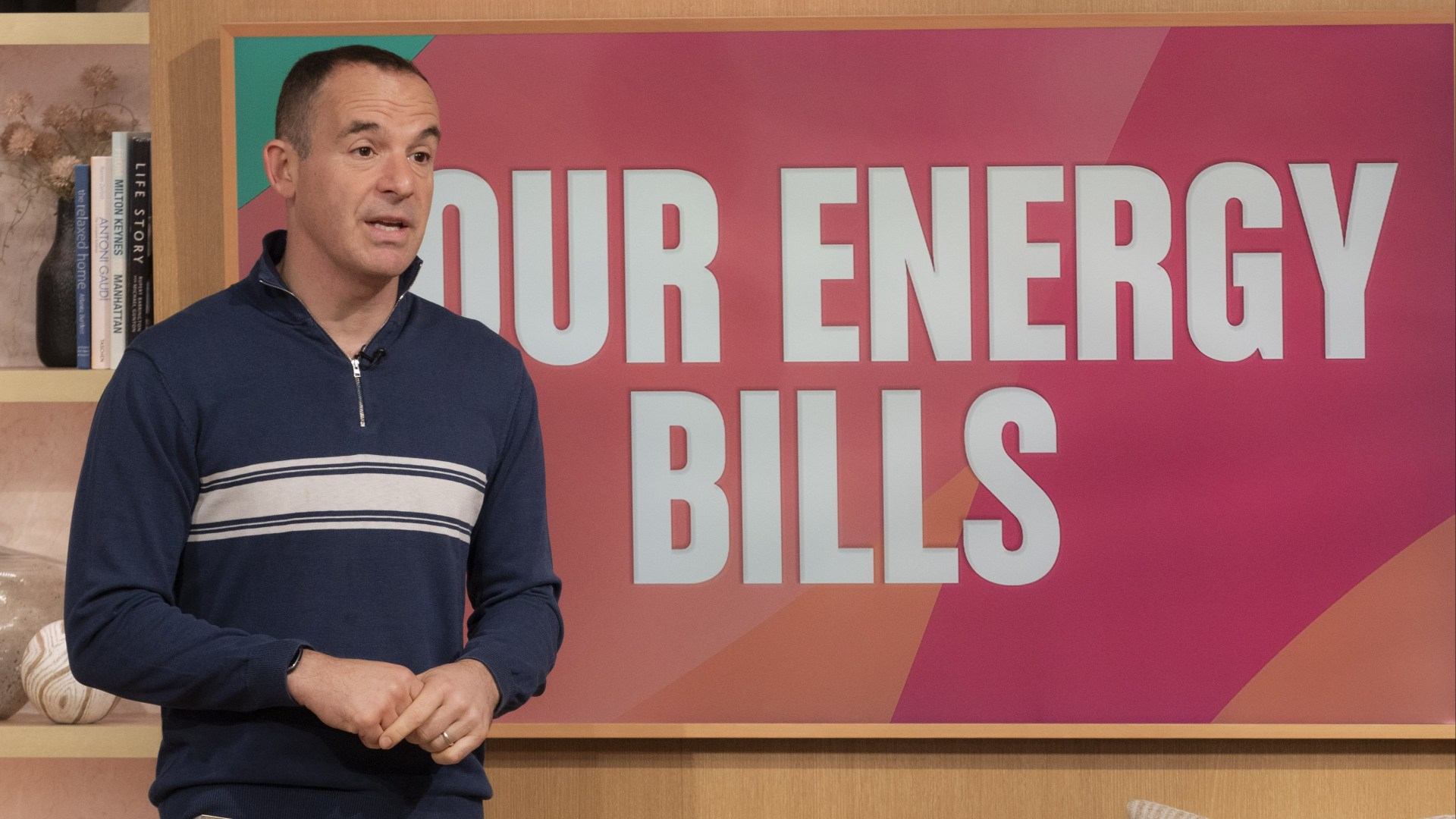
MARTIN Lewis has warned that household energy bills could soar this winter, as the wholesale cost of gas hits its highest level since the core of the Ukraine conflict.
British gas prices have climbed to 196.57p per therm, up 7.77p, the highest level seen since late 2022.
Wholesale prices are the cost that energy suppliers pay to buy gas and electricity before it reaches our homes, and when those prices rise, our bills usually follow.
The latest spike has been driven largely by fresh turmoil in the Middle East, after a series of strikes linked to the war involving Iran sent oil prices surging past $100 (£73.78) a barrel for the first time since July.
Because gas and oil markets are closely linked, the jump in oil prices has helped push UK gas prices to their highest point since December 2022.
US officials said multiple Iranian oil tankers had been struck on Tuesday night, in response to attempted missile attacks on a Navy warship, rattling energy markets around the world.
Read more in money
FLIGHT CHAOS
Ryanair & Wizz Air demand air traffic chief is SACKED after 1,750 flights axed
PUMP PAIN
Petrol jumps to highest level in four years – where to find cheapest UK prices
MoneySavingExpert.com founder, Martin Lewis, took to X.com to warn that the surge in costs would hit households both immediately and in the months ahead.
He said: “The situation for domestic UK energy bills really isn’t looking good.”
He warned that the rise in gas prices would filter through to the price cap set by regulator Ofgem, which decides how much suppliers can charge millions of households across Britain.
He said: “Longer term, this feeds into the January price cap.”
Most read in Money
FLIGHT CHAOS
Ryanair & Wizz Air demand air traffic chief is SACKED after 1,750 flights axed
CASH IN
Chancellor to launch new first-time buyer Isa to help Brits get on the ladder
PUMP PAIN
Petrol jumps to highest level in four years – where to find cheapest UK prices
POT LUCK
The pension superpower that is boosting your pot by £65k – how to make use of it
“It’s currently on target to rise 10% to 15% over October’s cap.”
Ofgem has already confirmed that the cap will rise 4% in October, taking a typical dual-fuel household bill from £1,663 to £1,723 a year.
That follows a steep 13% increase in July, meaning families are already facing higher costs before this latest wave of wholesale price rises even reaches their bills.
However, Economist Simon French, chief economist and head of research at Panmure Liberum, warned that January’s price cap increase could be even steeper than Martin’s estimations.
He said the latest projections suggest the cap could return to levels last seen in the second quarter of 2023, marking an 18% rise on the current quarter.
He warned that would represent the largest quarter-on-quarter jump since the final quarter of 2022, when the energy crisis was at its most severe.
French suggested the scale of the increase could force the Bank of England to reassess its outlook on inflation in the coming weeks.
Meanwhile, gas storage levels across Europe are also running well below normal for this time of year, with reserves just 67% full compared with 79.5% at the same point last year, according to Gas Infrastructure Europe.
Lower storage levels mean countries have less of a safety net heading into winter, which can push prices higher as demand increases in the colder months.
Analysts at HSBC believe stock levels across the continent will only reach 73% by November 1, which would be the lowest level since records began in 2009.
The bank does not expect supplies of liquefied natural gas from Qatar, a major global supplier, to return to normal until early next year at the earliest.
Richard Hunter, head of markets at Interactive Investor, said the deteriorating situation in the Middle East was fuelling fears over energy supplies just as demand rises heading into winter.
He said: “The outlook in the Middle East has recently worsened once more, with any signs of detente looking elusive.”
“Such focus comes at a time when consumers could be affected by the lack of supply as the colder seasons approach.”
The turmoil in oil markets is also being felt at the pumps, with petrol and diesel prices climbing steadily since the start of September.
According to the RAC, the average price of unleaded petrol has jumped by 5p a litre in the past week to 167.17p — its highest level since September 2022.
Diesel has risen by the same amount to 188.63p a litre, its highest level since April 2026.
RECOMMENDED STORIES
The increases have added £2.75 to the cost of filling a typical 55-litre family car.
RAC senior policy officer Rod Dennis said: “With no end to the US/Iran conflict in sight, there’s little drivers can do to protect themselves from rising prices, apart from driving as efficiently as possible and using free apps such as myRAC to find the cheapest forecourts wherever they are in the country.”