
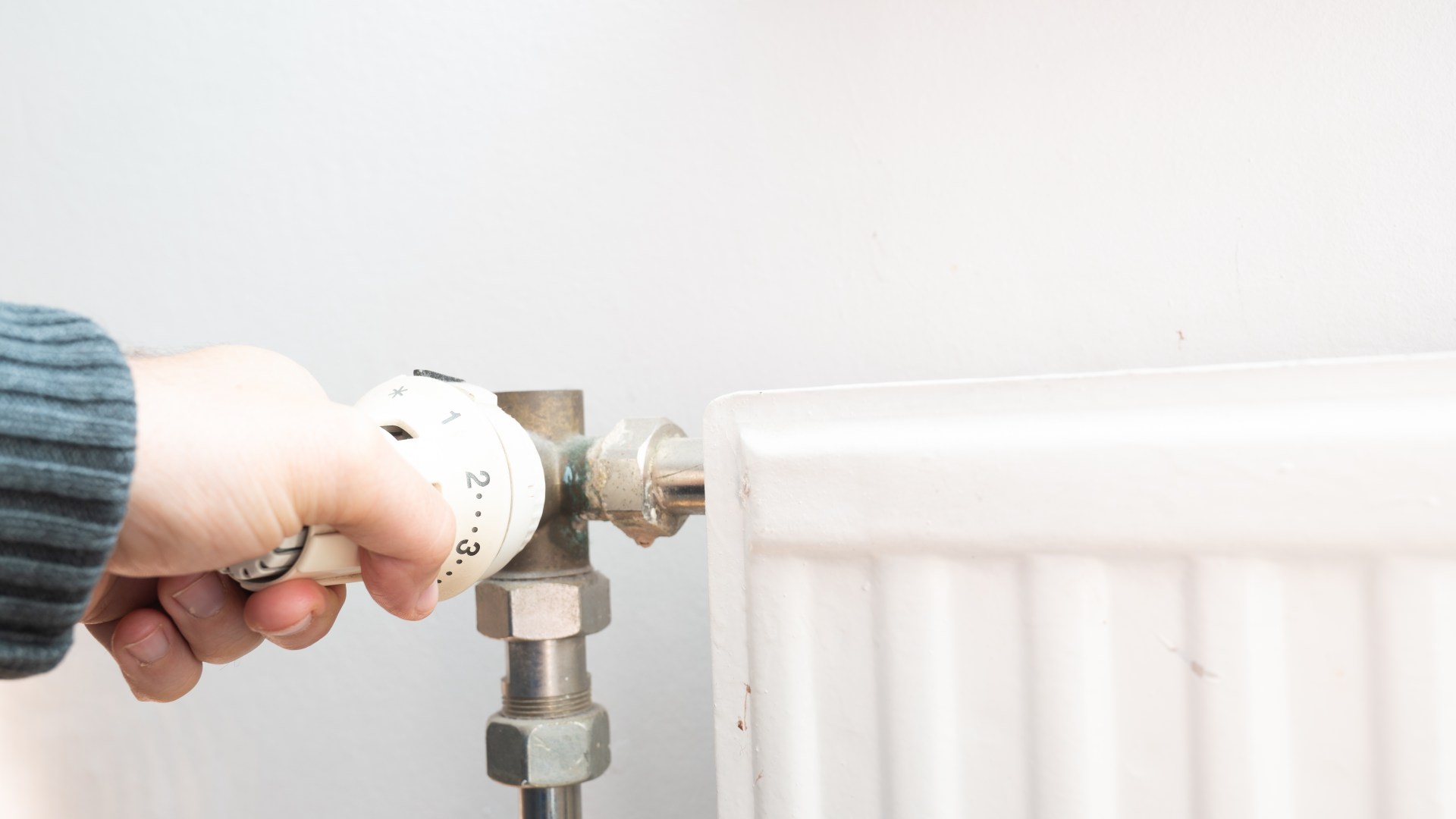
ENERGY prices could keep rising next year if the war in Iran continues, the Bank of England governor has warned.
Andrew Bailey said the UK economy is still coming under pressure from inflation and energy prices “could be higher still” in 2027.
The conflict in Iran has triggered a surge in oil prices as it has disrupted global supply chains.
Brent crude prices climbed toward $100 a barrel on Tuesday, which is significantly higher than usual.
UK households are already facing the highest energy bills in three years when the new price cap comes into force on October 1.
The energy price cap, which is set by regulator Ofgem, is set every three months and limits the amount providers can charge per unit of energy.
Read more on bills
POWER DOWN
The 9 ‘vampire devices’ adding £147 to your energy bills – and the simple fix
BILLS BOOST
Brits can get money back on bills and restaurant spending with new bank offer
It’s set to rise 4% next month, bringing the average dual-fuel household bill to £1,723 a year.
Analysts are forecasting energy bills could go up another 8.6% in January to £1,872.
Mr Bailey said: “The conflict is still going on and it is also causing a high level of energy prices and quite a bit of volatility in energy prices.”
He added that turbulence was “feeding through into financial markets“.
Most read in Money
CASH IN
Chancellor to launch new first-time buyer Isa to help Brits get on the ladder
PRICES SOARING
Xmas misery for Brits as food inflation set to soar to 4% by end of year
TAXING TIMES
Where to put your savings and investments NOW to avoid a Budget cash grab
JOBS BOOST
High street giants to offer 100,000 jobs and work experience for young Brits
The Bank of England governor also warned there could be as many as three interest rate hikes over the next 12 months.
Increased interest rates raise mortgage bills and the cost of taking out loans.
If you’re worried about rising energy bills, here’s what you can do now to protect yourself…
Make sure you’re not on a standard variable rate
4
A standard variable rate (SVT) is your energy supplier’s default plan.
With one of these energy tariffs, your bills will go up or down every three months along with the price cap.
You’ll usually be on an SVT if your fixed-term deal expires or if you move into a new home and don’t choose another plan.
However you’ll usually end up paying far more if you’re on an SVT, especially if the energy price cap climbs again.
The good news is that there won’t be any exit fees for leaving an SVT as it’s a rolling monthly contract.
That means you can easily switch to a better plan.
Move onto a cheaper fix now
4
The best thing to do now is to move onto a fixed energy deal that’s below the price cap.
Several deals right now are below the current cap, which means they’ll save you even more when bills rise in October.
Outfox Energy has a Fixed Dual Aug26 18M v1 Family Advantage+ tariff which is 5.8% less than the current cap.
That means it will save you roughly £96 a year.
Alternatively, Fuse has the September 2026 Fixed (24m) v2 tariff, which is fixed for 24 months.
It’s 4.4% less than the current cap, saving you £73.
Draught-proof your home
4
You could also winter-proof your home now so you don’t need to have your heating on as high or as often.
This could mean improving your insulation by draught-proofing your doors and windows, blocking any gaps on your home’s exterior, and checking your loft and roof insulation levels meet the recommended depth standards.
You could buy cheap self-adhesive foam strips to add to your windows, which can cost as little as £5 from retailers like Screwfix or Amazon.
Another option is to apply silicone caulk to any gaps or cracks around your window frame.
Or you could add window insulation film, which can also cost as little as £5.
Adding insulated curtains or drapes could help too.
Make changes to your energy habits
4
You could also take steps to cut down on the amount of energy you’re using.
The Energy Saving Trust estimates changing your habits could save you as much as £313 a year.
RECOMMENDED STORIES
For example, you could avoid using your tumble dryer, spend less time in the shower and switch any electricals off standby when you’re not using them.
You could also wash your clothes at 30C instead of 40C, only wash your dishwasher when it’s full and swap your bath for a shower.