
MAKING a “simple” food swap could help men with prostate cancer slash their risk of death by 20 per cent, scientists say.
Men diagnosed with prostate cancer who ate more saturated and animal fat – found in butter, cheese, sausages and cakes – were more likely to die from heart disease and other cancers, a new study showed.
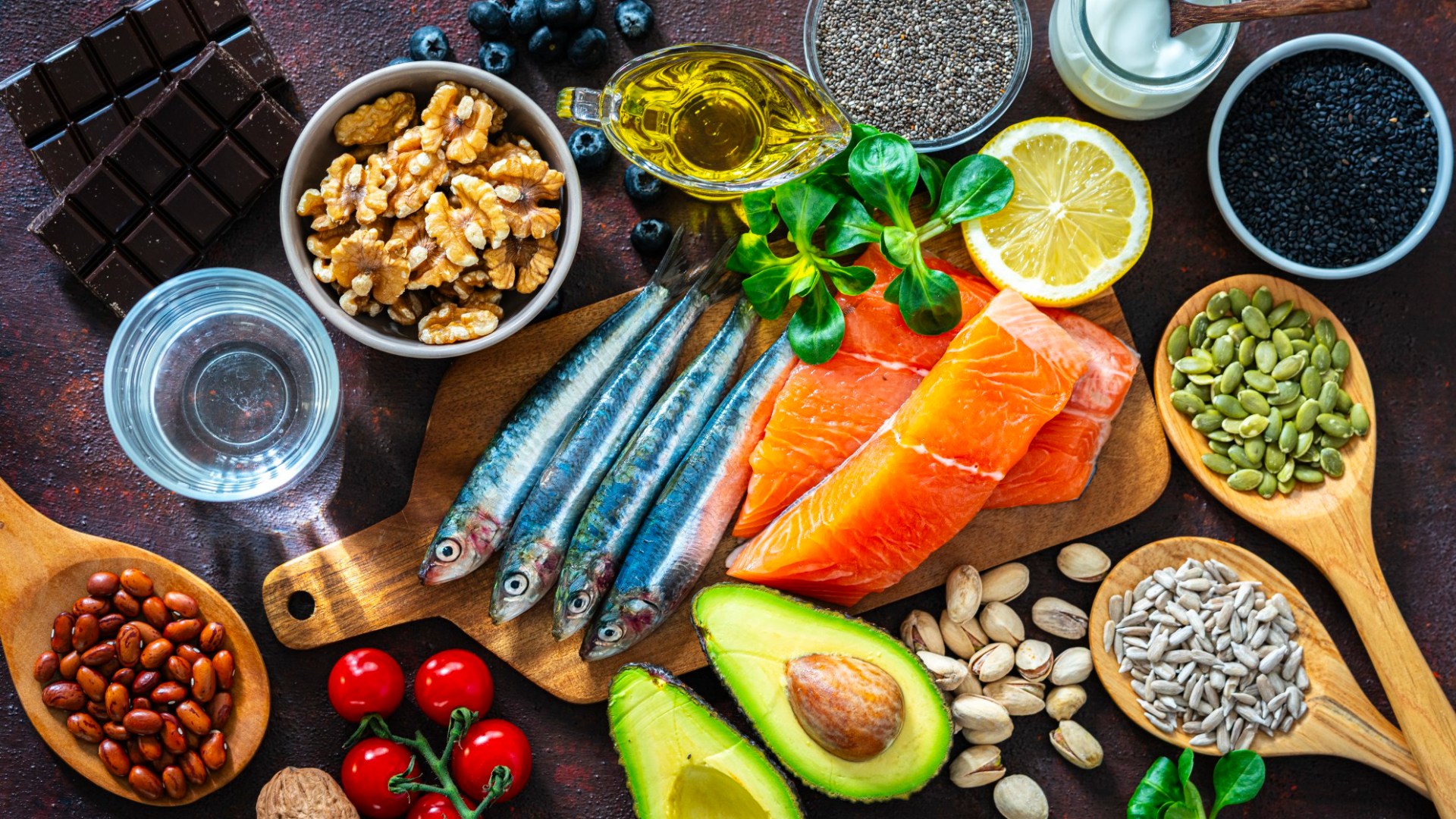
But substituting some of these foods with healthier fats like olive oil and avocados was shown to boost their chances of survival.
More than 64,000 men are diagnosed with prostate cancer every year in the UK.
The disease kills 12,000 a year, but 540,000 men are still living with the disease or have successfully treated it.
Around 80 per cent of patients will live 10 years or more after being diagnosed with prostate cancer.
Read more on diet
STOP POP!
Just one can of fizzy drink a day DOUBLES stomach cancer risk – except one type
PLATE POWER
The diet that could slash your risk of FIVE cancers by up to 30% revealed
Scientists from the Research Institute of the McGill University Health Centre and Harvard T.H. Chan School of Public Health suggested diet could help cancer survivors live a longer healthier life.
It’s not just about “control of the original tumour”, said Lorelei Mucci, co-senior author of the study and professor of epidemiology at Harvard Chan School.
“Protecting cardiovascular and overall health is an essential part of prostate cancer care, particularly because some treatments can affect metabolic and cardiovascular health,” she said
Nearly 5,000 men with nonmetastatic prostate cancer – meaning it hasn’t spread beyond the prostate – were followed for about 12 years for the study.
Most read in Health
AISLE BE DAMNED
Worst ‘healthy’ baby food revealed – as 1 in 5 ‘putting health at risk’
CRISIS
NHS drug warning as 2 new meds used by millions face shortage – are you affected?
ALE-MENTS
How your favourite PINT could uncover bowel cancer – and when to see your doctor
SHOCK DIAGNOSIS
I spotted random bruises on my legs – now I don’t know how long I have left
What is prostate cancer?
Prostate cancer affects a small, walnut shaped gland that sits underneath the bladder and surrounds the urethra – the tube carrying pee outside the body.
It usually grows bigger as you get older.
The prostate’s main job is to help make semen – the fluid that carries sperm.
Most men with early prostate cancer don’t have any signs or symptoms – that’s why it’s important to know about your risk.
Possible symptoms include:
- Difficulty starting to urinate or emptying your bladder
- A weak flow when you urinate
- A feeling that your bladder hasn’t emptied properly
- Dribbling urine after you finish urinating
- Needing to urinate more often than usual, especially at night
- A sudden need to urinate – you may sometimes leak urine before you get to the toilet
If you do notice changes in the way you urinate, this is more likely to be a sign of an enlarged prostate, which is very common and non-cancerous.
But it’s still a good idea to get it checked out.
In the UK, about one in eight men will be diagnosed with prostate cancer in their lifetime.
Some factors may mean you’re more likely to get it.
This includes:
- Getting older – it mainly affects men aged 50 or over
- Having a family history of prostate cancer
- Being Black
If you have any of these risk factors or if you have any symptoms, speak to your GP.
They can talk to you about your risk, and about the tests that are used to diagnose prostate cancer.
Source: Prostate Cancer UK
Researchers examined whether the participants’ intake of fats was linked to their overall mortality or specific causes of death.
During follow-up, 3,040 participants died – 803 from cardiovascular disease, 499 from cancers other than prostate cancer, and 441 from prostate cancer.
Men who ate the most saturated fat had a 24 per cent higher rate of death than those with the lowest intake.
They had 26.4 per cent risk of dying within the next 10 years, according to researchers’ analysis, compared to men who ate the least saturated fat.
This group had a 23.4 per cent risk of death over 10 years.
The researchers also estimated how replacing unhealthy fats with healthier alternatives – while keeping overall calorie intake similar – would affect participants’ health.
Animal fats include lard, fatty cuts of meat, dairy products such as whole milk and cream, as well as some cheeses.
But coconut oil and palm oil, which are plant-based products, are also high in saturated fats.
Meanwhile, biscuits, cakes, ice cream, chocolate, pizza, pies and pastries tend to contain unhealthy fats too.
Unsaturated fats are found in plant foods such as olive oil, vegetable oils, rapeseed oil, avocados, nuts and seeds, and in oily fish such as salmon, mackerel and sardines.
Replacing about 10 per cent of the calories men got from animal fat daily with plant-based fat was linked to a 16 per cent lower rate of death from any cause, researchers found.
Similarly, replacing about 5 per cent of daily calories from saturated fat with healthy fat was associated with a 20 per cent lower rate of death.
Co-senior author David P Labbé, a scientist in the Cancer Research Program at The Institute, said: “The central message is not simply to ‘eat less fat.’
“Rather, the type and source of fat appear to matter.
“Replacing some animal fats and saturated fats with plant-based and unsaturated fats may help support long-term health after a prostate cancer diagnosis.”
Edward Giovannucci, professor of nutrition and epidemiology at Harvard Chan School, added: “The takeaway is to prioritize simple substitutions —choosing olive oil, nuts, seeds, avocados and other plant-based foods more often instead of foods high in animal or saturated fat.”
Prostate Cancer UK tells men with the disease to eat no more than 30g of saturated fat a day.
Replacing animal fats with vegetable oils may help men with prostate cancer to live for longer, it adds.
RECOMMENDED STORIES
“There is also some research that suggests eating lots of saturated fat might be linked with an increased risk of prostate cancer coming back after surgery, and of developing advanced prostate cancer,” according to the charity.
“But we need more research to know for sure whether this is the case.”