
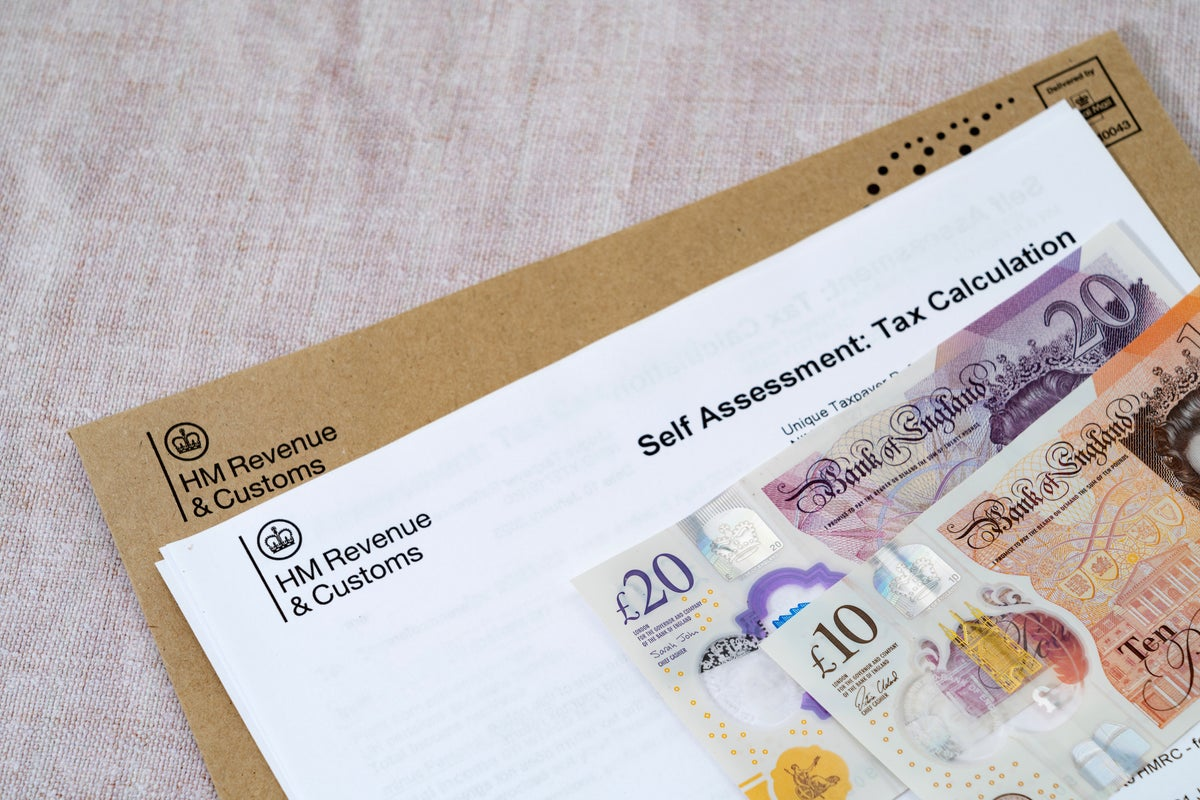
HMRC will review over 100,000 cases from the 2025-26 tax year after complaints that a technical error in place for five years could mean people have been overcharged.
It is not yet certain how many of the 107,000 total cases will need to be adjusted, but errors regarding the savings allowance and total income are reported to be at the core of the issue.
Tax rules are intended to give the best outcome automatically to the taxpayer, but the Telegraph reports that HMRC’s system appears to calculate certain allowances in the wrong order in some circumstances.
Basic-rate earners get £1,000 of interest earnings tax free, meaning for savings held in a 4 per cent interest rate account, they’d need £25,000 put away to hit the threshold. However, higher rate earners only get a £500 allowance and there is no tax-free interest allowance at all for additional rate taxpayers.
But there are also other thresholds for different income types such as dividend allowance and the Personal Allowance, where no tax is paid if someone receives under £12,570 in total income.
Rearranging which income type occupies tax-free allowances first can result in different amounts of tax being owed. While taxpayers should be billed with the lowest possible amount, the technical ordering errors are giving out higher bills instead.
“We may not be talking about huge amounts but you don’t know how much that money is worth to the person who is receiving it,” said Stefanie Tremain, of tax firm Blick Rothenberg.
“If it was the other way around, and the taxpayer owed HMRC, I don’t think they would say not to worry about it – they would want it.”
Get a free fractional share worth up to £100.
Capital at risk.
Terms and conditions apply.
ADVERTISEMENT
Get a free fractional share worth up to £100.
Capital at risk.
Terms and conditions apply.
ADVERTISEMENT
The issue was first highlighted and acknowledged by HMRC in 2021 but still persists. The authority believes the number of checks they will need to do in future tax years will fall as a result of changing tax rules and rising tax rates.
An HMRC spokesperson said: “We take extensive action to identify the minority of customers who may be affected and update their tax calculations as needed to ensure they pay the right tax. The number of calculations requiring a manual check is expected to fall to around 20,000 next year.”
Last month, it emerged that HMRC sent out 80,000 letters to cryptocurrency traders telling them they may owe capital gains tax on profits made from buying and selling Bitcoin and other digital assets.
Join our commenting forum
Join thought-provoking conversations, follow other Independent readers and see their replies