
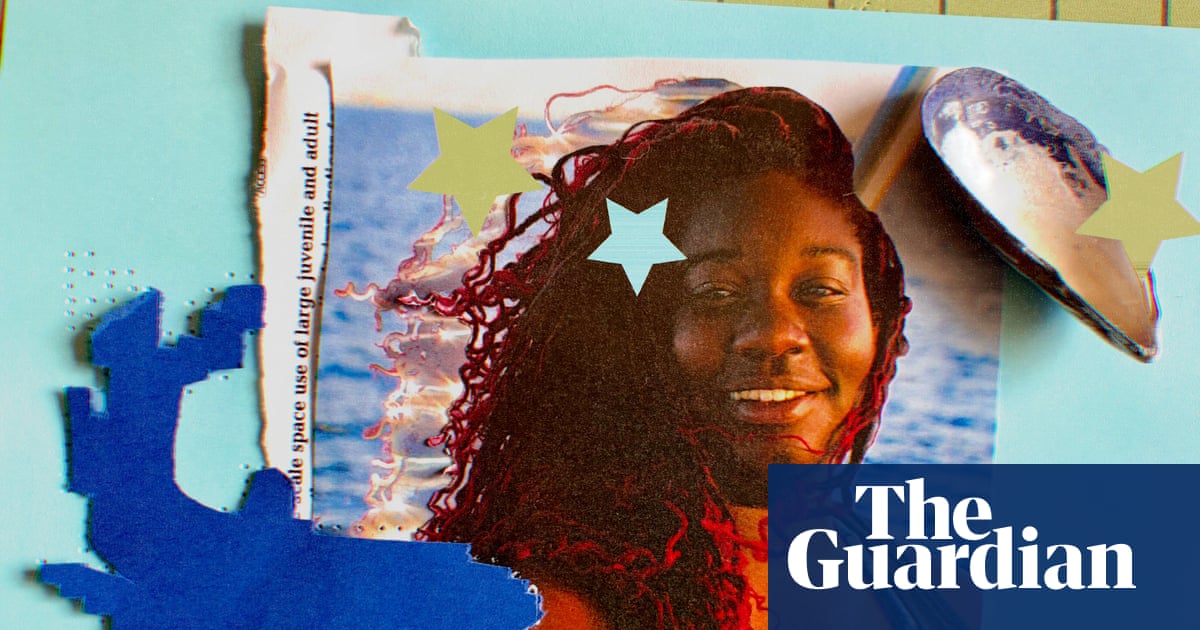
Biopsies, aerial drills and a personal pizza: a day in the life of a shark scientist
Jasmin Graham, a shark scientist and science communicator, also makes time in her day to practice her hobbies and play music bingo with friends
“Sharks are not monsters, they just need better PR,” writes Jasmin Graham. And she should know: Graham is a shark scientist and science communicator.
Here’s what a day in Graham’s life in Sarasota, Florida looks like.
Do you have a morning routine?
I usually wake up around 8am, but I woke up at 7am because I had to go to the dentist. I got a head start on some emails and took a fundraising phone call in the car.
After the dentist, I got home and did my drills. I’m an aerialist, which is basically all the things you see in Cirque du Soleil: lyra [aerial hoop], pole and silks. Breakfast was Honey Nut Cheerios.
I went to the office to meet with an artist in residence [with Graham’s nonprofit Minorities in Shark Sciences]. They’re helping build props and sets for our theater shows. One is an immersive experience about the mass extinction of sharks. It’s a combination of a whodunit and an escape room.
What did you do for lunch?
I get delivered meals because I don’t have time to cook – it was some sort of pasta thing. After that, I was working on a grant for grassroots organizations working on the environment in the south-east. I’m co-chair of the Priorities, Projects, and Campaigns committee of the America the Beautiful for All Coalition, a coalition of organizations that want to protect nature and also center justice and access. Then I worked on prepping for our shark survey next week.
What does a shark survey entail?
Surveys have different goals, with the overall mission of understanding our local shark populations and assessing their health and stability.
We are targeting bonnethead sharks, but we also get stingrays. We bring them on board and measure them. Then we take a little fin clip, which is like taking a fingernail, so we can see who’s related to who. We also take a little muscle biopsy to look at the toxin load in their body. We’re particularly interested in brevetoxin, which comes from red tide, a harmful algal bloom that we unfortunately have here in Florida a lot.
For the bonnetheads, we make a quick incision and we put a transmitter inside them and suture them up. That transmitter can track their movements for up to three years. Then we release them, and they swim off.
skip past newsletter promotion
after newsletter promotion
What did you do to unwind?
I came home and had a little personal pizza. Then I drove to Beerbusters, a Blockbusters-themed bar, for music bingo. One of my friends hosts, and it’s always fun – our prizes are just things that people want to get rid of. I ended up winning a printer and a 3D puzzle. Someone brought a fire pit. On the way home, I listened to the KPop Demon Hunters soundtrack.
What time did you get to bed?
I usually go to bed between 11pm and midnight. It’s very important for me to get eight hours of sleep. Otherwise, I become a monster of a person. I usually pet my dog and watch silly things like Kevin Langue videos in bed. I check my Google Calendar for tomorrow so that I can mentally prepare, and make sure I don’t need to wake up any earlier.
Explore more on these topics