
Advertisement
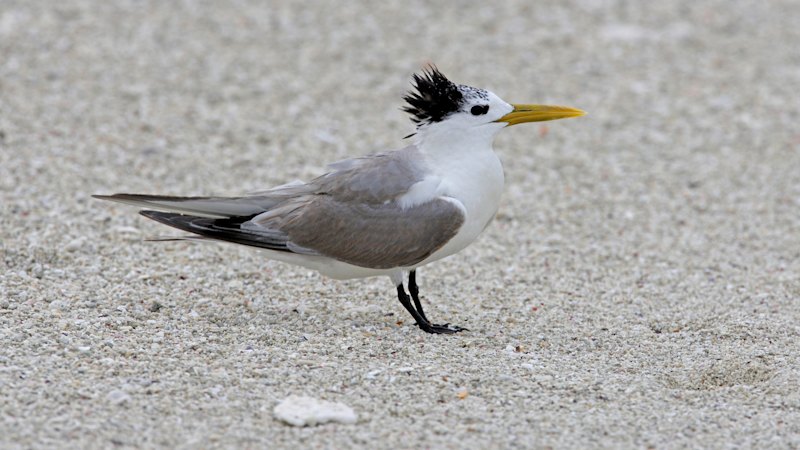
The deadly strain of bird flu that has devastated wildlife around the world has arrived in Sydney, after testing confirmed the virus in a dead greater crested tern found at Warriewood in the northern beaches last week.
There were also new detections of H5N1 bird flu in a Hutton’s shearwater in Coffs Harbour, the state’s first case in the endangered species, and a greater crested tern in Port Kembla.
More than 20 cases have been detected in NSW by the government’s latest count, while the federal government counts 468 “events” – which can include multiple cases – across Australia.
The greater crested tern was found on Friday, August 28. Testing has since confirmed it was carrying bird flu. Northern Beaches Mayor Sue Heins said she suspected it would be “the first of many”.
Advertisement
“We brace ourselves for [bird flu’s] potentially devastating impacts,” she said.
Mammals can contract the virus – and it has so far spread to seals and dolphins and a red fox in other states – but there has been no mammal-to-mammal transmission globally, and the risk to human health is considered low.
H5N1 arrived in Australia in June through seabirds blown off course from the sub-Antarctic flyway, having previously spread to every other continent on Earth, wiping out huge numbers of birds and marine mammals. In Australia, the federal government has identified more than 100 species at risk of extinction, and is rolling out a limited number of vaccines to rare and vulnerable birds via the states.
In NSW, little penguins in Manly and Barunguba Montague Island are among the wild bird species targeted for vaccination.
Advertisement
Last week, the Australian Antarctic Division announced it intended to temporarily evacuate Macquarie Island, a Southern Ocean research station operated since 1948, because of the psychological risk to staff of living amid large numbers of dying animals in the likely event of a mass mortality on the island.
On Heard and McDonald Islands, another Australian territory in the Southern Ocean, the virus has killed large numbers of king and gentoo penguins and about 13,000 of the 17,000 elephant seal pups on Heard Island since October last year.
Bird flu has not been detected in commercial poultry flocks or captive birds in Australia yet, though it has had severe consequences overseas. In the US, more than 170 million birds have been culled since 2022 and egg prices tripled by 2025. H5N1 also had a significant, although less severe, impact in Britain, where about 5 million chickens were culled and egg prices spiked by about 50 per cent.
The NSW government has urged owners of backyard chickens or pet birds to keep them separate from wild birds and keep their food and water undercover.
Advertisement
NSW Agriculture Minister Tara Moriarty said there had been no mass mortality or poultry bird events.
“Our focus is on preparedness, surveillance and responding to events quickly,” she said in a statement. “Now is the time for everyone who has backyard chickens or pet birds in aviaries to take precautionary steps to ensure there are no interactions between their chooks and pets with wild birds.”
Moriarty also recommended using caution when walking on beaches or parks, ensuring they don’t eat carcasses or chase wild birds: “There is low risk of exposure but it’s important to minimise any risk for your pets.”
NSW Health Minister Ryan Park urged Sydneysiders to call authorities if they saw a sick or injured bird.
Advertisement
“We need to deal with that bird as quickly and as efficiently as possible,” he said in a press conference. “The message is very clear to the community, especially right now, is that if you see one of these birds, please don’t go and touch it.”
Emergency Animal Disease Hotline on 1800 675 888.
Get to the heart of what’s happening with climate change and the environment. Sign up for our fortnightly Environment newsletter.
You have reached your maximum number of saved items.
Remove items from your saved list to add more.
More:
Caitlin Fitzsimmons is the environment and climate reporter for The Sydney Morning Herald. She was previously the social affairs reporter and the Money editor.Connect via email.Rachel Rasker is the health reporter at The Sydney Morning Herald.Connect via email.Emily Kaine is a national news blogger at The Sydney Morning Herald.Connect via email.AdvertisementAdvertisement