
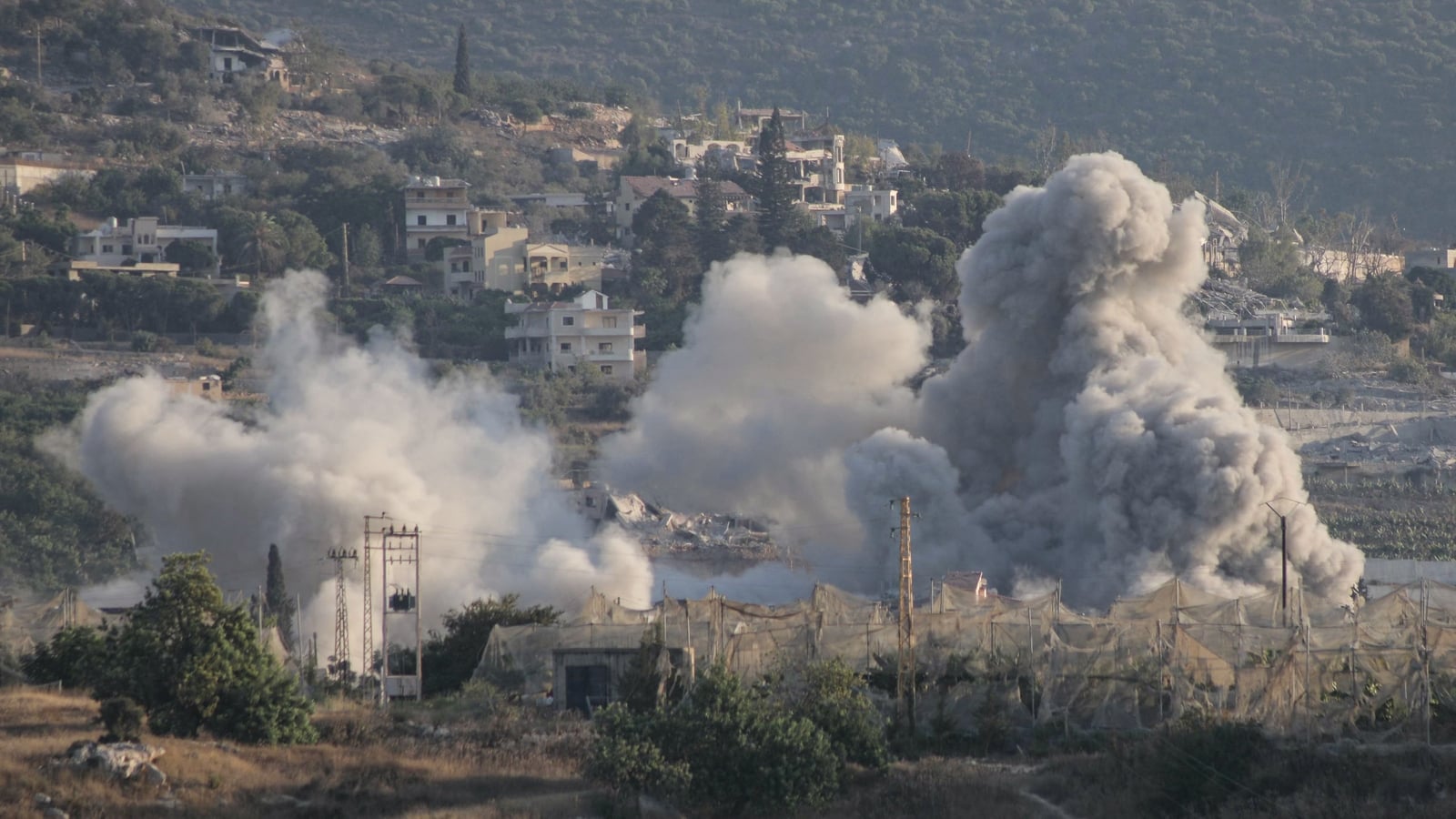
Israel’s military has cleared Hezbollah fighters holed up in tunnels under the strategic Ali al-Taher ridge in southern Lebanon, Israeli Defence Minister Israel Katz has said, though the Iran-backed group did not immediately comment.
Israel had said Hezbollah fighters were embedded in tunnels under the ridge, which overlooks a wide area and had become one of the most hotly contested areas in the Israel-Hezbollah war, despite a ceasefire announced in June.
Reuters reported yesterday that Iran had warned the United States last month that it would respond forcefully to an Israeli assault on its Hezbollah allies’ positions within the ridge.
“The mission was completed and the tunnels were cleared of terrorists,” Mr Katz said on social media, after a statement by the military last night saying it had operational control of the ridge.
The military said some Hezbollah fighters had been “eliminated”, while others had fled.
Hezbollah did not immediately respond to a request for comment and Reuters was not able to independently verify the status of the ridge.
The Shi’ite Muslim group is believed to have built an underground command centre and weapons stores within the ridge and had said it would resist any Israeli assault.
Israel releases five Lebanese detainees
Israel has expanded its military presence across swathes of southern Lebanon since launching a new campaign against Hezbollah in March.
Today, Israeli authorities transferred four people who had been detained in Israel to Lebanese authorities via the International Committee of the Red Cross.
One Lebanese man had been released earlier yesterday. The release of the detainees is part of confidence-building measures agreed in US-brokered talks between Lebanon and Israel.
Israel said yesterday that none of the five had been found to have ties to militant groups.
A Lebanese committee advocating for Lebanese in Israeli custody says Israel has detained dozens of people inside Lebanon over the last six months. Some have been released after days or weeks, others remain in Israeli custody.
The ICRC said it had no access to anyone in Israeli detention since October 2023.
“Many families in Lebanon are still waiting for answers about the fate of loved ones who may be detained, deceased or otherwise unaccounted for,” it said.
Lebanese President Joseph Aoun said that those freed this week were among a “first batch”, suggesting more could be coming.
Israeli Prime Minister Benjamin Netanyahu said Lebanon would also transfer the remains of Jewish figures killed in Lebanon in the 1980s to Israel, although there were no details of names or any timeframe.