
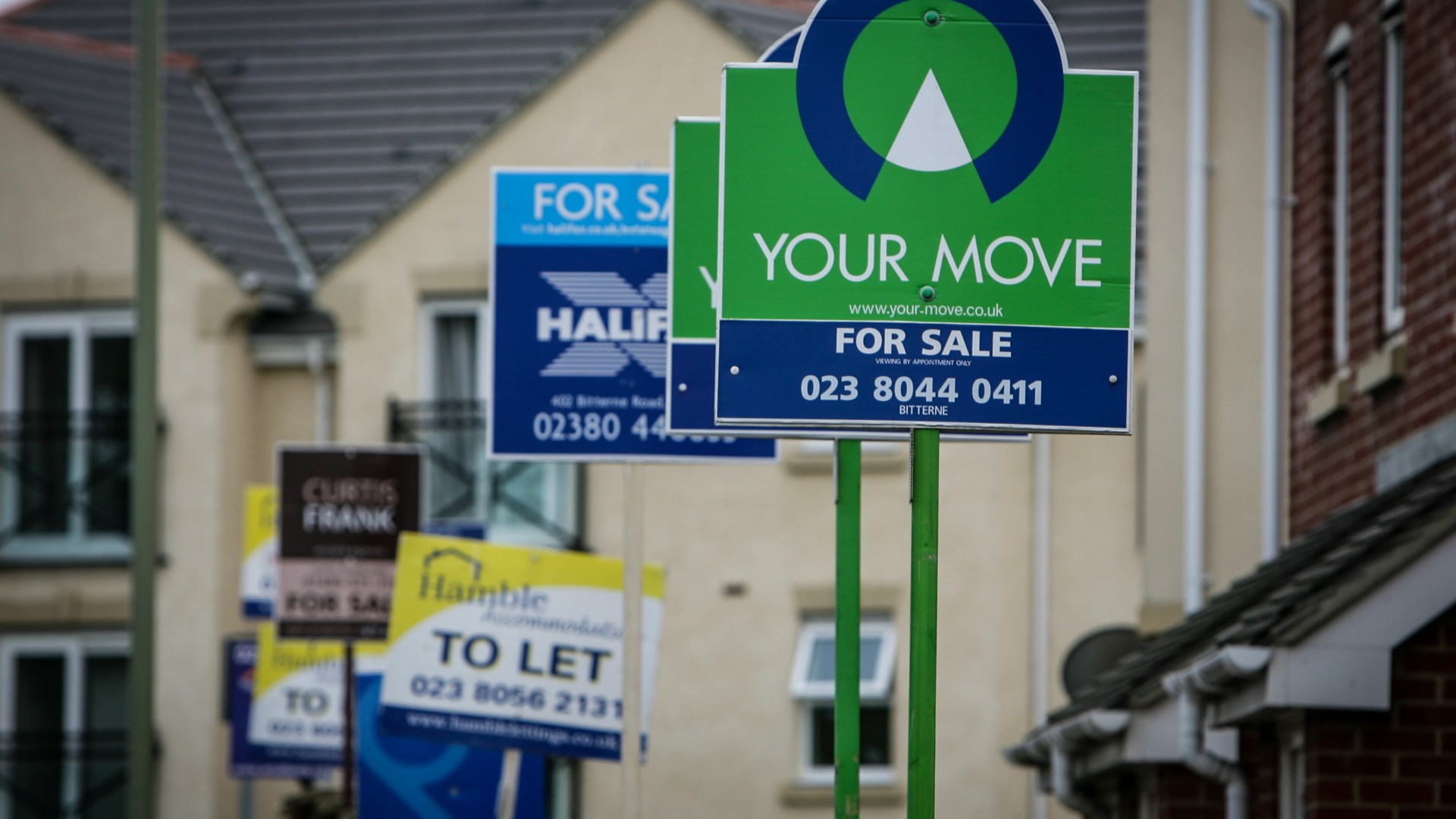
The cost of renting a home has started to speed up after a three-year slowdown, new data shows – and renters have been warned to expect more pain.
Average rental costs rose by 2.6% in July compared to the same time a year earlier, according to data from property website Zoopla.
And the property site warned that annual rent rises among privately-rented homes are expected to have risen by 4% or 5% year-on-year by the end of 2026.
Zoopla explained this is because there are fewer homes available to rent, with potential first-time buyers also put off buying a home instead of renting because of high mortgage rates.
That has made competition for rent more fierce in some areas.
Zoopla found there are around 3% fewer homes available on the market to rent than one year ago, with each listing receiving an average of five enquiries. Demand is particularly high in London.
more on money
LOCKED OUT
Renters face 35-year wait to buy a house as sky-high rent stops them saving
BRIGHT IDEA
5 energy bill ‘danger zones’ in your house to check NOW and save £1,775
“Higher mortgage rates are not just impacting the sales market, they are keeping more would-be first-time buyers in rented homes for longer – reducing available supply just as the seasonal upturn in demand gets into full swing,” said Richard Donnell, executive director at Zoopla.
“This is pushing rents higher again, mainly in regions where the availability of homes for rent has declined the most, although affordability remains an important constraint on how far rents can rise.
“Low levels of new investment by landlords and renters renting for longer mean we expect UK rents to increase by 4% to 5% by the end of the year.”
He said that growing the number of homes available to rent through increased investment is “the most sustainable route” to boosting choice for renters and ensuring stable rent levels.
Most read in Money
RAISE A GLASS
Supermarkets slash price of RARE Baileys drink as it returns for Christmas
FEELING FESTIVE
Best Xmas presents of 2026 revealed in top awards – including £10 B&M find
WINE NOT?
I tested mini bottles of wine – top plonk is full-bodied and cheaper than pub
SUN SAVERS
Five simple ways to use your stitching skills to save you cash around the home
It comes after the Renters’ Rights Act came into force in May this year, giving renters more powers and ensuring landlords have to follow stricter rules.
While the Act was aimed at helping renters, landlords argued that it has made letting out a property less attractive and many sold their investment properties before the new rules came in.
Experts warned that renters would therefore feel the impact through higher rental prices as there would be less homes available to privately rent, while those who stayed in the market would hike prices.
Under the new rules, landlords can also only increase rent once per year, and not for the first 12 months of a new tenancy.
That means many tenants who locked into new tenancy agreements last year may have felt the impact of their first price increases over the past couple of months.
How to fight rent increases
You may be able to challenge a rent increase that is above the market rent for the property or area.
Start by speaking to your landlord and trying to negotiate a cheaper rate before taking further action.
Your landlord has to give you a section 13 notice if they want to increase your rent. You can challenge it if you don’t think the notice is valid or if it seems unreasonable.
Your notice may not be valid if your landlord hasn’t given you enough notice, for example. You must get at least one months’ notice.
A mistake on the notice can also invalidate it, such as typo in your name or address.
Speak to Citizens Advice if you aren’t sure whether your notice is valid.
It costs £47 to ask a tribunal to formally decide if a rent increase is unreasonable. You’ll have to pay this when you apply to challenge your rent increase.
RECOMMENDED STORIES
You’ll need to get evidence together to show why you think your rent increase is unfair, such as evidence of similar properties in the area.
You can’t be evicted for challenging a rent increase under the Renters’ Rights Act, so if your landlord attempts to evict you in response, you can fight this.