
Article content
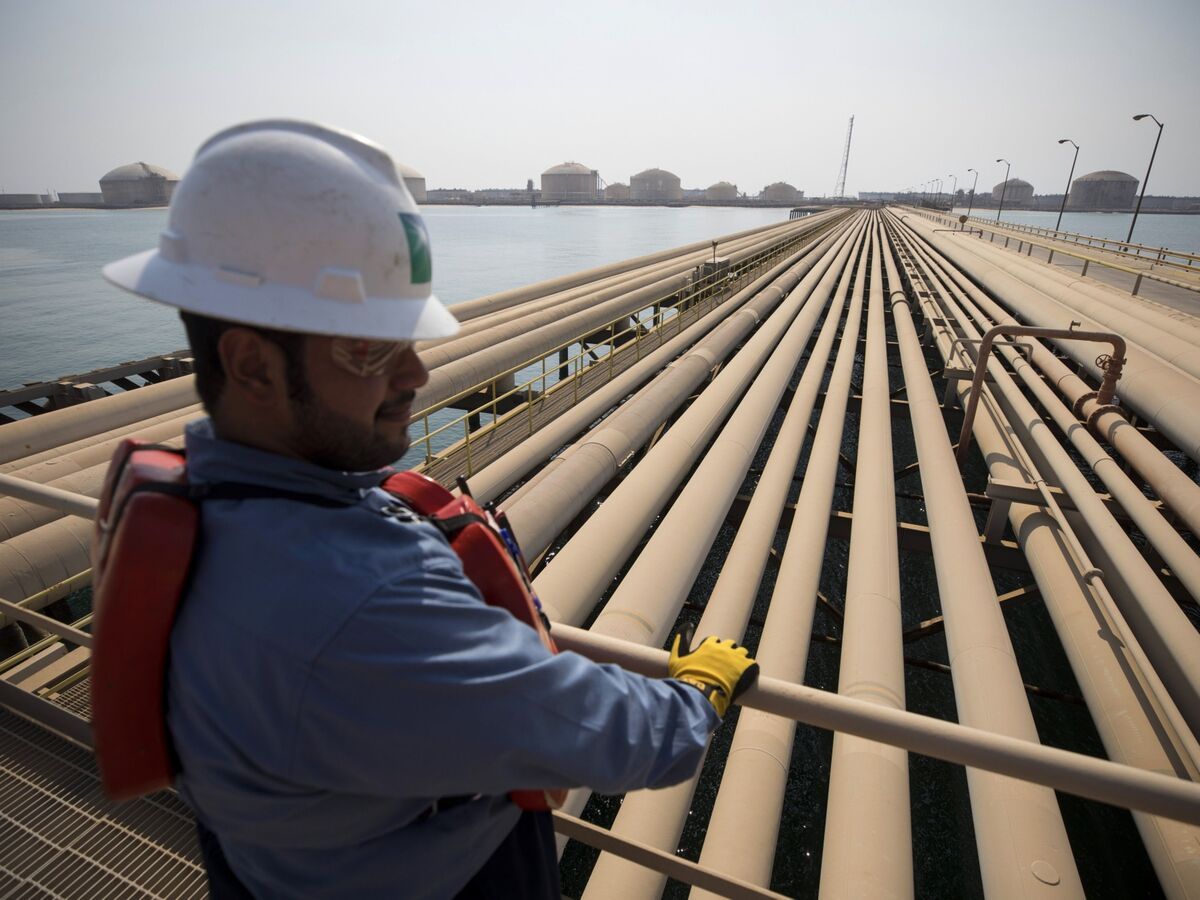
Oil surged on a report that Saudi Arabia may take weeks to reopen a pipeline that’s been key to bypassing the Strait of Hormuz during the U.S.-Iran war.
Sign In or Create an Account
or View more offersArticle content
Brent rose about five per cent toward US$110 a barrel, before paring gains slightly. The kingdom’s East-West pipeline, which was halted after it was struck by militants, will be out of service for several weeks, the Associated Press reported, citing two regional officials. Saudi energy ministry officials didn’t immediately respond to a request for comment. Saudi Aramco didn’t respond to earlier inquiries about how long the disruption would last.
Article contentWe apologize, but this video has failed to load.Try refreshing your browser, or
tap here to see other videos from our team.We apologize, but this video has failed to load.Try refreshing your browser, or
tap here to see other videos from our team.Article content
Story continues below
This advertisement has not loaded yet, but your article continues below.
Article content
U.S. Energy Secretary Chris Wright, meanwhile, said on Monday he expects the Saudi pipeline to be up and running “very soon.”
Article content
The halt of the pipeline, which has the capacity to ship about 7 million barrels a day to the kingdom’s Yanbu hub on the Red Sea, knocks out Saudi Arabia’s most important workaround since the Iran war choked off exports from the Persian Gulf. The market impact will depend on how much oil can be drawn from storage at Yanbu, how long it will take to get crude flowing again and how much can be rerouted by sneaking barrels through the Strait of Hormuz.
Article content
“It all boils down to the duration,” said June Goh, senior oil market analyst at Sparta Commodities SA. If flows resume quickly, the impact should be limited as inventories at Yanbu, the pipeline’s western end, could be tapped, she said. But a prolonged shutdown could force output cuts, she added.
Article contentArticle content
Oil prices were already rallying before the attack. The global benchmark moved back above US$100 for the first time since July last week, as sliding inventories and rising Chinese buying tightened the market. Brent crude is up more than 75 per cent this year.
Article content
Story continues below
This advertisement has not loaded yet, but your article continues below.
Article content
The crisis is delivering an inflationary jolt to the global economy as the cost of natural gas and fuels also surge. After U.S. data showed the pace of consumer price gains marched higher in August, the United States Federal Reserve is widely expected to raise rates this week.
Article contentRead More
- Alberta’s energy ambitions set to collide with efforts to save its disappearing caribou population
- British man admits inventing fake takeover bid for Canadian oil explorer
- Story continues belowThis advertisement has not loaded yet, but your article continues below.
Article content
The market for oil products has been especially strained. Diesel futures are trading at around US$200 a barrel, as fuel supplies have been disrupted in both the Middle East and Russia, where Ukrainian strikes have hindered refining capacity. Over the weekend, U.S. President Donald Trump said he’d warned Ukrainian President Volodymyr Zelenskyy to stop targeting Russian refineries, after the strikes curtailed diesel production and helped drive prices for the fuel to record levels.
Article content
Refiners are now paying enormous premiums to secure crude as the cost of selling fuels is soaring. They’re willing to pay record amounts for ships to carry those barrels across the world, with vessel availability also incredibly scarce.
Article content
Meantime, tensions over the vital Strait of Hormuz remain high, as diplomacy appears far from yielding a solution. A meeting between Iran and several Gulf Arab nations over a temporary shipping lane through the waterway was postponed, highlighting tensions with the Islamic Republic following the recent flare-up in fighting.