
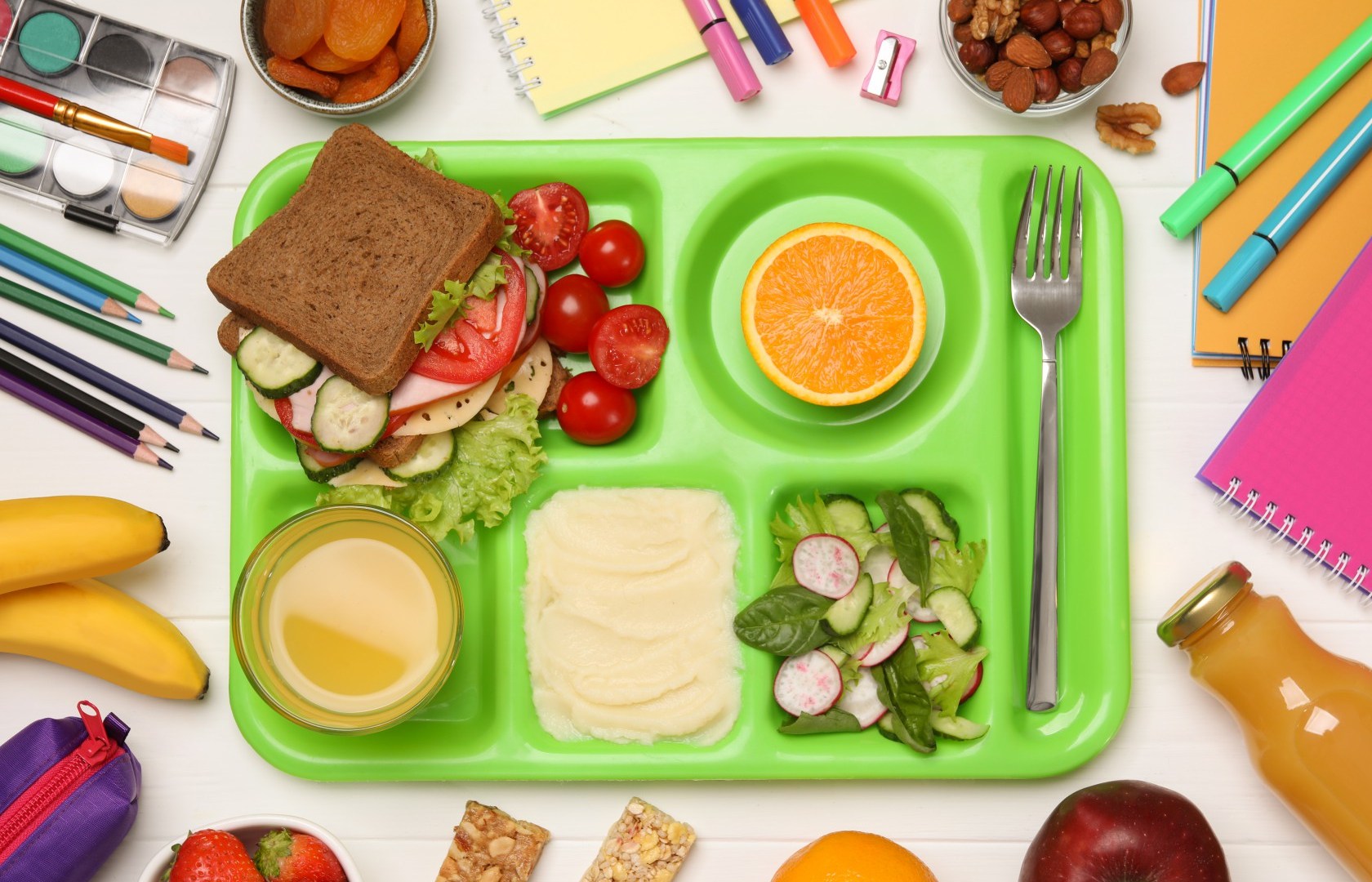
FISH and chips, Coco Pops and fried eggs are set to be banned from schools – with lentils and chickpeas made compulsory instead.
Under a fresh Labour crackdown, schoolchildren will be made to eat pulses once a week and ice cream will be limited.
The new standards will forbid any deep-frying, banning baked chips, as well as pastries, white bread and high sugar cereals.
The rules are set to be announced today by the Department for Education (DfE), reports The Telegraph.
Sugary desserts like cake must contain a portion of fruit – for example an apple crumble served with blueberries – and can only be dished out in primary schools once a week and twice in secondary schools.
Processed meat products, including chicken nuggets, sausages and ham, will only be plated once a week and must be served with a portion of fruit or vegetables.
Old standards permitted all bread, but now bread must be 50/50, and all pasta 50% wholewheat – and chocolate spread is not permitted.
Example menus provided by the DfE suggest schools serve chicken and lentil curry with rice, peas and naan bread on a weekly “pulse day”.
The DfE intends to monitor schools’ adherence to the new standards as the institutions will be expected to publish their menus and food policies online.
Lucy Powell, the Education Secretary, said: “These are once-in-a-generation changes that will transform school food for children across the country.
Most read in The Sun
MIRACLE RESCUE
US pilot shot down in Iran describes ‘free falling at 100mph’ to ground
MEGA MONEY
US Powerball jackpot reaches £128million —I found a hack to play 10 lines for £1
‘GROUND ZERO’
Village to vote on LEAVING the UK amid fury over plan to move in 3k migrants
“From our historic expansion of free school meals to the rollout of free breakfast clubs and new school food standards, we are making sure that every child has access to the healthy meals we know children need to learn, grow and succeed.
“No child should spend the school day hungry, and no family should have to struggle to put food on the table. This is what change looks like: healthier food, fuller stomachs and a fairer start for every child.”
The changes to the food standards comes two weeks after all students from families on universal credit – over three million children – became eligible for free school meals.
However, unions warned that schools would need extra funding to comply with the new standards.
Paul Whiteman, the general secretary of the National Association of Head Teachers, said: “If the Government is serious about them working in practice it must provide significant additional funding to reflect the real costs of school meals, which these new requirements are likely to increase.
“Many schools already have to raid stretched core budgets for staffing and the curriculum to subsidise the costs.”