
The Trump administration’s outsized efforts to shape markets on multiple fronts was on display on Monday, with the US president wading into debates on oil prices and AI, in apparent efforts to stem losses.
Oil prices spiked as Yemen’s Iran-aligned Houthi militia struck oil targets in Saudi Arabia and seized areas bordering the narrow stretch of the Red Sea, adding to its potential to disrupt shipping into the Suez Canal.
Oil prices surged on world markets, with Brent crude up 3pc to $108 (€93) a barrel. European natural gas shot up 5pc to €84/MWh, the highest level since 2022.
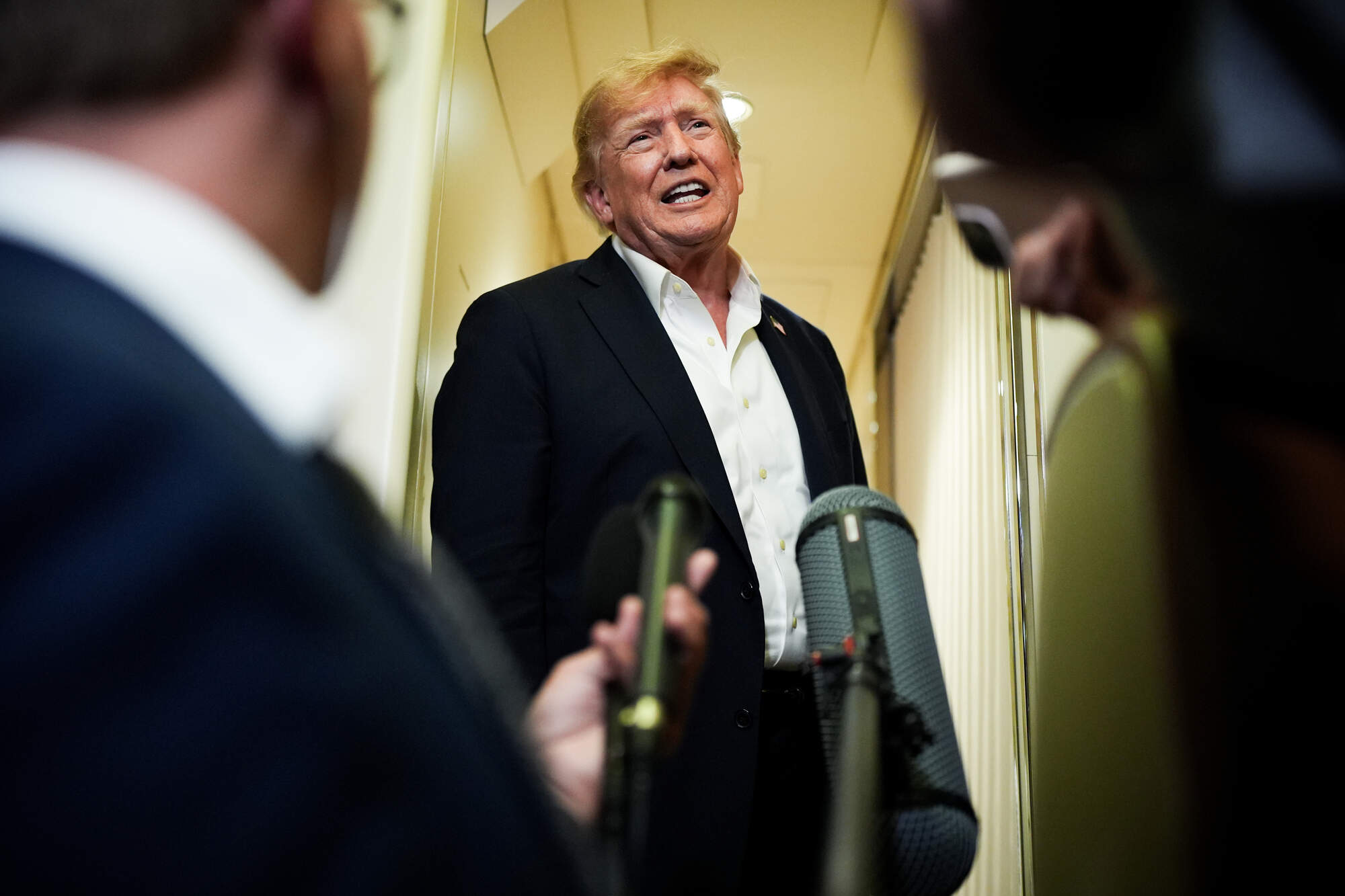
US president Donald Trump blamed Ukrainian attacks on Russian oil and gas infrastructure for the latest hikes, calling on the two countries not to target each others’ energy facilities.
Regardless of the reason for the latest spike, the swings on energy markets pushed shares down through Monday, with most names on the Euronext Dublin down and the Iseq index declining 1.48pc.
The pan-European STOXX 600 was down 0.5pc at 635.99 points. Most markets declined, though London’s natural resources-heavy markets and Zurich’s indexes rose 0.4pc and 0.8pc, respectively. Swiss assets are typically seen as havens when investors are fearful.
While oil was a big factor in weaker markets, that mood was exacerbated by a sell-off in AI related names.
Anthropic CEO Dario Amodei called on Saturday for companies to slow advances in AI model capabilities amid growing fears within the sector that the technology risks running out of the control of its creators.
That view has since been supported by a growing chorus of AI insiders including Elon Musk, OpenAI CEO Sam Altman and Microsoft’s Satya Nadella.
However, Mr Trump warned via a social media post that US firms should seek to extend their lead in the technology.
“The only control or ‘guardrails’ that AI needs is a STRONG AND SMART (High IQ!) PRESIDENT, and the U.S.A. has that, in spades!” Mr Trump posted.
“We are leading China, and all others, and will continue to do so. Conspiracy Theorists, Treasonists, Traitors, and Leakers, BEWARE!”
Meanwhile, on the bond markets renewed expectations of higher inflation triggered by oil prices continued to push borrowing costs higher. Irish government bond yields hit a fresh post-bailout high — a now near-daily occurrence — on Monday of 3.67pc.
The yield on German 10-year bonds reached its highest since 2009 and the yield on 10-year US treasuries passed the 5pc level.