
Article content
British Columbia’s contentious experiment decriminalizing fentanyl, cocaine and other hard drugs was hailed by provincial health leaders as a “vital” means of keeping people from dying from drug overdoses.
Sign In or Create an Account
or View more offersArticle content
It appears it didn’t. New research found no significant changes in drug-related hospitalizations or toxic drug deaths compared with the rest of Canada, where the drug laws hadn’t changed.
Article contentArticle content
Story continues below
This advertisement has not loaded yet, but your article continues below.
Article content
“I think there’s a real risk of over-promising simple solutions” to the opioid crisis, said the study’s senior author, Dr. Daniel Myran, in an interview.
Article contentArticle content
Although drug poisoning deaths dropped slightly in B.C. after decriminalization, the changes didn’t differ relative to other provinces, according to the study published in this week’s issue of the Canadian Medical Association Journal.
Article content
Overdose deaths fell by 19 per cent in B.C. but were down 25 per cent in Ontario over the same period.
Article content
“There is no effect that you’re seeing in B.C. that is not occurring in Ontario,” said Myran, who is the Gordon F. Cheesbrough Research Chair at North York General Hospital and associate professor and scientist at the University of Toronto’s department of family medicine.
Article content
“I do think that the premise of ‘we’re going to see these very large health benefits related to acute overdoses’ has not been borne out by the data we’re presenting here.”
Article content
Under a pilot project that launched Jan. 31, 2023, B.C. allowed adults to possess up to 2.5 grams of heroin, fentanyl, crack or powder cocaine, methamphetamine and MDMA (ecstasy) for their personal use.
Article content
Story continues below
This advertisement has not loaded yet, but your article continues below.
Article content
People found carrying drugs below the 2.5-gram threshold were no longer to be arrested, charged or have their drugs seized. Instead, police were directed to offer information on social supports and help with referrals to treatment, if requested.
Article contentRead More
- NP View: Common sense comes to B.C. as decriminalization experiment ends
- Michael Higgins: Too many died for B.C.’s disastrous drug decriminalization experiment
- Story continues belowThis advertisement has not loaded yet, but your article continues below.
Article content
The province was granted a time limited, three-year exemption from the federal government’s Controlled Drugs and Substances Act.
Article content
The intent was to reduce risky behaviours, such as using alone, or using in unsafe locations, and end the “shame and stigma” that can keep people with drug addictions from reaching out for life-saving help, BC’s ministry of health said in a news release at the time.
Article content
B.C.’s provincial health officer, Dr. Bonnie Henry, called the exemption “a vital step to keeping people alive and help connect them with the health and social support they need.”
Article content
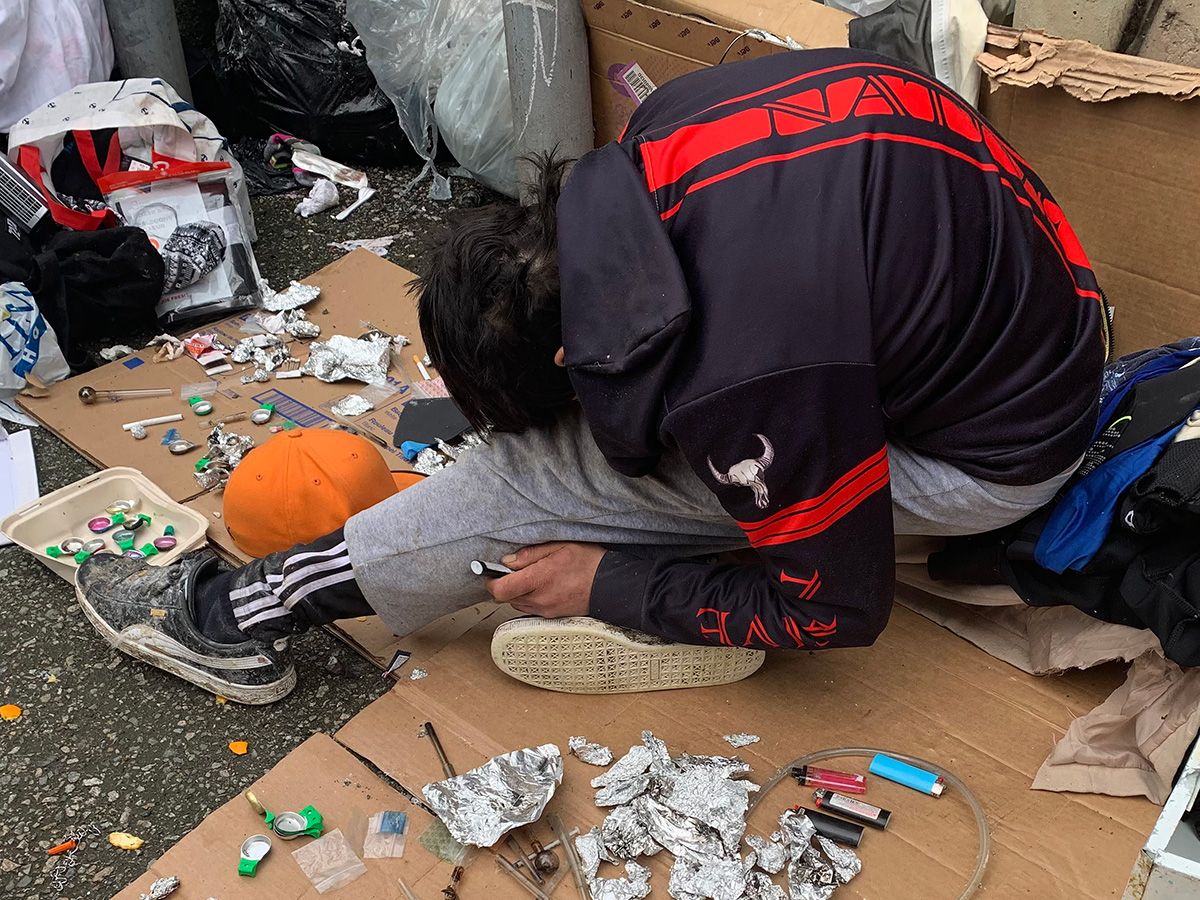
Local communities, however, soon began raising the alarm over growing public disorder and open drug use in parks, playgrounds and other public spaces.
Article content
Midway through, the policy was partly rolled back: In May 2024, possession of any amount of drugs in all public places, including hospitals, on transit and in parks, was re-criminalized, though possession below the 2.5 gram threshold remained legal for adults in certain designated spaces, including private homes and overdose prevention sites.