
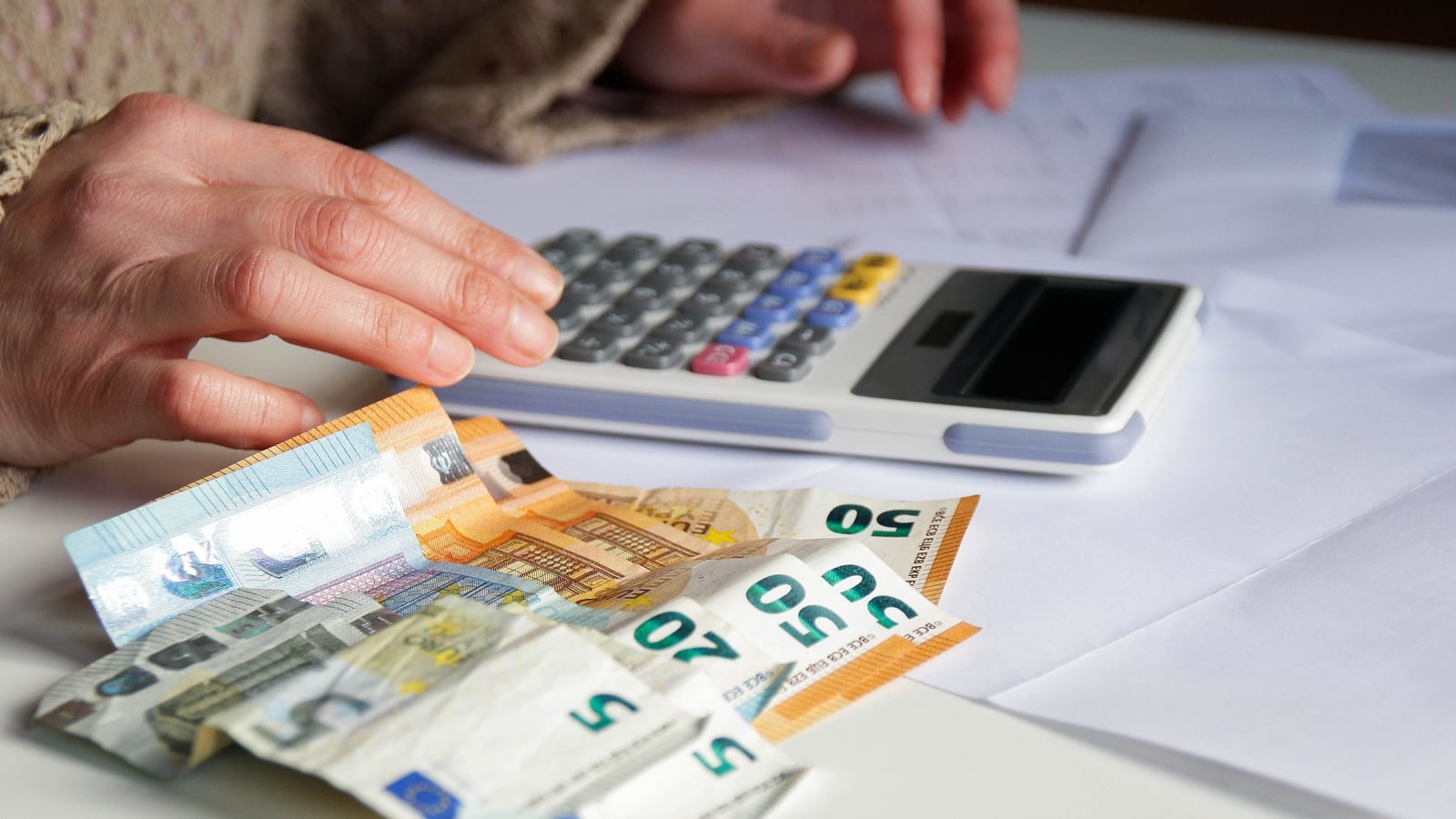
The sustained rise in the cost of living has been putting pressure on households for years at this stage, but this week in particular has been a hard one for consumers to stomach.
Oil prices have shot up, which will inevitably precipitate another hike in diesel and petrol for motorists, energy providers have increased electricity and gas prices ahead of winter and interest rates for mortgage holders are on the way up again.
This is all happening weeks out from the Budget ahead of which the potential for supports on the energy front are very much in focus, as well as being the subject of much lobbying – and even more speculation.
Ahead of what may or may not happen in October’s Budget, let’s assess the fresh cost spikes consumers have been hit by.
Diesel, petrol, and home-heating oil
Oil prices spiked again this week, eclipsing the symbolic $100 (€86) a barrel level for the first time in six weeks.
The situation is going to make the cost of living situation even more acute.
To put this increase in context, before the US strikes on Iran at the end of February a barrel of brent crude oil – the benchmark – was trading around the $70 (€60) mark.
It shot up and hit a high of around $115 (€99) in May.
The price had fallen back a bit recently, but now there are concerns again about oil getting out of the region.
Pre-war roughly 20 million barrels of oil per day were travelling through the Strait of Hormuz – a fifth of global supply.
At one stage, virtually no oil was making it out, though supply recovered somewhat to around 10 million barrels a day.
But in the last few days it’s back down to only around two million barrels, with the most obvious impact of this on motorists.
After a bit of stability, in the last month fuel prices have crept back up.
On a lot of forecourts diesel is comfortably costing more than €2 per litre and petrol is not far behind.
At the start of March both fuels were hovering around the €1.70 per litre mark.
Once these latest oil spikes feed through to pumps, prices will jump again.
And it is worth noting, with the current prices – diesel at around €2.05 a litre and petrol at around €1.96 a litre – if the excise cuts on diesel and petrol were not still there, the price would not be far off €2.40 a litre for diesel and close to €2.25 a litre for petrol.
These would be levels well above what caused protesters to block the country’s fuel depots and ports back in April and like nothing most motorists have experienced in living memory.
This spike will also be a worry for those using home-heating oil.
It has been a warm summer, but it is getting cooler.
Boilers will be switched on again soon – if they have not already been.
In the last week, the cost of 1,000 litres of home-heating oil has risen by roughly €100 to over €1,530.
Compare this to just seven months ago – the end of February – when the same 1,000 litres of home-heating oil cost around €960.
Electricity and gas
Amid the instability on global energy markets in the past few years – driven mostly by wars in Ukraine and the Middle East – twice yearly price increases from providers have started to become the norm.
Usually happening first in the spring, with a further raft kicking in just as the boilers begin to be switched on in October.
At this stage most of the major players have made their moves, and this week it was the turn of Bord Gáis Energy and Energia.
A typical gas customer’s bill will also increase by 9.3% or €140 a year.
Then on Friday, Energia – which has around 290,000 customers – blamed “ongoing global volatility” in wholesale energy markets as it announced an average hike of 4.73%, or around €87 a year, for electricity customers from 12 October.
Bills for gas customers will rise by an average of 9.38%, adding roughly €143 annually.
The seemingly never-ending conflict in the Middle East is driving a lot of this.
Wholesale gas prices have doubled compared to this time last year and European gas prices have surged to levels last recorded at the end of 2022.
Meanwhile, wholesale electricity costs for the past six months are up by around 30% on the preceding six months.
Between the Bord Gáis and Energia increases alone, around a million households will see their energy costs rise ahead of winter.
Those same customers – along with all electricity customers in the country – are also facing a €41.25 annual rise in what they pay for network charges from next month.
Interest rates
As expected, on Thursday the European Central Bank raised interest rates for the second time this year, in a bid to slow down inflation triggered by the Iran war.
The ECB increased its main borrowing rate from 2.4% to 2.65% – a move that immediately affects tracker mortgage customers whose repayments will rise by €13 per month for every €100,000 borrowed.
It could take a little longer to feed through to those on fixed rates, but it will definitely put upward pressure on other mortgage rates over time.
But there is a glimmer of light as the ECB also increased the rate for deposits – marginally – by a quarter of a percentage point.
So, savers who shop around may be able to benefit from higher returns as some financial institutions are likely to pass on the increase in the short to medium term.
More food price hikes on the way
Many of these cost increases on their own – particularly around energy – are getting ever harder for consumers to absorb, but there is an increasing likelihood they will bleed into other areas.
For example, it is expected that towards the end of this year consumers will start to experience another wave of food price inflation.
This time last year, many staples such as beef and dairy saw double digit percentage increases, but most food items saw hikes to some degree.
ECB Chief Economist Philip Lane told RTÉ News last month that food inflation is going to be one of the main drivers of overall inflation into next year.
Significant changes in weather patterns this year have impacted food production, which will have to factor into prices at checkouts at some point.
While these higher fuel and energy costs can only be absorbed for so long across supply chains, Mr Lane said firms are “assessing if they can pass through price increases or are asking if they have to absorb it through lower profitability as well as considering scaling back activity levels”.
Inevitably it will get to the point where the spiking cost of doing business will be passed on to the consumer to some extent.
The ECB chief economist thinks “this is something that in summer 2027 will be most visible”.