
Article content
Everything from cereal to bread, milk to beer, and even treats like candy, chocolate bars and chips now have protein-infused versions.
Sign In or Create an Account
or View more offersArticle content
The protein obsession has been trending for a while and shows no signs of abating as the food industry seemingly finds a never-ending list of foods it can inject with extra protein. But how much protein do we actually need? And is there another food we should be reaching for instead?
Article content
Recommended Videos
We apologize, but this video has failed to load.Try refreshing your browser, or
tap here to see other videos from our team.We apologize, but this video has failed to load.Try refreshing your browser, or
tap here to see other videos from our team.Article content
Story continues below
This advertisement has not loaded yet, but your article continues below.
Article content
Fibre has emerged as an early favourite for the next big food trend. But unlike protein, experts say there is truth to the average person needing more of it.
Article content
The protein preoccupation
Article content
Samantha King, a professor in the School of Kinesiology and Health Studies at Queen’s University and co-author of the book “Protein: The Making of a Nutritional Superstar,” first noticed the emphasis on consuming more protein at her local gym a decade ago.
Article content
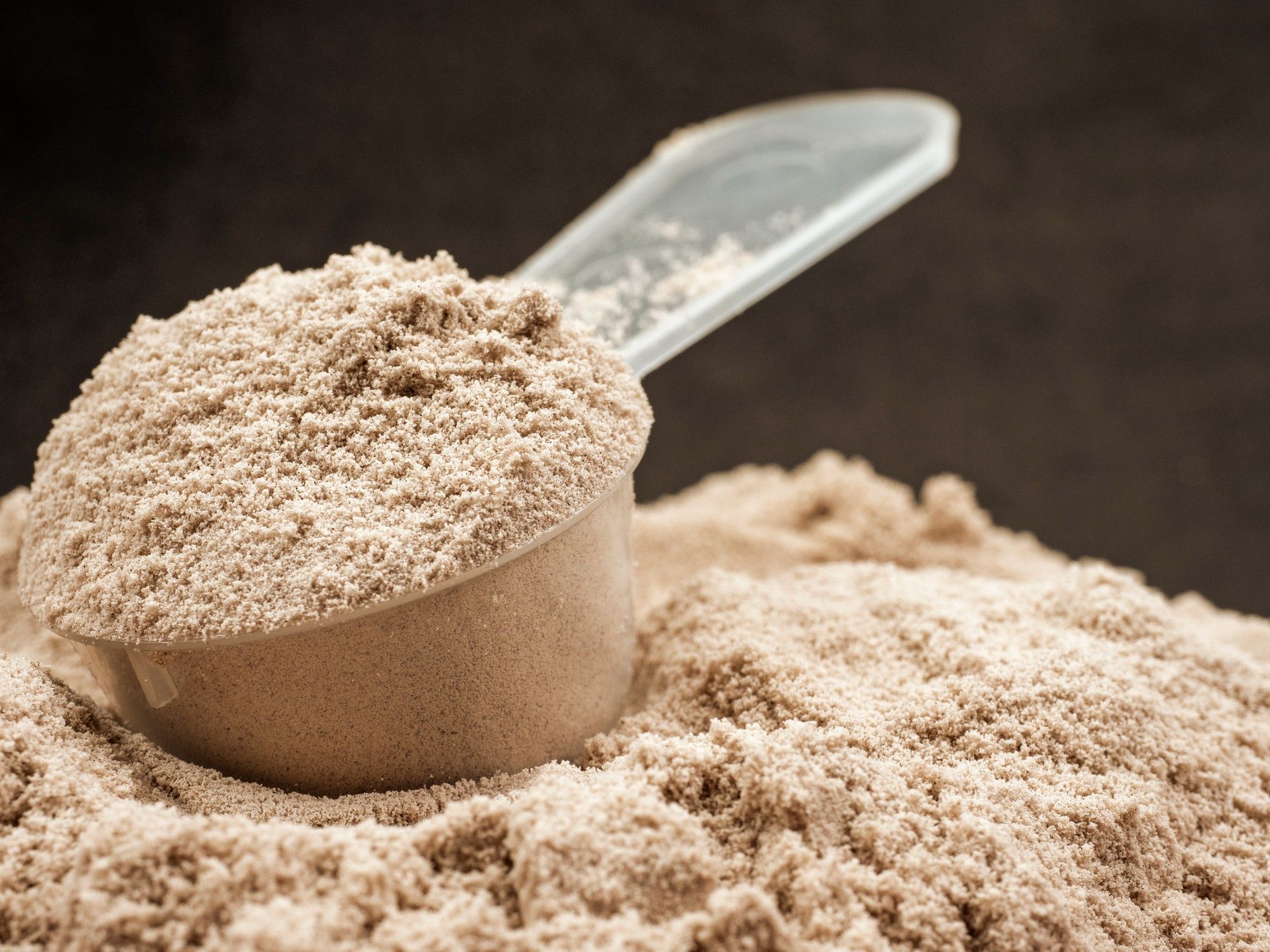
“I just thought that was really strange, given that we are all fairly privileged, well-fed, clean-eating fitness practitioners, and people were talking about picking up these huge plastic tubs of powdered whey and adding them to the food,” she said.
Article content
It inspired King and her research partner, Gavin Weedon, to look into its rise.
Article content
“We kept thinking over the last 10 years that the fad would soon diminish, and it hasn’t,” King said. “It’s just kept growing.”
Article content
Protein is a macronutrient needed for building muscle, repairing cells and supporting immune and metabolic functions. Toronto-based registered dietitian Melissa Koch said if you think of our bodies as houses, then protein acts like the bricks.
Article content
Story continues below
This advertisement has not loaded yet, but your article continues below.
Article content
“Eating the protein adds bricks to our house to maintain and repair it if there’s any damage,” said Koch, who owns Bloom Nutrition Services. “We need to get enough bricks daily to keep our house strong and keep it in a good state without having to repair it.”
Article contentRead More
- Why proteinmaxxing by adults could mean higher prices for baby formula
- Can’t find cottage cheese? ‘Protein-maxxing’ and social media stardom may be to blame
- Story continues belowThis advertisement has not loaded yet, but your article continues below.
Article content
But between the rise of diet and fitness culture, online trends and a savvy food industry, consuming more protein has become associated with a healthy lifestyle, even if that’s not what the science says.
Article content
“You buy your high-protein bag of Doritos, and that suddenly somehow will magically translate into a more toned or strong body. But you have to have resistance training to build muscle,” King said. “That’s an example, I think, of how people are probably thinking about it. ‘Oh, high protein equals good.’”
Article content
The protein preoccupation dates as far back as the mid-19th century. It has waxed and waned as other nutrients — like carbohydrates in the 1980s and ‘90s — took centre stage, but the protein fad has endured. One reason is an economic one.
Article content
King details in her book that during the post-Second World War era, milk consumption declined, so the dairy industry pivoted to producing cheese. That led to surplus whey, a byproduct of the manufacturing process. One solution was to make it palatable, digestible and scalable for mass consumption.