
Article content
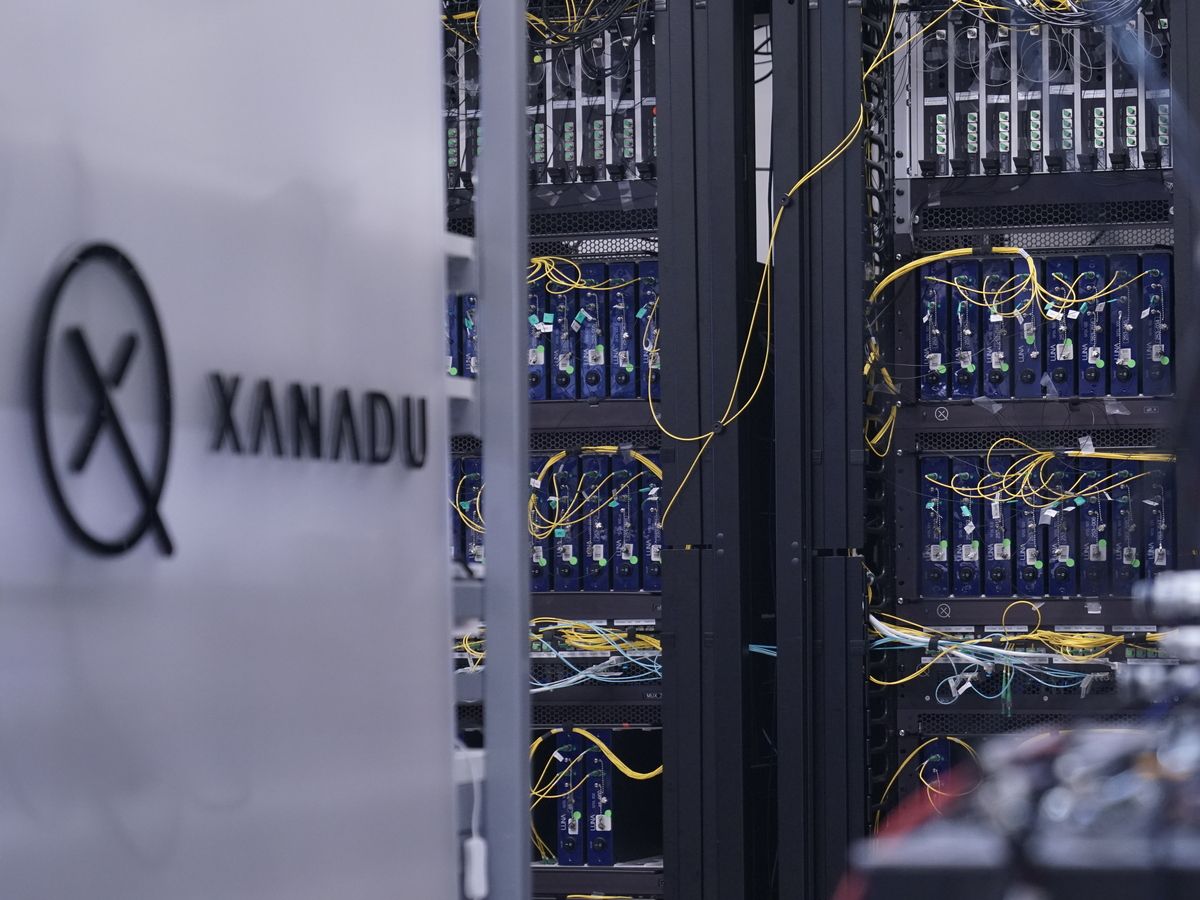
Last month, Xanadu announced plans to transform part of Toronto’s former Campbell Soup factory into an advanced manufacturing facility for quantum computing. Supported by a $195-million federal investment, the facility will manufacture photonic components, package and test chips, and assemble hardware for its next generation of quantum computers.
Sign In or Create an Account
or View more offersArticle content
Story continues below
This advertisement has not loaded yet, but your article continues below.
Article content
There is something fitting about the location. Campbell opened its Toronto factory nearly a century ago and eventually shifted production to the United States. Now, part of that same industrial site is being repurposed to manufacture one of the world’s most advanced emerging technologies.
Article contentWe apologize, but this video has failed to load.Try refreshing your browser, or
tap here to see other videos from our team.We apologize, but this video has failed to load.Try refreshing your browser, or
tap here to see other videos from our team.Article contentArticle content
The significance goes beyond Xanadu or quantum computing. It points to a larger opportunity for Canada — one we might think of as a combination of Canadian Resilience and Canadian Dynamism.
Article content
Canadian Resilience is our existing physical capacity: the people, plants, shipyards, aerospace and industrial clusters, the mines and energy infrastructure built over decades without fanfare. You cannot shortcut a mine or a factory with a software layer.
Article content
Canadian Dynamism is what gets built next, on top of that base: the science, the universities, the AI and quantum research, and the globally competitive companies that come out of them, plus the decision to aim Canadian capital at the frontier markets that matter. Resilience is the capacity we already have. Dynamism is deciding how to use it.
Article content
Story continues below
This advertisement has not loaded yet, but your article continues below.
Article content
Canada has spent decades trying to solve two familiar problems: commercialization and productivity. We have been better at producing the science than at turning it into large companies. At the same time, Canadian productivity has persistently lagged that of our peers.
Article contentRead More
- Jean Charest: Canada will one day thank Donald Trump
- Tim Houston: Now is the time for Canadians to find common ground and get things done
- Story continues belowThis advertisement has not loaded yet, but your article continues below.
Article content
The next technology era gives us an opportunity to address both.
Article content
Artificial intelligence provides a cautionary example. Canada helped pioneer modern deep learning through researchers including Geoffrey Hinton, Yoshua Bengio and Richard Sutton. Canadians built a disproportionate share of the science. Much of the commercial value accumulated elsewhere.
Article content
This time may be different because the technology economy is becoming physical again. There is a name for what happens next: Physical AI.
Article content
Physical AI is the next wave of intelligence: a model, a physical form factor and the manufacturing required to bring them together. For the last several years, the AI boom has been overwhelmingly digital: software, a model, an app, a chatbot. Physical AI is the model that actuates a robot, a machine, a vehicle, an aircraft, a production line. Scaling these technologies requires not only computing but electricity, energy, materials, manufacturing, supply chains and physical infrastructure.