
Article content
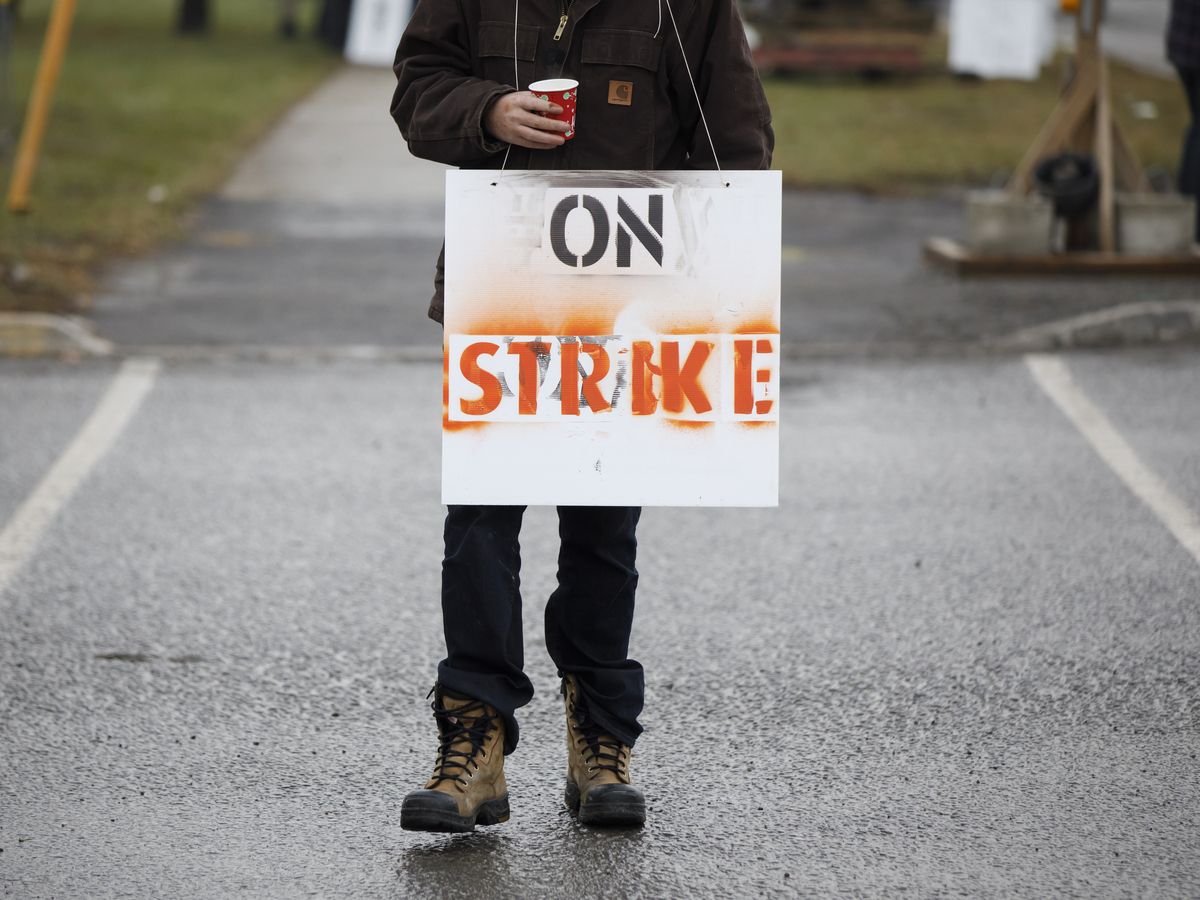
Twice in the past two years, labour disputes have brought Canada’s ports and railways to a standstill. Each time, the federal government had to step in to get the country moving again. Another round is coming. This one could stop more than trains or ships. The effects could ripple through the entire economy.
Sign In or Create an Account
or View more offersArticle content
The first deadline arrives at the end of this year, when the collective agreement between Canadian National Railway and its railway workers expires. Three months later, the agreement covering dockworkers at Canada’s West Coast ports expires. Nine months after that, Canadian Pacific Kansas City — the country’s other major freight railway — reaches its own contract deadline.
Article contentWe apologize, but this video has failed to load.Try refreshing your browser, or
tap here to see other videos from our team.We apologize, but this video has failed to load.Try refreshing your browser, or
tap here to see other videos from our team.Article content
Story continues below
This advertisement has not loaded yet, but your article continues below.
Article content
The ports and railways are links in the same chain. Shut down a railway and goods cannot reach the port. Shut down a port and goods cannot reach overseas markets. Shut down both, and a labour dispute can quickly blow up into a national crisis.
Article contentArticle content
We’ve seen it before.
Article content
In 2023, a strike shut down Canada’s West Coast ports in Vancouver and Prince Rupert for 13 days, disrupting the movement of about $10 billion in cargo. The following year, simultaneous work stoppages at CN and CPKC halted rail service across the country. By Day 1, about 830,000 tonnes of goods worth $1.1 billion had been stopped in their tracks.
Article content
When the railway stops, grain piles up with nowhere to go. Elevators fill, bids disappear and farmers can be left holding grain they cannot sell. Grain analyst Greg Kostal says that within weeks, the damage can become irreversible. Trucks cannot make up the difference. Moving grain that way, he says, is like trying to empty a bathtub with a spoon.
Article content
The 2023 port strike — which diverted container traffic to U.S. ports — showed that the damage can extend well beyond the duration of the stoppage. During the strike, U.S. marine terminals signed long-term contracts with shippers, capturing business that had previously moved through Canada, the federal Industrial Inquiry Commission later found. Once cargo moves to U.S. ports, the commission warned, it may not return quickly — or at all.
Article content
Story continues below
This advertisement has not loaded yet, but your article continues below.
Article content
The consequences can last long after the stoppage ends. In 2025, Saskatchewan-based Nutrien chose Longview, Wash., over Canadian locations for a proposed new potash export terminal. The reliability of the local labour force was among the factors Nutrien considered in making its decision.
Article contentRead More
- Matthew Lau: Who protects the lowly worker? Not unions, not government
- Howard Levitt: New workplace monitoring software has employees up in arms. They’re concerned about the wrong thing
- Story continues belowThis advertisement has not loaded yet, but your article continues below.
Article content
The decision was about more than where to move cargo. It was about where to build the infrastructure that would move Canadian potash to global markets for decades to come.
Article content
As the consequences have become clearer, so has the government’s willingness to intervene to keep goods moving. Section 107 of the Canada Labour Code has become Ottawa’s favoured emergency override.
Article content
For decades, it was almost never used. Then, in the past two years, it was invoked nine times.
Article content
That should concern both sides of the bargaining table. For employers, repeated government intervention can reduce the pressure to reach a deal themselves. For workers, it raises a more fundamental question: how meaningful is the right to strike if the government can step in and end a legal work stoppage when the economic stakes become high enough?