
Article content
The head of Canada’s largest bank hopes Ottawa can eventually strike a long-term deal with Washington, as United States president Donald Trump escalated the ongoing trade war between the two countries by announcing new tariffs and bans on certain Canadian products.
Sign In or Create an Account
or View more offersArticle content
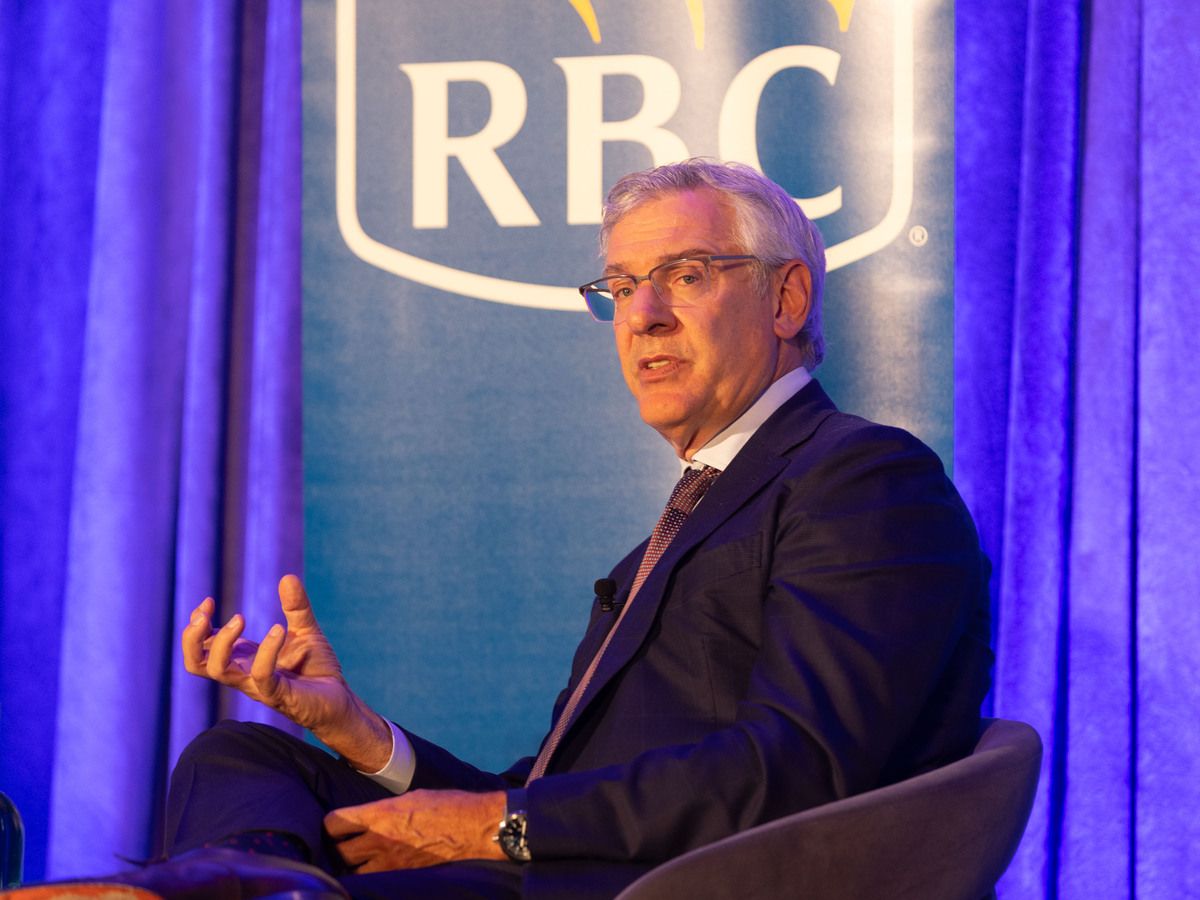
As the trade war expands, more people will pull back their spending, borrow less and try to manage their expenses, Royal Bank of Canada chief executive David McKay said at the Scotiabank Financials Summit conference on Wednesday.
Article contentWe apologize, but this video has failed to load.Try refreshing your browser, or
tap here to see other videos from our team.We apologize, but this video has failed to load.Try refreshing your browser, or
tap here to see other videos from our team.Article content
Story continues below
This advertisement has not loaded yet, but your article continues below.
Article content
“I am worried about the expansion of this, but it’s important that we get to a good long-term deal for Canada,” he said. “There’s enormous benefit on both sides of the border, and Americans are telling their congressmen the same thing, that this relationship is important to America, and it’s important to Canada.”
Article contentArticle content
Trump announced import bans and new tariffs on certain types of Canadian alcohol, dairy products, motorcycles and other kinds of products on Tuesday. The move is the latest step in an ongoing trade war between the two nations.
Article content
Despite the uncertainty in the economy caused by the ongoing trade war, each of Canada’s biggest banks comfortably beat analysts’ third-quarter earnings expectations last month, primarily due to a bump in their capital market business segments.
Article content
One reason why more capital is coming into Canada is the federal government’s desire to accelerate the growth of crucial energy-related projects, which would help Ottawa boost its economy and reduce the country’s reliance on the U.S. in the long run.
Article content
To further encourage growth, RBC announced a $1.4-billion initiative to invest in Canadian technology companies that have the potential to become global powerhouses. The lender will look to make direct equity investments in Canadian companies.
Article content
Story continues below
This advertisement has not loaded yet, but your article continues below.
Article content
The banks also reported stable provisions for credit losses, which is the amount of money that lenders keep aside to tackle loans that may potentially go back, which means they’re generally confident about the near-term future.
Article contentRead More
- Canada’s immigration system needs to be reset in order to face ongoing economic challenges, says RBC
- Howard Levitt: RBC pays high price for wrongful dismissal of financial adviser
- Story continues belowThis advertisement has not loaded yet, but your article continues below.
Article content
But McKay said there is significant uncertainty in a number of sectors that are impacted by the tariffs, so RBC is keeping its common equity tier 1 ratio, which measures how much capital banks have with respect to their risk-weighted assets such as loans, a little higher than regulators require.
Article content
“I was hoping to say, ‘Yeah, I think we are at the peak and coming down (with regards to PCLs),’” he said. “I am a little cautious because of the escalation of the trade war right now. But what we’re seeing outside of that — consumer, commercial, U.S. commercial — is getting better.”
Article content
Despite the additional product restrictions announced by the U.S., Bank of Nova Scotia chief executive Scott Thomson said only a relatively small amount of trade between the two countries is being tariffed.
Article content
“I don’t think that’s going to have a huge impact on the credit performance, but, obviously, we will have to stay tuned for what transpires over the next year,” he said at the same conference.