
Article content
Brent oil topped US$100 a barrel for the first time since July, as attacks between the U.S. and Iran and a recovery in Chinese oil buying propel the global crude benchmark higher.
Sign In or Create an Account
or View more offersArticle content
Futures rose as much as 2.3 per cent in London, before paring some of that gain. In the latest flare up in the Iran war, the U.S. military destroyed five Iranian tankers in response to attempts to hit a U.S. Navy warship with ballistic missiles overnight, Central Command said.
Article contentWe apologize, but this video has failed to load.Try refreshing your browser, or
tap here to see other videos from our team.We apologize, but this video has failed to load.Try refreshing your browser, or
tap here to see other videos from our team.Article content
Story continues below
This advertisement has not loaded yet, but your article continues below.
Article content
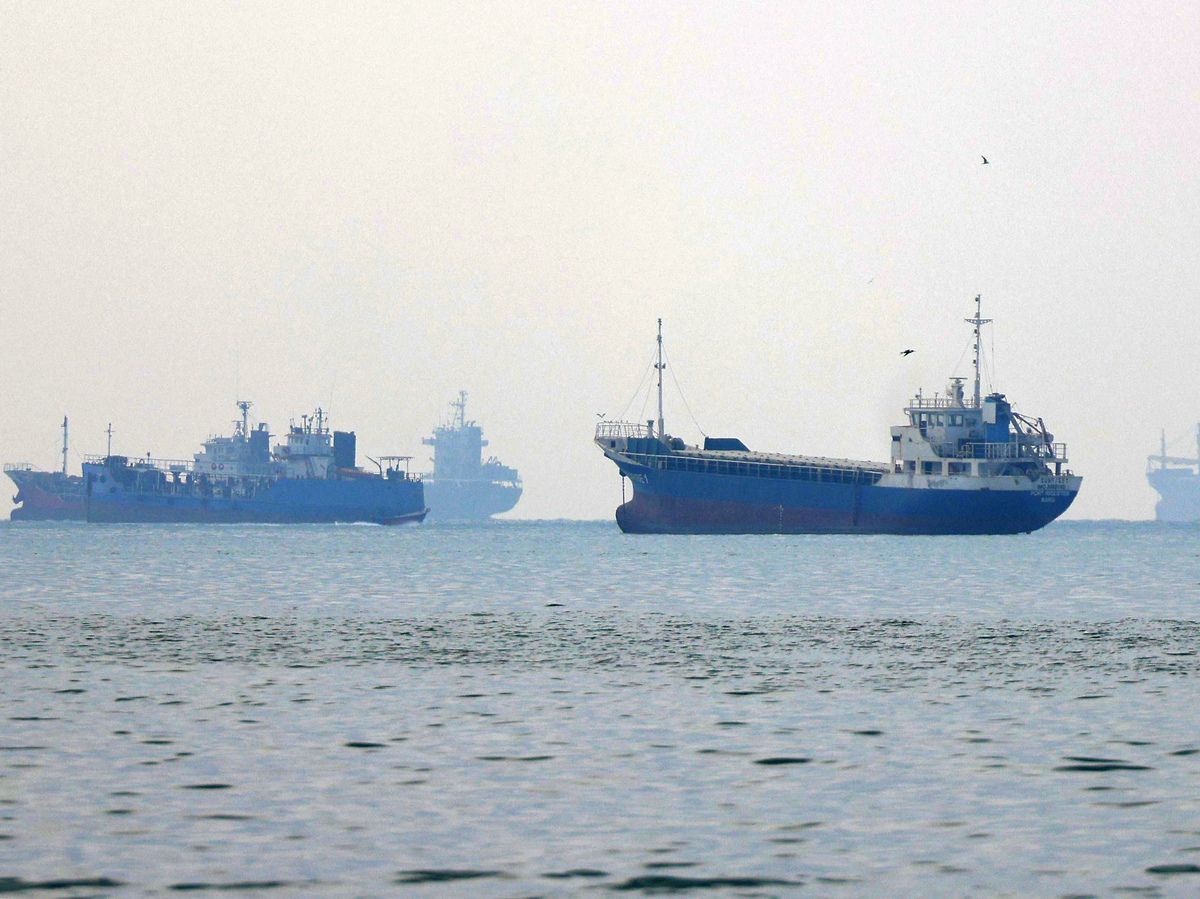
The conflict has disrupted flows through the crucial Strait of Hormuz chokepoint, although millions of barrels a day continue to cross the waterway — mostly on tankers with their signals turned off.
Article contentArticle content
Meanwhile, there’s been a pickup in Chinese crude purchases so far this month. A buying hiatus from the world’s largest importer had been one of the key factors keeping a lid on prices in the early part of the conflict, and the resumption has some key market gauges trading at their strongest levels in weeks.
Article content
Brent is up more than 60 per cent this year. Apart from a brief spike in July, however, futures had traded below the three-digit mark for more than three months as Persian Gulf producers managed to increase exports.
Article content
Refined products such as diesel, on the other hand, have rallied much harder as the Middle East conflict has broadened to the Red Sea near Saudi Arabia, alongside the Russia-Ukraine war. Together those price increases threaten to bring about a fresh round of inflationary costs for the world’s central bankers.
Article content
“The path of least resistance is a strong and steady grind higher as the war enters seven months,” said Darrell Fletcher, managing director for commodities at Bannockburn Capital Markets. “The fundamental picture for products remains bullish with global inventories and reserves deteriorating. In the typical pattern, the U.S. and Iran continue their counterattacks and warnings.”
Article content
Story continues below
This advertisement has not loaded yet, but your article continues below.
Article content
Before the Iran war, about a fifth of the world’s oil and liquefied natural gas passed through Hormuz to global customers.
Article contentRead More
- Tamarack, Headwater merge in $10-billion deal
- Ebel steps down as Enbridge’s CEO
- Story continues belowThis advertisement has not loaded yet, but your article continues below.
Article content
Despite the ongoing flow of tankers with their transponders switched off, vessels face a persistent threat of attack. Kuwait Petroleum Corp. is sending tankers through the strait “whenever it is safe,” an official said on Wednesday.
Article content
The continued disruption means inventories have continued to decline across the globe. Analytics firm Vortexa sees the amount of oil on ships at sea down by more than 150 million barrels since the middle of July.
Article content
Yemen’s Houthi militants are also continuing to attack energy facilities in Saudi Arabia. The group has launched a series of strikes on the kingdom’s 400,000 barrel-a-day Jazan refinery in recent weeks, threatening an already-tight market for refined fuels.
Article content
“Anxiety over continued and damaging supply disruption, due to the escalation of the conflict between the U.S. and Iran, is significantly higher,” said Tamas Varga an analyst at brokerage PVM. “Inflationary pressure will affect oil demand, but for now supply is not able to match demand.”
Article content
Article content