
Advertisement
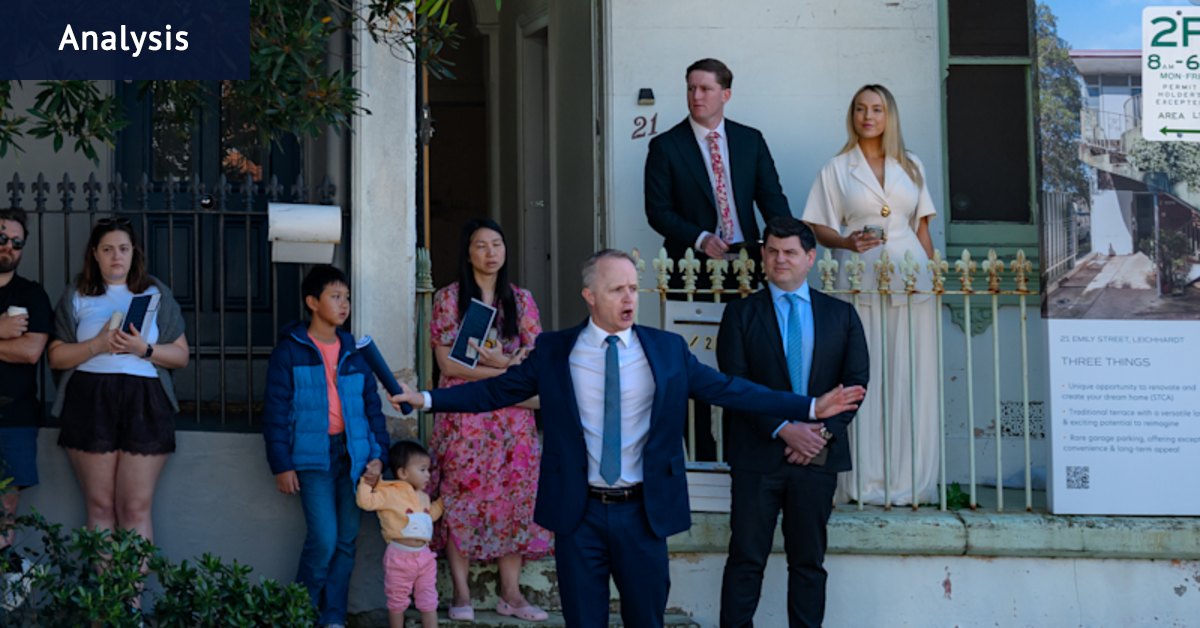
Real estate agents are starting to think the property market is picking up. Auction clearance rates have risen for two months in a row, there are a few more buyers attending open homes now and a handful of homes have surprised everyone by selling for more than their reserve price.
But economists and researchers are starting to think the property market is turning down. Forecasts for property price falls are being downgraded further, warnings are being issued that headwinds are becoming more entrenched and chances are rising of at least one more interest rate rise this year.
Confused? You’re not alone.
One thing we know is that nobody can know in advance when the property market downturn will reach the bottom.
Advertisement
But the bottom of the market will be clear to everybody once it has passed.
Forecasters expect this year’s property price falls to continue into next year and turn around in 2027 or even 2028.
But agents on the ground – by nature an optimistic bunch – point out conditions are not as weak as in June, which was in the immediate wake of three rate hikes and the May federal budget’s changes to taxes on investment properties, when many buyers put their plans on hold.
As the market moves through its downturn, anyone watching the spring selling season can expect to see both these trends at once: broad falls in prices and moments that may or may not be green shoots.
Advertisement
Any stronger than expected results could be green shoots of a stabilisation, at least in some areas, at some price points, while other areas continue to fall, given some areas may be further through the cycle than others. But they could be outliers as the market takes another leg down.
If sellers assume too early that price falls are over, they risk asking too much for their home and watching buyers walk away. But if buyers assume prices are falling for every property, they might miss out in a bidding war for the one top-quality family home for sale in their area.
This tension is showing up in the monthly auction clearance rate figures, which take in a broader set of auction results than the preliminary clearance rate published each Saturday night. When homes don’t sell at auction, agents may not rush to report the result to researchers the same day. With extra time, a more complete picture emerges.
Auction clearance rates have fallen steadily this year and reached their lowest point in June, at 52.2 per cent monthly for Melbourne and 46.2 per cent for Sydney. That’s the lowest since the lockdown days of 2020.
Advertisement
Since then, the clearance rate has risen for two consecutive months. By August, it reached 52.8 per cent in Sydney, and 59.6 per cent in Melbourne.
We’ll only know in hindsight if this is a subtle shift from a very weak to a moderately weak market or a blip as weak conditions return.
A rise in the clearance rate is not the same as a rise in prices. Because a 60 per cent clearance rate indicates a market balanced between buyers and sellers, the results show prices are likely to keep falling in future, albeit it’s an indicator that the pace of falls could moderate.
One way to read it is a picture of a market that is still weak, just not quite as weak as a few months ago. The other is that more deals are getting done because vendors have realised that they have to reduce their price expectations to sell.
Advertisement
The caveat is there are few homes for sale in winter, which could heighten competition and inflate the results temporarily.
The test will be when more homes are offered for sale this spring. If there aren’t enough buyers, the laws of supply and demand suggest the market will weaken again.
But if home owners hold back from selling to wait for a better time, that could start to put a floor under price falls.
On the buyer side, another rate rise would cut the amount of money buyers can borrow, and make them cautious about spending up to their limit, pushing prices down more.
Advertisement
Experts think the moment that will spark a turnaround for prices will be a signal the Reserve Bank will start cutting rates, probably next year.
At that point, expect buyers to ring their mortgage broker and scroll through upcoming open for inspections.
But when they get to auction, they’ll be competing with all the other buyers doing the same.
By the time researchers publish data showing home values have stopped falling and started to edge higher, buyers will have already been out competing for homes and bidding prices up, producing the sales results on which the data is based.
The bottom of the market will have already passed.
Here’s what to keep in mind. The best thing buyers can do in any market is try to buy the best home possible, that suits their needs, on their budget. That’s likely to serve them better than trying to buy at the best time.
You have reached your maximum number of saved items.
Remove items from your saved list to add more.
More:
Elizabeth Redman is the national property editor at The Age and The Sydney Morning Herald.Connect via X or email.AdvertisementAdvertisement