
Article content
WASHINGTON, D.C. — As both Canada and the United States enjoyed a day off and family BBQs on Monday, U.S. President Donald Trump was busy posting on his social media platform.
Sign In or Create an Account
or View more offersArticle content
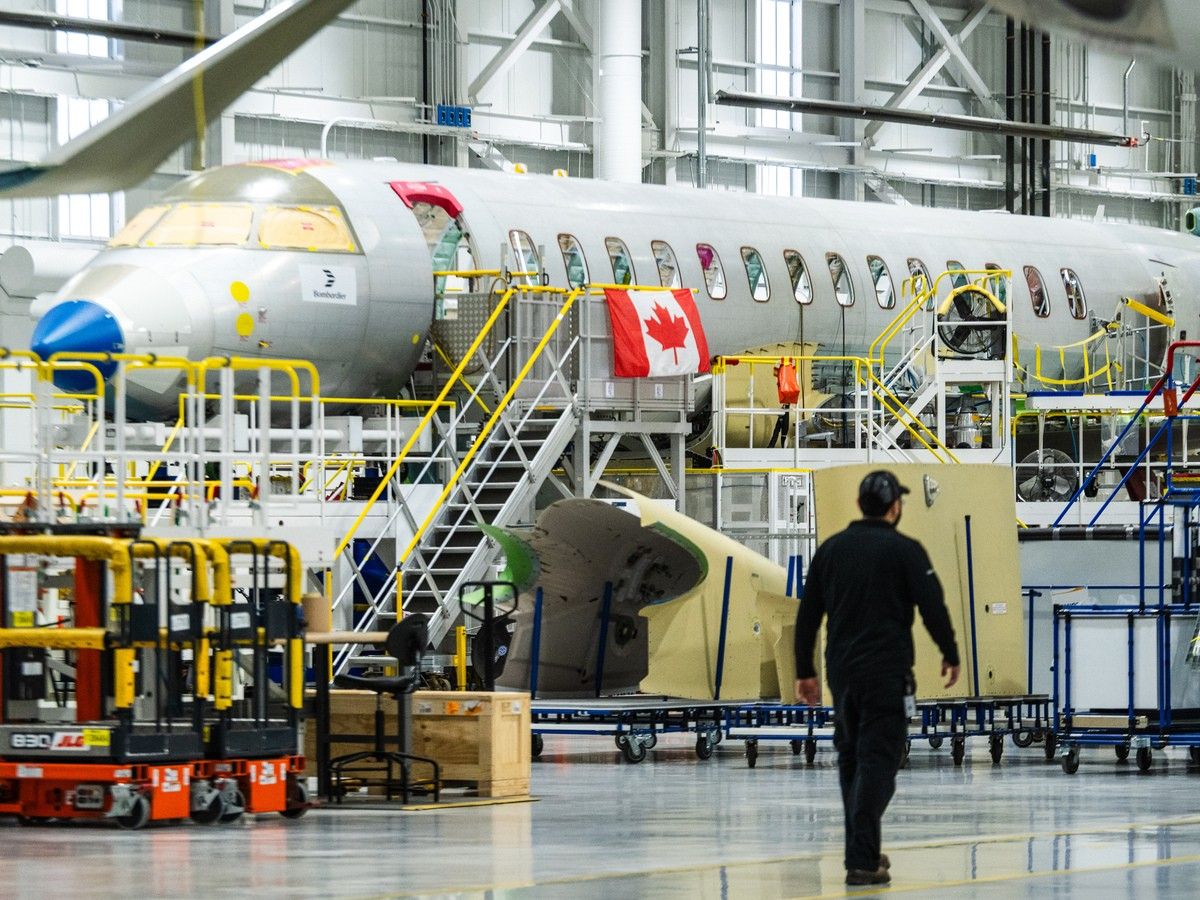
In one update, he declared that Canada’s aerospace giant, Bombardier, could no longer sell in the United States.
Article contentWe apologize, but this video has failed to load.Try refreshing your browser, or
tap here to see other videos from our team.We apologize, but this video has failed to load.Try refreshing your browser, or
tap here to see other videos from our team.Article content
“NO MORE SELLING BOMBARDIER IN THE UNITED STATES! Their products aren’t good enough! Over 50% of their revenue comes from the United States,” the president wrote. He complained that Canada blocked Gulfstream Aerospace from doing business in Canada — a reference to a certification issue earlier this year that has since been resolved.
Article content
Story continues below
This advertisement has not loaded yet, but your article continues below.
Article content
The 114-word missive also included a number of “America First” rallying cries about buying, flying, and sailing American — and enjoying American liquor.
Article contentArticle content
Bombardier reported total revenue of $9.55 billion in 2025, with over half generated by sales to U.S. customers.
Article content
The timing of Trump’s Labour Day post was telling, with 12 hours before Canada’s retaliatory tariffs on more than 700 U.S. products entering Canada — covering CA$27.6 billion in annual imports — were set to take effect at 12.01 am Tuesday. They have since been implemented.
Article content
So was Trump’s post a sign that he was rattled by Ottawa’s refusal to back down over tariffs? At the very least, it was more evidence that the president is willing to go extreme for leverage, analysts say.
Article content
“I think (Trump) is definitely frustrated that Canada hasn’t caved. He knows the retaliatory tariffs will have economic impacts in the United States, and he’s hoping more escalation will force Canada to back down,” said Jennifer Kavanagh, senior fellow and director of military analysis at Defense Priorities.
Article content
But Richard Shimooka, senior fellow at the Macdonald-Laurier Institute, says Trump’s additional pressure is likely part of the deal-making process.
Article content
Story continues below
This advertisement has not loaded yet, but your article continues below.
Article content
“I think that he tries to create more and more and more leverage, and at a certain point a deal gets made however it is, and then that’s it,” he said, pointing to what happened between the U.S. and North Korea.
Article contentRead More
- Why Quebec is lagging behind on removing interprovincial barriers for alcohol sales
- Freedom of information? Here’s what Ontario’s government doesn’t want you to know
- Story continues belowThis advertisement has not loaded yet, but your article continues below.
Article content
He recalled how Washington and Pyongyang exchanged nuclear threats, and then, “all of a sudden, they’re best buddies,” while noting that he’s not sure a resolution is coming for Ottawa anytime soon.
Article content
Shimooda also questioned whether “this is smart policy for them” with the U.S. midterms looming and polling in the U.S. showing low levels of support for Trump’s tariffs on Canada. Hurting Bombardier, which has several U.S.-based facilities and employs more than 3,000 people, would mean affecting U.S. voters in those areas.
Article content
Shimooka also suggested it may be time to wait Trump out because his power is waning.
Article content
“In the second half of the second term, the political power of a president at this stage is increasingly limited,” he said.
Article content
The midterms are also among the reasons why Kavanagh doesn’t think Trump will follow through with his threat.
Article content
“I don’t think he’ll do it because, given the focus on inflation, increasing U.S. manufacturing, and countering deindustrialization, and economic concerns going into the midterms, it would just be a very strange move to alienate a really important group of voters.”