
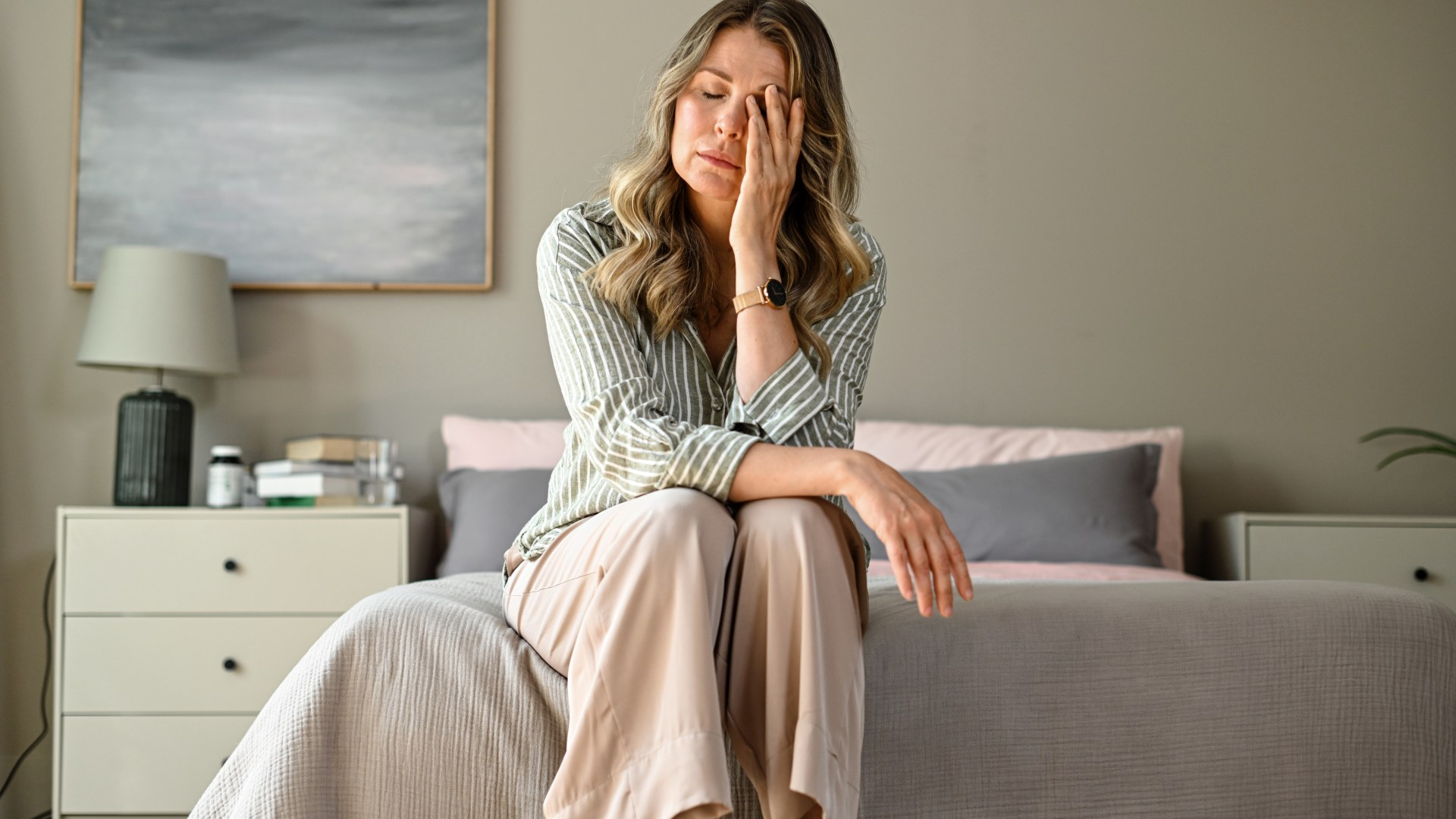
SEVEN in 10 adults who have a loved one with a chronic health condition feel it has taken a toll on their own mental health.
A study of 1,000 adults who have a friend or family member who suffers from chronic health issues found 73 per cent feel guilty watching them in chronic pain.
And 62 per cent would even take on their loved one’s pain and symptoms ‘in a heartbeat’ to spare them from it.
But their caregiving role has left 40 per cent experiencing anxiety, while 16 per cent have had feelings of isolation.
Nearly half (46 per cent) said supporting their loved ones through their condition had eaten into their own personal time, while others said it impacts their sleep (41 per cent) and social life (37 per cent).
While 19 per cent admitted the pressure of providing daily support has put a strain on their relationships.
Read more in Health
PRICE HIKE
Warning over new vaping rule starting this October that’ll cost £137 more a year
NHS TRAGEDY
Mum wins payout after sepsis death of son, 2, who was ‘told he was constipated’
Yet 34 per cent never talk to their loved one about how the condition affects them, carrying much of this silently.
Dr Simon Erridge, director of research at medical cannabis clinic, Curaleaf Clinic, which commissioned the research, said: “Chronic illness rarely stays within the boundaries of a single diagnosis.
“The people around a patient – partners, parents, friends – often carry a significant emotional and practical burden that isn’t widely recognised.
“This research begins to put a number on something we hear about regularly in the clinic.
Most read in Health
EYE SPY
Tiny mark under your eye ‘indicates your risk of stroke in the next 10 years’
SUPPLY SLOWS
Millions on top NHS drug forced to RATION meds for months amid shortage crisis
BRAIN DRAIN
Dementia could be ‘REVERSED’ as surgery ‘flushes out toxic proteins’ from brain
TAKE NOTE
The 5 little-known signs of blood cancer as BBC star reveals incurable diagnosis
“That burden often pushes families to keep searching long after conventional treatments have been exhausted.
“But it’s often loved ones who often end up helping a patient find their way to a specialist clinic.”
The research also found emotional support is the single biggest thing caregivers provide (64 per cent).
However, many also take on the shopping (57 per cent), household chores (53 per cent) and driving to appointments (50 per cent).
On average, this adds up to nearly eight hours a week, but for those aged 55-64, it rises to 11-and-a-half, with 19 per cent spending 24 hours or more a week offering some form of support.
It also emerged 64 per cent said their loved one has tried two or more treatments, but 70 per cent of those haven’t yet found something that adequately manages their condition.
As a result, 16 per cent of carers spend time searching for new treatment options at least once a week.
This persistence has made all the difference as 51 per cent say they have researched or discovered a treatment option through their own efforts, rather than through a formal referral.
And 23 per cent say it has since made a difference to their loved one’s quality of life.
The study, via OnePoll, found despite this time searching for alternative treatments, 41 per cent either don’t know or aren’t sure whether medical cannabis is a legal medication in the UK.
Sancharie Booth, age 39, from Sheffield, a Curaleaf Clinic patient, said: “The nightly and morning spasms used to leave me with very little sleep and struggling to breathe, meaning I was in huge amounts of pain every night and morning.
“On top of that, I’d get incredibly intense and overwhelming womb pains several times a month.
“Medical cannabis has given me a great deal of relief from all of this, with far less pain during the day, much better sleep quality, and more energy.”
Sancharie’s husband Mat Booth, age 43, also from Sheffield, said: “For years, I’ve watched Sancharie live in pain and never really rest.
RECOMMENDED STORIES
“You feel so helpless seeing someone you love go through that, as there’s not much you can do to fix it.
“But it’s a real relief to see some of her key symptoms subside and see her able to relax more.”