
Coimisiún na Meán has finally launched an investigation against a big tech platform for age enforcement. It may only be one part of the solution.
Finally.
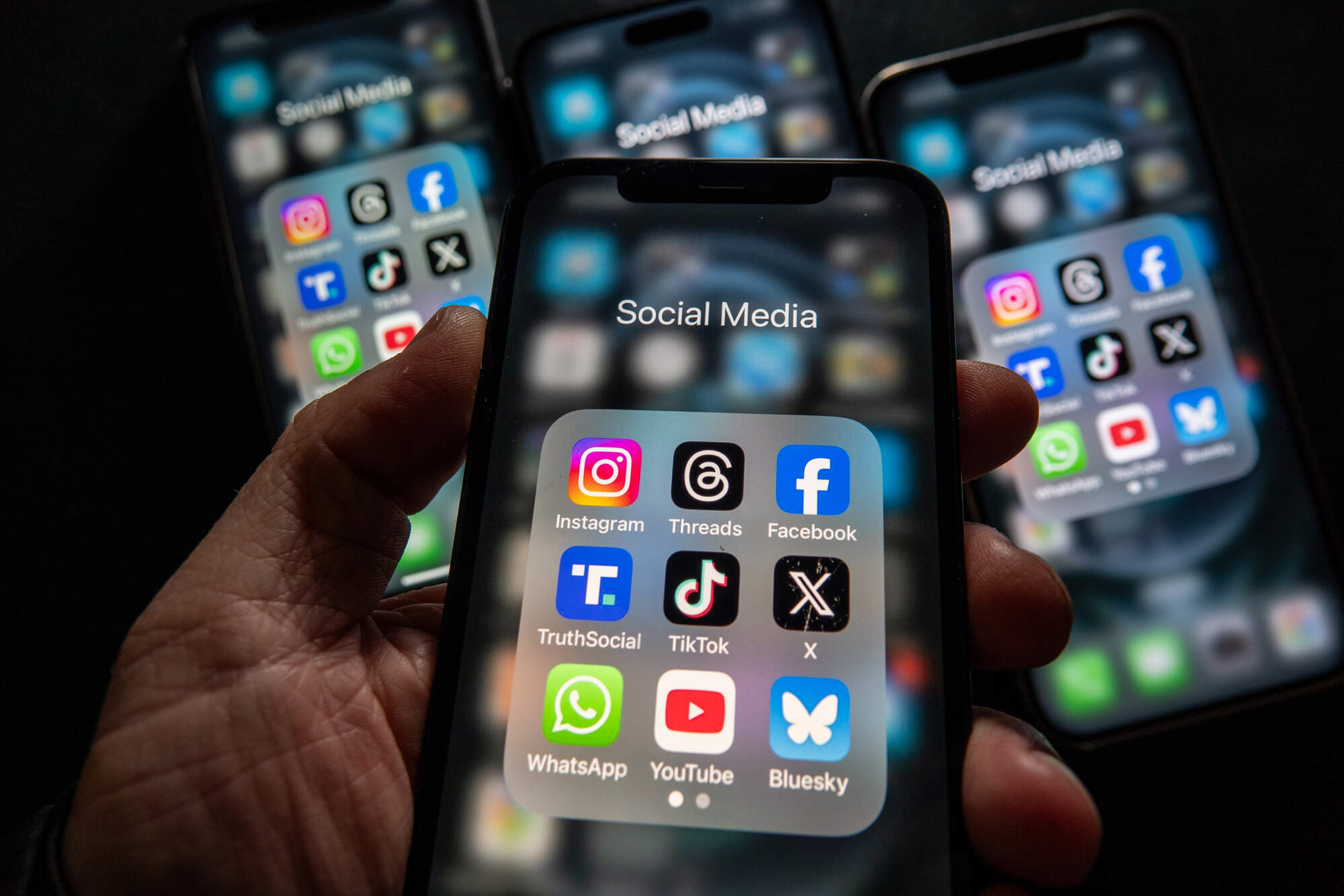
Ireland’s regulator is using its Online Safety Code powers for the first time, opening an investigation into X.
The official probe from Coimisiún na Meán will measure what, if any, effective measures X has in place to stop kids seeing pornography and extreme violence, both of which X allows on its platform. It will also check whether X’s parental controls are effective.
It’s a big move. Up to now, it’s mostly been hand-wringing when it comes to keeping kids off social media, all while big tech firms continue to make billions from their engagement.
It’s been almost two years since the Online Safety Code was enacted and 14 months since it ‘came into force’ against social media platforms based in Ireland such as Meta, TikTok, X and Google.
In that 14 months, the figures have made a mockery of our attempts to regulate the sector.
A survey of 74 primary and secondary schools, covering 7,400 children between the ages of 8 and 15, shows the same number of children under 13 as last year using over-13s social media services.
There has been no impact from the Online Safety Code, whatsoever, on Irish kids’ consumption of adult content, some of it quite distressing. In fact, sexual content consumed by kids has rocketed by 10 to 24pc, with algorithms pushing such content on what are nominally adult accounts that are actually owned by children.
The potential fine in this new regulatory probe is genuinely significant – up to 10pc of X’s annual revenue. Even if X takes in a tiny fraction (just over €2bn) of what the other big platforms do, that could still be a fine that runs into hundreds of millions of euro, enough to put Elon Musk on the warpath with Ireland.
But no-one should be naive enough to think that this would fix one of the core issues of kids accessing social media. All of the evidence shows that pre-teens and young teens want to be on social media and almost nothing can stop them.
We have two recent proof points of this. The first is the CyberSafeKids survey data, showing 70pc of under-13s with social media accounts.
An even sharper reminder is the first big update from Australia’s social media ban on under-16s. That country’s first report on how the ban, which came into effect last December, is going shows that social media usage only fell from 86pc to 82pc. (For platforms like TikTok, usage actually rose among under-12s.)
This suggests that there might be a lot more to keeping kids off harmful social media sites than just declaring that they’re banned.
Even apparently big results against social media giants may not do that much. The recent $18bn court settlement by Meta in the US appeared to give hope to those looking for greater safety controls for kids, with the settlement mandating new restrictions for kids and teens. These will include a daily two-hour time limit that teens can “only turn off with a parent’s permission”, a default block between midnight and 6am and notifications muted by default between school hours of 8am and 3pm. They’ll also result in Facebook and Instagram not being allowed to show teens the number of likes or reactions on their own posts or those of anyone else’s, as well as greater controls on algorithms.
But here’s the thing – all of those only apply to accounts where there is an admission of being under 18. None will apply to accounts where the child has simply declared themselves to be over 18 (with no check).
So we’re back to square one. And we’re faced with the question that many families prefer not to be asked out loud: how do we get to a position where kids and teens admit their real age on social media? How much onus should there be on parents, as well as platforms and regulators, simply not to allow kids on social platforms?
That’s a sticky social question that few in this debate really want to address.