
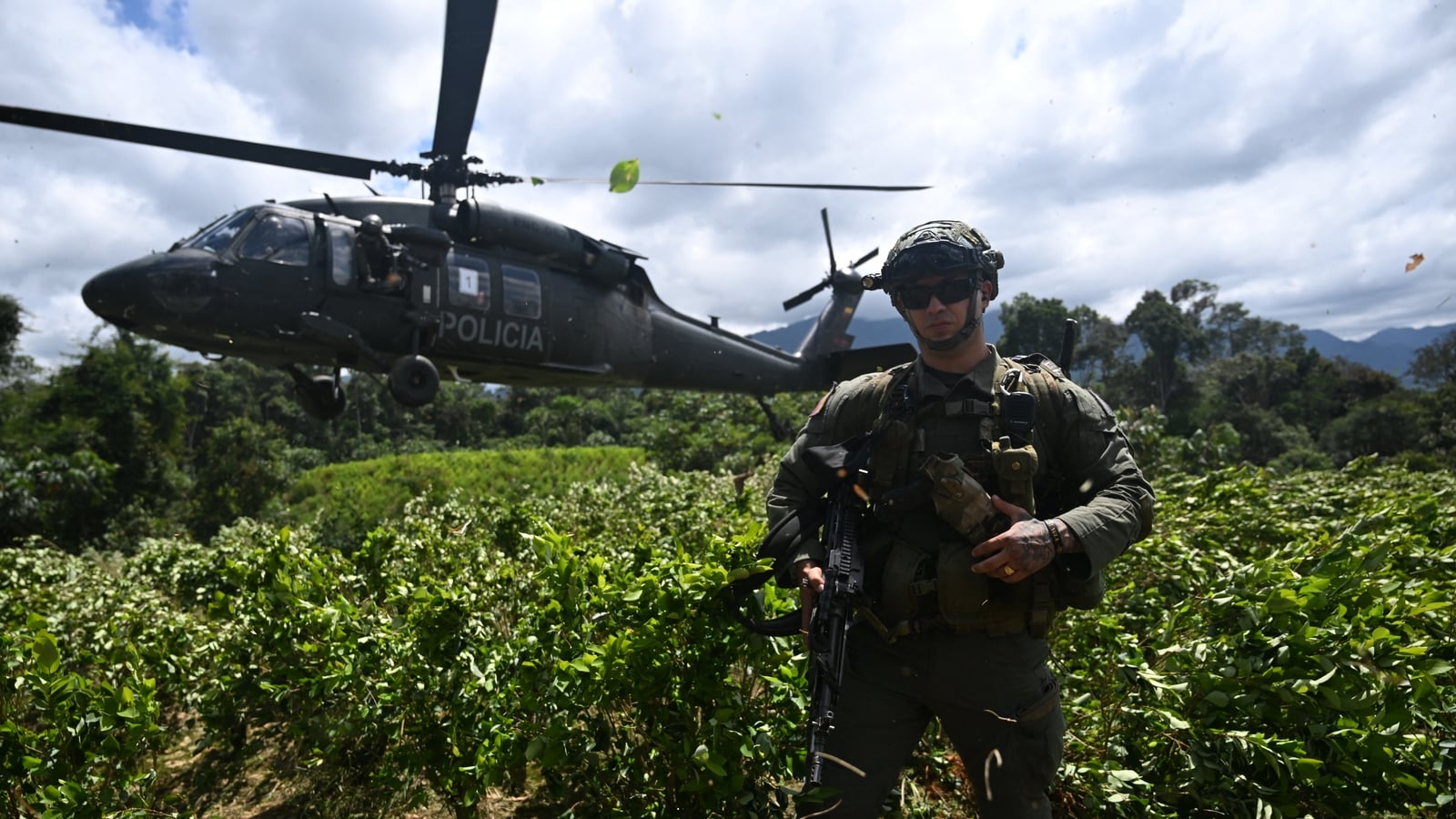
An Garda Síochána has signed a Memorandum of Understanding with the Colombian national police as part of ongoing cooperation in tackling organised crime and international drug trafficking.
In a statement, gardaí said the signing formalises existing cooperation and provides a framework for enhanced information sharing, operational collaboration, training opportunities and the exchange of best practice.
“By strengthening operational cooperation and facilitating the exchange of intelligence, both organisations aim to enhance their effectiveness in targeting those responsible for the importation and distribution of illicit drugs and other forms of serious organised crime,” gardaí said.
Reciprocal visits have been made by senior members of An Garda Síochána and the Colombian National Police.
Gardaí said these visits played a crucial role in “developing a shared understanding of the challenges posed by transnational organised crime groups operating across jurisdictions”.
Garda Commissioner Justin Kelly said the memorandum is another step in strengthening international cooperation in order to disrupt, degrade and dismantle transnational organised crime groups.
“An Garda Síochána is determined to play our part internationally in combatting the deadly and harmful impacts that transnational organised crime groups inflict on communities,” Commissioner Kelly said.
“An Garda Síochána has developed an extensive network of international Garda Liaison Officers strengthening our ties with international and local law enforcement agencies.”
Director General of the National Police of Colombia General William Oswaldo Rincón said the agreement enables the exchange of criminal intelligence regarding transnational crime and serious offences affecting both countries.
“This historic agreement entails the activation of direct police communication channels that will allow for the real-time sharing of strategic, technical and scientific data, excluding matters of national security.
“In practice, the agreement will lead to a profound operational modernisation through joint training programs, the development of citizen security projects assisted by digital technology and the implementation of global best practices in the fight against corruption.”