
A CONTROVERSIAL procedure that ‘replumbs’ the brain to ‘flush out toxic proteins’ could stop dementia in its tracks – or even reverse it – scientists claim.
More than 2,000 people in China have undergone the experimental surgery, known as deep cervical lymphatic-venous anastomosis (dcLVA), to treat Alzheimer’s disease.
A jaw dropping video of an 84-year-old dementia patient who underwent dcLVA in 2020 sparked “a frenzy of this surgery being performed left and right”, according to Nature.
At first shown slumped and unresponsive in his hospital bed, subsequent clips show the man alert, walking and talking six months after the op.
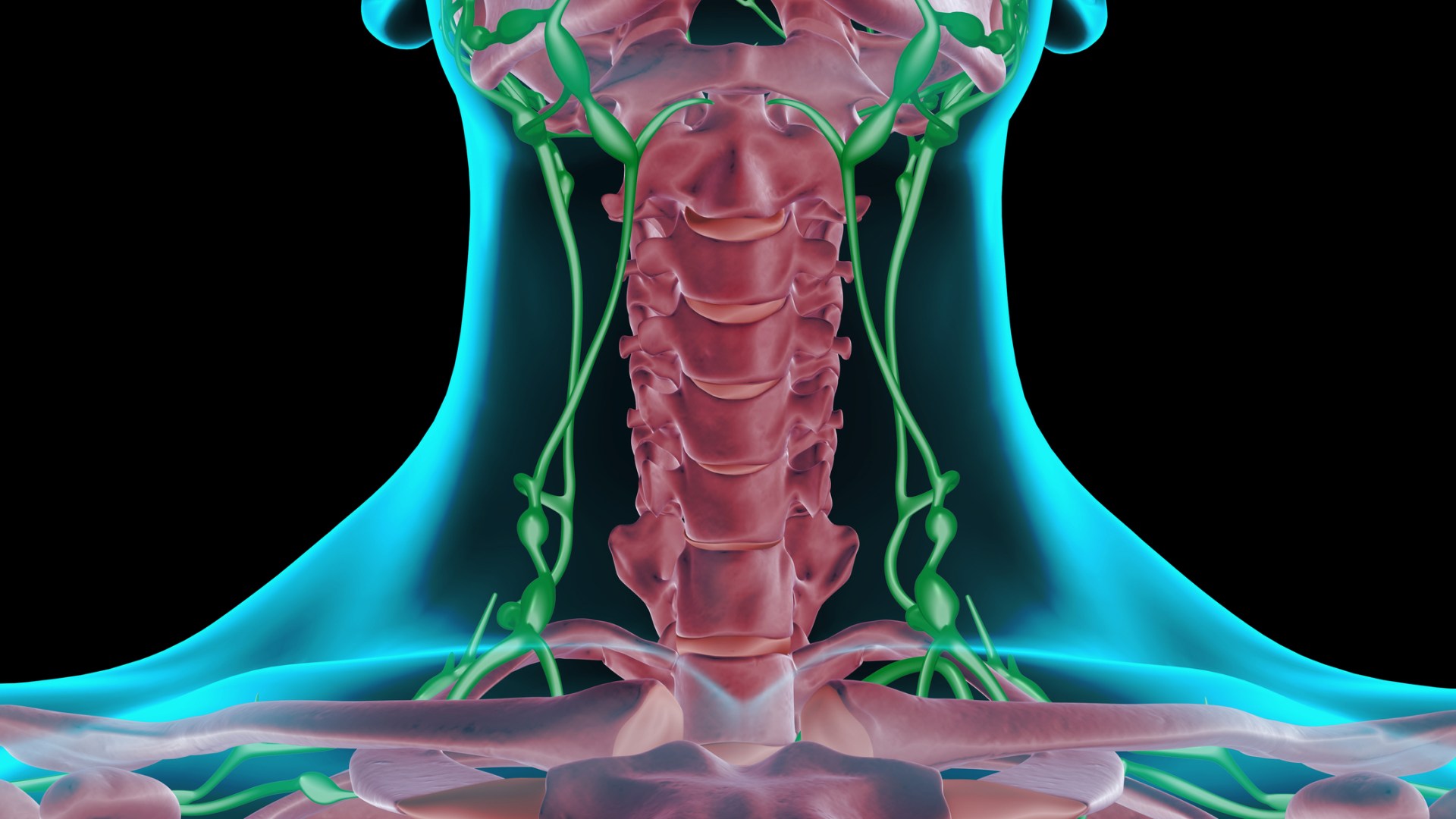
It involves connecting tiny lymphatic vessels in the neck – part of the drainage system that carries waste away from the brain- to nearby veins, supposedly allowing fluid and waste proteins that cause dementia to flow more easily into the bloodstream.
But the procedure, which at one point was being offered by hundreds of Chinese hospitals, was last year banned in settings outside of clinical studies, over concerns about the lack of evidence on safety and effectiveness.
Read more on dementia
CRISIS DEEPENS
The 114 medicines in shortest supply in the UK – is YOURS on the list?
TOP TAB
Millions could benefit from 3p pill ‘to slash risk of heart attack and dementia’
Meanwhile, its pioneer – microsurgeon Qingping Xie, president of the Qiushi Hospital in Hangzhou – was detained by Chinese authorities in December for undisclosed reasons.
Now, studies utilising the technique are underway around the world.
More than 20 clinical trials under way on this surgery in China.
It’s also being investigated in the US and Singapore – where four people have had the operation.
Most read in Health
TAKE NOTE
The 5 little-known signs of blood cancer as BBC star reveals incurable diagnosis
ROCK BOTTOM
I taped up saggy thighs & my heels BLED from weight…how I shed 6st without jabs
A LATTE SUGAR
The shocking autumnal drinks with more sugar than a WHOLE pack of biscuits
DEADLY DRUGS
At least 1000 Brits rushed to A&E every day over pill error – are you at risk?
But dementia experts remain divided as to whether the surgery actually works.
Young-Kwon Hong, a lymphatics researcher at the Beth Israel Deaconess Medical Center in Boston, Massachusetts, told Nature: “The concept is scientifically valid and biologically plausible.”
But he worries that “hype” around the technique has outpaced evidence.
Meanwhile, Robert Howard, a professor of old age psychiatry at University College London, told the Daily Mail that close examination of the data reveals the benefits of the surgery are tiny.
The technique borrows from lymphatic venous anastomosis (LVA), a type of treatment that is already widely used on the NHS to tackle lymphoedema, swelling of the arms and legs due to a build-up of fluid.
To carry out this procedure, surgeons make a tiny incision in a patient’s armpit before stitching the lymph vessel that’s full of fluid to a nearby vein – allowing the excess fluid to drain into the bloodstream.
A similar process is followed for dcLVA, where surgeons make a small incision in the neck.
The surgeon then cuts into the deep cervical vein – which drains blood from the neck – and connects it to the lymphatic vessel that runs alongside it.
The operation takes about two hours.
It’s based on the premise that there are lymph vessels that are hidden plumbing keeping the brain clean.
If clogs in that plumbing contribute to disease, then fixing the flow might help to treat conditions like Alzheimer’s.
The idea of flushing toxic proteins out of the brain also works similarly to blockbuster Alzheimer’s drugs such as lecanemab and donanemab.
However, these drugs aren’t available on the NHS as they were deemed to have limited benefits while causing dangerous side-effects like brain bleeds.
In a new study conducted at Xi’an Fengcheng Hospital in Shaanxi, China, 83 patients with advanced dementia were operated upon.
Researchers claimed there were “significant” improvements to their condition.
In the nine months after the surgery, there was a significant improvement in blood flow to the brain.
Meanwhile, 40 per cent of the patients improved their scores on the Mini-Mental State Exam (MMSE), which measures attention, recall and language, after the surgery.
Writing in the Journal of Alzheimer’s Disease last month, the researchers said: “All the patients exhibited enhanced alertness and vitality, characterised by increased responsiveness and improved engagement.
“Attention and executive functions [such as memory and planning] also significantly improved, enabling more effective interaction with caregivers.”
Side-effects, they said, were mild, mostly involving temporary wound pain at the surgery site.
But UK dementia experts remain sceptical.
Prof Howard said: “In the study, the MMSE scores increased from an average of 3.01 to just 4.45.”
Thirty is the maximum.
“So even after surgery, these patients were still severely impaired by their dementia,” he added.
RECOMMENDED STORIES
“Also, everybody knew they were getting the real surgery, rather than a sham procedure, which means any increase is probably due to the placebo effect.”
Even if the surgery does have a positive effect, he said, it may well be short-lived as whatever is driving the production of amyloid proteins has not been addressed.