
Food and energy costs are just two of reasons why consumer prices in Ireland are up an average of 3.4% over the past year.
Energy prices are estimated to have increased by 11.8% since August last year – with Ireland having the highest electricity prices of any EU member state.
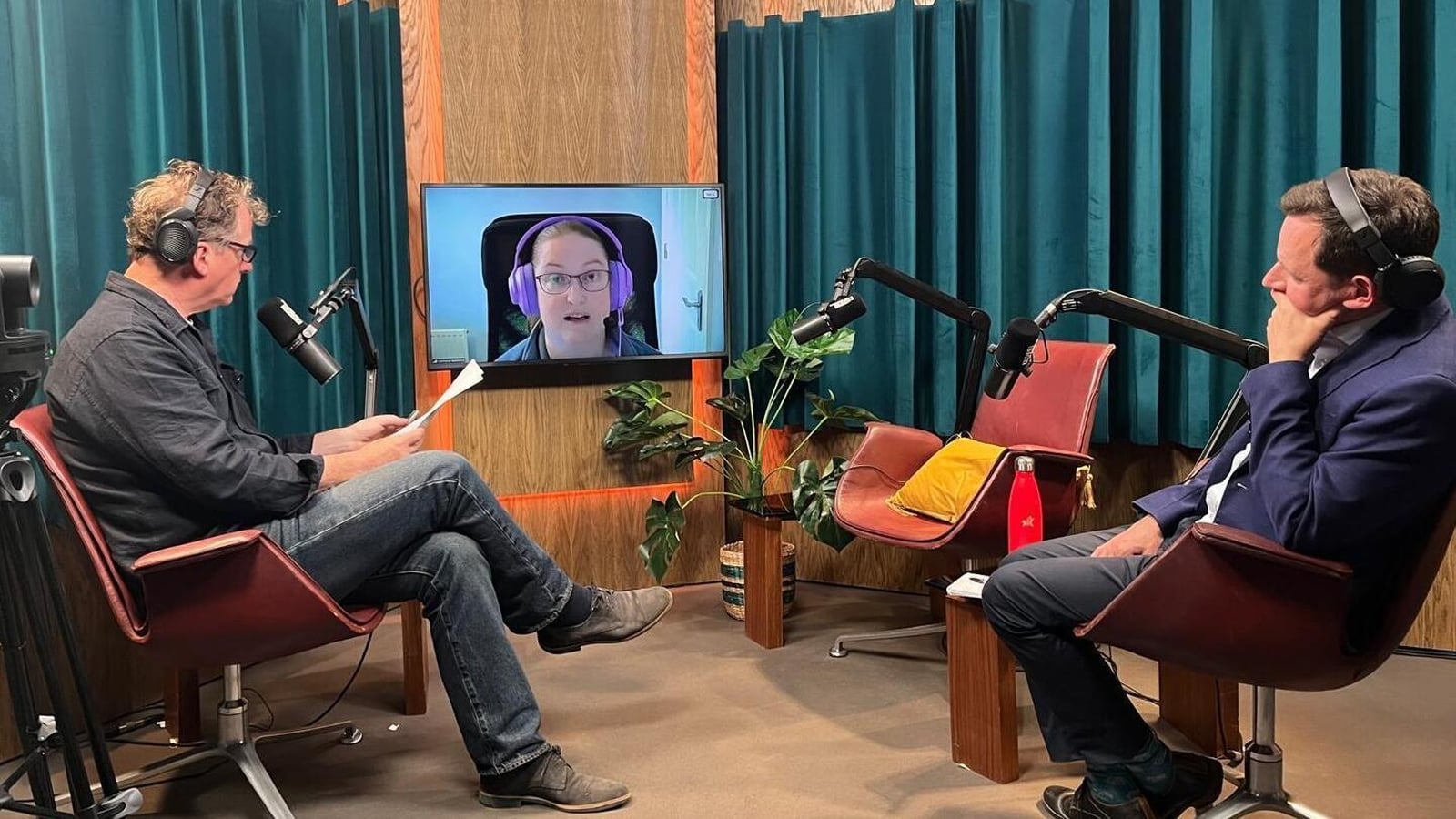
Consumer journalist Caitriona Redmond told Behind the Story that she is noticing something happening in supermarkets.
“What really stands out at the moment is the fresh produce,” she said.
“I’ve actually seen, in a number of local supermarkets, signs warning people that fresh new Irish potatoes will not last as long as usual – and that they’re smaller than usual.
“Everything is just a little bit on the straggly side.”
Ms Redmond said bad weather is also impacting on ambient products – those which can be stored on the shelves – such as tinned tomatoes.
“When we take look at things like ready meals that you might see on the shelves, that would be made using a combination of ambient and fresh items, so those items are going to go up (in price) as well,” she said.
Ms Redmond said one particular industry popular in Ireland is also likely to feel the pinch from a reduced potato crop.
“Chippers and chips use a huge amount of Irish potatoes,” she said.
“Smaller potatoes means it will be more labour-intensive to produce the chips, but they’re also more expensive as well.
“So, expect your bag of chips to go up.”
Cost of living ‘saga’
However, Ms Redmond does not believe we are in a cost of living ‘crisis’.
“A crisis suggests something is immediate, has an amount of urgency and we’re going to overcome it in a short amount of time,” she said.
“The start of what we’re calling this cost of living crisis goes all the way back to the Ukraine conflict in March 2022.
“We’re here in September 2026 – is it fair to be calling it a crisis? I’d argue no.
“I think we really need to be talking about it as a saga, this is ongoing.”
Ms Redmond also points to the fuel crisis, due to the ongoing conflict in the Middle East, which is resulting in people with less disposable income.
“The less disposable income we have, the less happy we are – and that’s what bring us to poor public and social sentiment, and that’s where people really begin to feel disenfranchised and removed from the decisions that the Government are making.”
As Budget 2027 approaches, RTÉ’s Economics and Public Affairs Editor, David Murphy discusses what people might expect in the budget.
You can listen to Behind the Story on the RTÉ Listen app.
You can also find episodes on Apple here, or on Spotify here.