
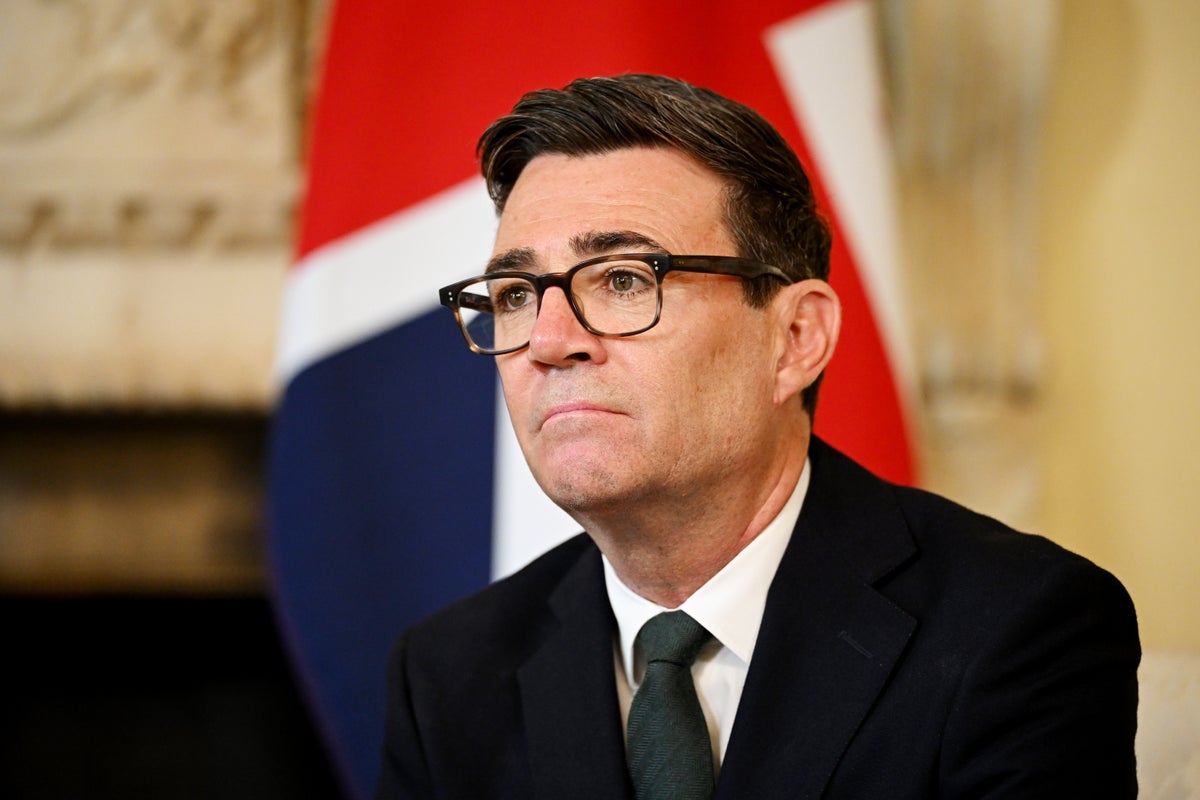
A major business organisation has urged Andy Burnham to scrap the state pension triple lock, claiming it would save over £3bn across just two years.
The British Chambers of Commerce (BCC) says the priority must be on creating a growth agenda for Britain rather than increasing taxes once again, using the billions saved in tax on state pension payouts to invest in the cost of employment and doing business.
In April 2027, the full state pension is likely to rise by just over £500 per person having been forecast to cost the UK a total of £146.1bn for the 2025/26 financial year. This is projected to rise astonishingly quickly in future years, with official estimations placing it at almost 9 per cent of GDP by 2075 compared to the current level around 5 per cent.
The triple lock states that the state pension will rise by whichever is the highest between 2.5 per cent, inflation or wage growth. The two latter figures are both well above 2.5 per cent and it is likely to be the May-to-July average wage growth figure which is used. This should be around 4 per cent and will be confirmed in September.
In monetary terms that would see the annual payment move around £504 from £12,547.60 to £13,052, for someone who receives a full state pension.
The BCC has not previously called for the triple lock to be scrapped, but argues that linking the state pension uplift only to CPI inflation would be able to part-fund cutting employer National Insurance Contribution costs for under-25s, lowering the cost of entry-level hiring to support getting young people into work.
Shevaun Haviland, BCC director general, urged Mr Burnham and Mr Healey to “cut the cost” for businesses to do their work so that more people could share in the eventual rewards.
“We know the government is in a fiscal bind and its choices are limited. But support for business is not just money out the door, it generates vital economic returns. Easing cost pressures will give firms breathing space to create jobs, investment and growth,” she said.
Get a free fractional share worth up to £100.
Capital at risk.
Terms and conditions apply.
ADVERTISEMENT
Get a free fractional share worth up to £100.
Capital at risk.
Terms and conditions apply.
ADVERTISEMENT
“Right now, too many businesses are being held back by ever increasing bills. Our research shows domestic policy costs on firms have piled up by over 70 per cent in the last decade.
“The chancellor must use his first budget to cut the cost of doing business, allowing everyone to reap the economic benefits. Piling more taxes on firms, would be a road to ruin, and the quickest way to destroy business confidence.”
The BCC’s Budget submission carries three priorities, with a cost-reduction package and support for exporters also included alongside the NICs reform.
Mr Burnham and his chancellor John Healey should “use available fiscal headroom as a targeted pro-growth intervention”, the BCC argue, to “signal a decisive change of direction” across the economy.
Ms Haviland also pointed toward wider government support for firms who were looking to employ young people, sell their products or services outside of the UK and renew a skills drive.
“We need to see immediate action on helping young people into work, cutting business rates and energy costs, as well as helping to support more SMEs to export. Taken together, we believe these measures can help light the touch paper for stronger growth,” she added.
“The chancellor must also outline longer term plans to boost investment, skills and productivity across the UK. Our Chamber network is rooted in its communities; they know their local economies and want to work with government to make devolution a success.
“Pro-growth choices have never been more urgent. The chancellor must ‘back business, cut costs and deliver growth.”
The government’s Department of Business, Innovation, Science and Trade, in partnership with Small Business Britain, are running an event in London on 8 September, aimed at helping small firms and entrepreneurs start exporting to the US – which almost half (44 per cent) of UK SMEs say is the market with greatest opportunity.
“Helping more entrepreneurs trade successfully with the US will not only strengthen UK-US trade ties but ultimately support growth across the UK economy,” said Michelle Ovens CBE, CEO of Small Business Britain.
Minister for trade Anas Sarwar added: “The US is our single biggest trading partner, and initiatives like Great British Pitch USA show how working hand-in-hand with industry helps ambitious UK entrepreneurs get in front of buyers, win new business, and turn export ambition into export success.
“That’s good for businesses, good for jobs, and good for growth in every postcode.”
Join our commenting forum
Join thought-provoking conversations, follow other Independent readers and see their replies