
THE Government has refused to rule out fresh tax rises in next month’s Budget, in a move which will likely worry cash-strapped Brits.
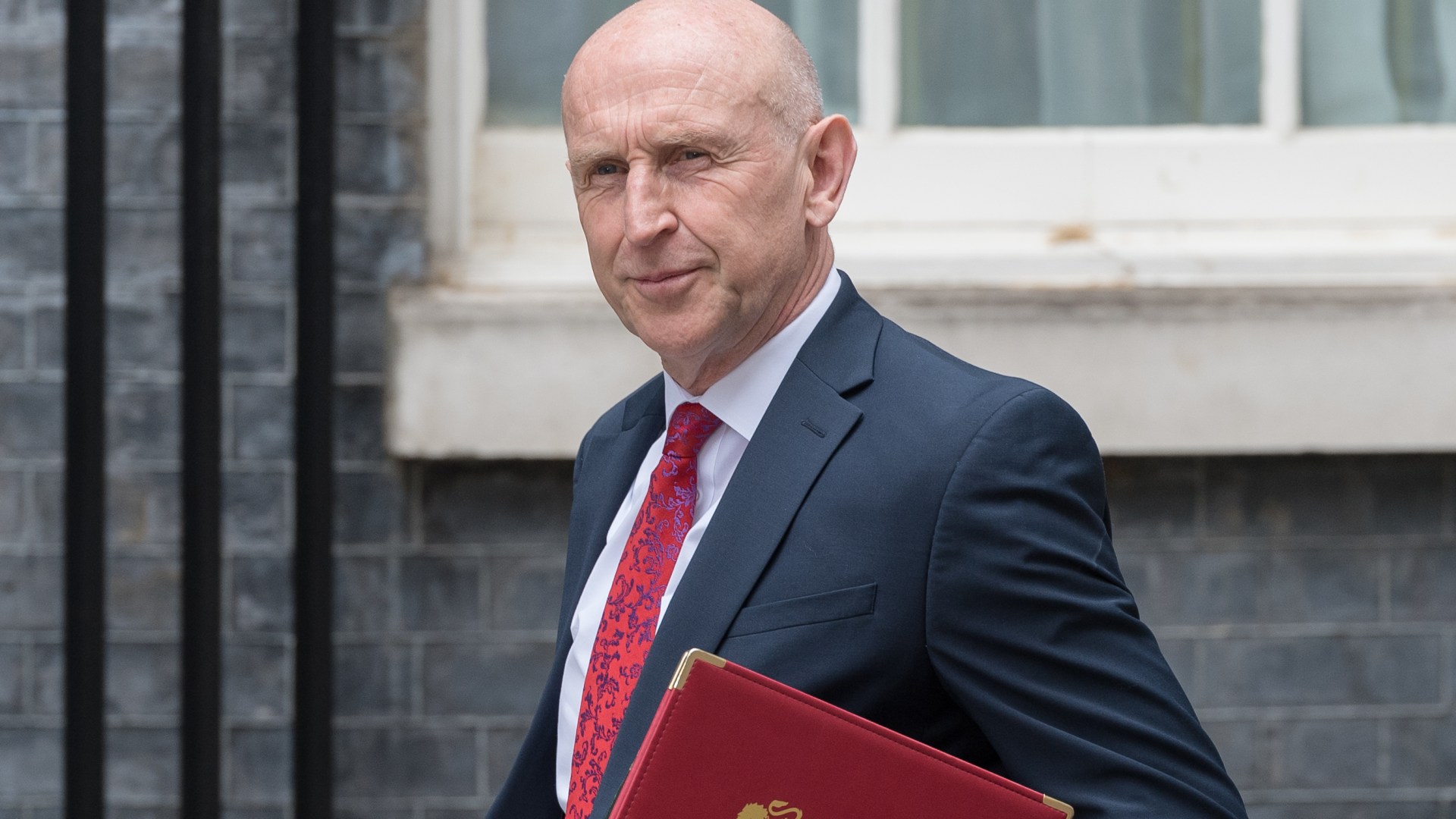
Chancellor John Healey was asked repeatedly today whether he could promise not to pile more tax onto households and businesses on October 28.
6
6
But he insisted he would not “speculate” before the Budget, saying he feared it would “only fuel more speculation”.
“It’s quite right, and every Chancellor will say, that’s for the Budget. And I’ll set out my plans and the future route for the Government, for this country, at that Budget,” he said.
It comes as economists said more than half of the Government’s £23.6billion Budget headroom has already been eaten up by soaring borrowing costs.
The yield on 30-year government bonds hit 5.91% last week, exceeding levels seen during Liz Truss’s 2022 Mini-Budget, while ten-year borrowing costs reached a post-financial crisis high.
Read more on Money
CASH CRASH
What the money market chaos could mean for YOUR cash from savings to pensions
KA-CHING
How to get FREE MONEY when you shop – hacks to save £100s using cashback
Experts now say Chancellor John Healey may need to raise between £9billion and £14billion at the Budget.
Despite Labour’s pledge not to increase income tax, National Insurance or VAT, ministers have other options. Here are the taxes at risk – and how to protect your money.
Get FREE tax guidance about inheritance, property and capital gains worth £250
* If you click on this link we will earn affiliate revenue
Are you sick of handing over your hard-earned cash to the taxman?
You could slash your tax bill legitimately with the right planning, from inheritance tax on your home to savings and pensions.
Award-winning financial advice firm Kellands Chartered Financial Planners are offering Sun Money readers a free one-hour consultation with their experts worth £250.
Kellands (Hale) Limited is authorised and regulated by the Financial Conduct Authority. FCA Firm Reference No: 193498
Capital Gains Tax
6
Capital Gains Tax (CGT) is a tax on the profit you make when you sell or give away an asset that’s increased in value.
For example, you might pay it when you sell an investment or a buy-to-let property.
Most read in Money
POUND SHOPPER
Big retailer selling items for as little as £2 amid plans to close 150 shops
HOUSE THAT
The 5 dated home features knocking £40k off your house price – how to fix it
FIXER UPPER
Cottage with asbestos & dry rot in celeb-filled town sold for astonishing price
WAGE RAGE
How to make sure your payslip is correct as thousands miss out on £689
The first £3,000 of gains each year is tax-free, but after that you pay 18% if you’re a basic-rate taxpayer or 24% if you’re in a higher tax band.
Mr Healey has previously floated the idea of bringing CGT rates closer to income tax rates.
This could mean paying as much as 40% or 45% on your investment profits instead.
Shaun Moore, tax and financial planning expert at Quilter, said a significant change like this would be “controversial”.
“Any move to further increase CGT rates, reduce reliefs or restrict allowances would have implications for investors, business owners and those planning major asset disposals, and would risk deterring the very people the Government is trying to encourage to invest,” he said.
You could reduce your tax bill by keeping your investments in a Stocks and Shares ISA.
An ISA acts as a tax-free shield around your savings and investments, protecting any interest, dividends or growth from being taxed.
You can put up to £20,000 a year into your Stocks and Shares ISA and it means you’ll be protected from CGT.
Property tax overhaul
6
A major property tax shake-up is expected to be announced in the Budget in October.
Andy Burnham has previously supported scrapping council tax and stamp duty in favour of a new system, and it’s thought the Chancellor will fall in line with this.
They could introduce either a proportional property tax or a land value tax instead.
A proportional property tax would see homeowners pay a flat 0.48% charge on their property’s value.
Campaign group Fairer Share, which is proposing the shake-up, claims 77% of households would benefit and save an average of £556.
But critics warn it could hit older homeowners and those in London and the South East hardest.
Meanwhile a land value tax would be an annual tax on the market value of land, tax on the market value of land.
Again, analysts have warned this would hit London and the Home Counties the hardest – potentially raising bills by thousands of pounds a year.
It’s also expected Mr Burnham and Mr Healey will push ahead with the ‘mansion tax’ announced in last year’s Budget by previous chancellor Rachel Reeves.
The tax surcharge means properties valued above £2million could be charged up to an extra £7,500 per year.
This all means that if you have a higher value home, your costs might increase.
Experts have said it will be difficult to introduce these reforms and it’s unlikely they will happen overnight.
It’s not worth making any drastic moves now, but you might want to keep your eye on this if you’re planning to buy or sell.
For example, you might want to consider whether you could afford to pay extra if you’re considering buying a high-value home.
Pensions
6
It’s broadly expected the Government will stick to previous plans to stop exempting pensions from inheritance tax.
Inheritance tax is a tax paid out on your property, money and possessions when you die, if it’s worth more than £325,000.
Under the plans, announced in last year’s Budget, unused pension funds and death benefits will be included in the value of a person’s estate for the first time.
It’s estimated this will drag another 10,500 estates into paying inheritance tax and increase the amount of tax paid by 38,500 estates by an average of £34,000.
You should start planning early to cut down on your inheritance tax bill, as you can cut down the size of your estate while you’re still alive.
For example, you could gradually gift money to your loved ones now rather than waiting to leave it in your will.
It’s also worth knowing that the tax-free threshold rises to £500,000 if you’re leaving your main home to children or grandchildren.
Mr Rickman said he hopes pensions are mostly left alone in this Budget as “constantly meddling with the rules and eroding the tax advantages runs a very real risk of disincentivising savers”.
Income tax
6
Income tax is a tax on the money you earn from your wages or self-employment, as well as any rental income, savings interest or pensions you have.
It’s paid out on income above the personal allowance, which is £12,570 per year.
You pay the basic rate of 20% on up to £50,270 of earnings, and then the higher rate of 40% on anything between that and £125,140.
The additional rate of 45% is charged on earnings over £125,140.
Income tax bands have been frozen since 2021.
Sarah Coles, head of personal finance at AJ Bell, said: “It means that if Healey says nothing about the thresholds, pay rises will drag more people into paying income tax and more into paying bigger bills.”
She said crossing an income tax threshold could also cause you to pay more in CGT.
Plus, when you cross into a new tax band your personal savings allowance protecting you from paying tax on your savings interest drops.
At the higher rate, your tax-free threshold drops from £1,000 to £500, and at the additional rate you lose it altogether.
In what would be a huge boost for households, there are signs the Government could unfreeze the UK’s tax thresholds.
Mr Burnham previously hinted at this, saying it was “the thing I heard most on the doorsteps” during the Makerfield by-election.
However, some experts believe Mr Burnham’s Government could introduce a 50% income tax rate.
RECOMMENDED STORIES
This could replace the current 45% higher rate of income tax and would see someone earning £150,000 pay around £1,250 more in income tax per year.