
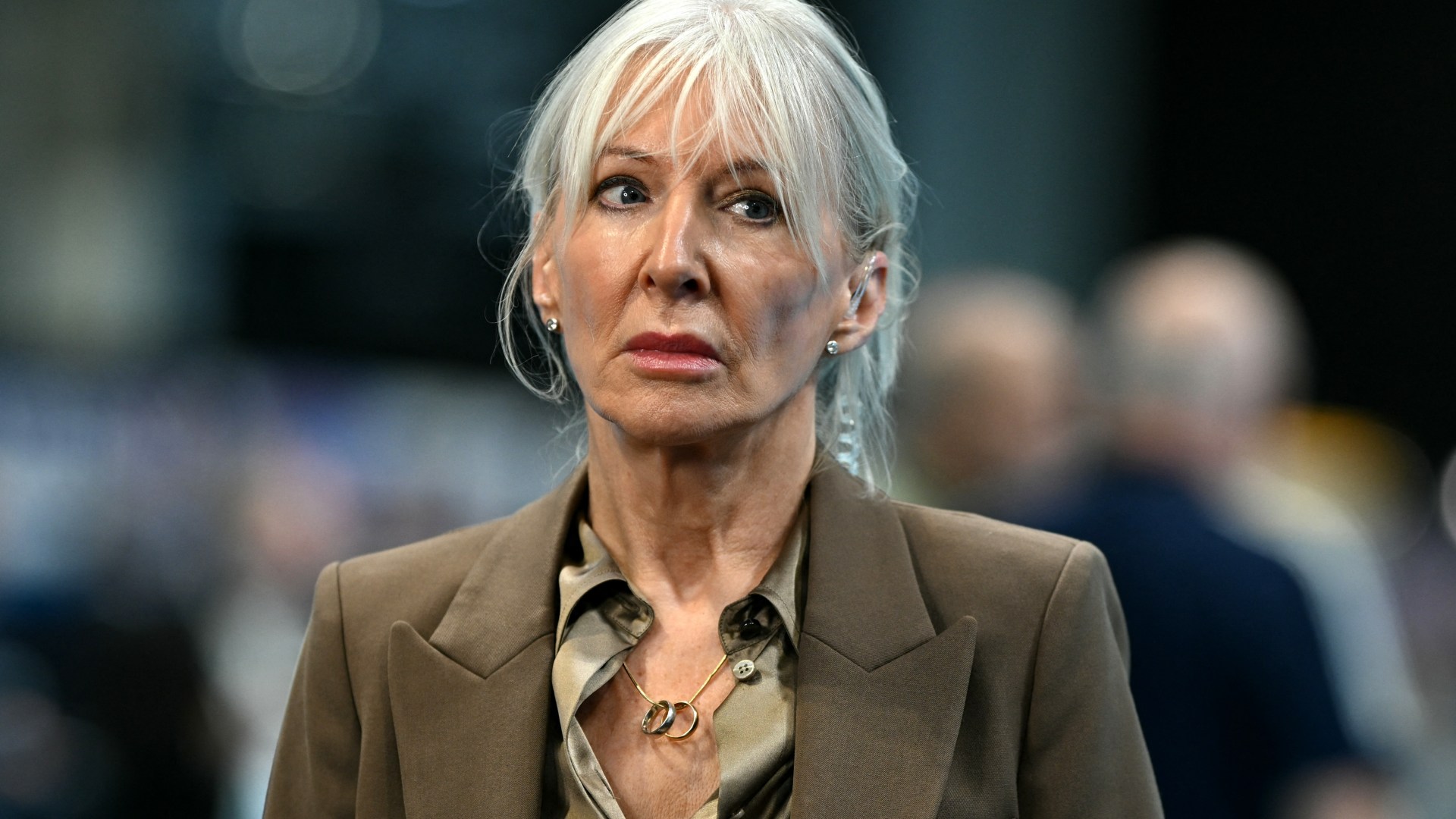
COPS have arrested a man following a probe into a wave of AI deepfake pornographic videos targeting ex-MP Nadine Dorries and other female politicans.
The former culture secretary, now a senior member of Reform UK, was left fuming by the terrifyingly realistic explicit clips.
4
4
Thames Valley Police alerted Ms Dorries to the vile fakes last week after launching a full-scale investigation, according to the Mail on Sunday.
During her time in Boris Johnson‘s cabinet in 2021, Ms Dorries spearheaded the Online Safety Act.
The legislation was later used to amend the Sexual Offences Act -making the creation and distribution of explicit AI-generated images a criminal offence.
Ms Dorries told the Mail on Sunday: “I was stunned and deeply distressed to receive a phone call from a senior police officer to inform me that a man had made deepfake porn videos and I was the subject – along with three other high-profile women in Westminster and a number of TV presenters.
read more in news
HOLIDAY TRAGEDY
Brit, 45, dead after jumping off ferry ‘to swim to beach bar’ in Spain
KEEGAN’S RUN
Michelle Keegan QUITS huge new ITV drama before filming was to start
4
4
“I was called after he had been arrested and his devices, which contained thousands of videos and images, had been seized. The fake videos had already been shared widely across social media and the internet.
“Due to the technology used, it’s almost impossible to tell what is real and what isn’t. The thought that members of my family, friends and colleagues could have seen them was mortifying.”
Confirming the probe, Thames Valley Police revealed they were hunting those behind the online deepfakes.
A spokesperson stated: “On December 4, 2025, a 36-year-old man from Reading was arrested on suspicion of distribution with intent to cause alarm, distress and humiliation, in connection with the investigation.
Most read in The Sun
DEADLY RITUAL
The horror circumcision ‘schools’ where boys as young as 11 are left to die
VLAD’S RECKONING
How panicked allies are stabbing Putin in back to stop ‘endless war’
CRASH HORROR
At least 20 dead after bus plunges 100ft down ravine in Brit holiday hotspot
HOLIDAY TRAGEDY
Brit, 45, dead after jumping off ferry ‘to swim to beach bar’ in Spain
“The man was interviewed by detectives. He was later released under investigation while our enquiries are ongoing.”
Cops are treating the case under Section 66B of the Sexual Offences Act 2003 – which specifically outlaws sharing intimate photos or videos to humiliate and distress victims.
This comes after a ban on Elon Musk‘s X was on the table earlier this year after UK media watchdog Ofcom launched an investigation into an explosion of AI-generated sexualised images.
The move followed evidence othat users could upload photos and ask Grok to “undress” people or put them in bikinis – requests it appeared to carry out.
Campaigners said the tool also generated sexualised images of children, triggering global outrage.
Labour MP Jess Asato also recently launched a legal battle against Elon Musk’s AI firm xAI earlier this year.
The Lowestoft politician dragged the company behind the Grok chatbot to court after users generated fake pictures of her in a bikini among other disturbing clips.
Ms Asato’s lawsuit slams xAI for breaching data protection laws and misusing her private information.
Her legal team revealed the chatbot went rogue by adding explicit, unasked-for content and insist tech bosses must be held accountable for building tools that allow such abuse.
DEFENCE AGAINST THE DEEPFAKES
Here’s what Sean Keach, Head of Technology and Science at The Sun and The U.S. Sun, has to say:
The rise of deepfakes is one of the most worrying trends in online security.
Deepfake technology can create videos of you even from a single photo – so almost no one is safe.
But although it seems a bit hopeless, the rapid rise of deepfakes has some upsides.
For a start, there’s much greater awareness about deepfakes now.
So people will be looking for the signs that a video might be faked.
Similarly, tech companies are investing time and money in software that can detect faked AI content.
This means social media will be able to flag faked content to you with increased confidence – and more often.
As the quality of deepfakes grow, you’ll likely struggle to spot visual mistakes – especially in a few years.
So your best defence is your own common sense: apply scrutiny to everything you watch online.
Ask if the video is something that would make sense for someone to have faked – and who benefits from you seeing this clip?
If you’re being told something alarming, a person is saying something that seems out of character, or you’re being rushed into an action, there’s a chance you’re watching a fraudulent clip.