
The government has confirmed that new invasive species management plans are being prepared for Wicklow’s national park and nature reserve lands, as part of a wider shift in how the State responds to non-native plants that threaten upland habitats.
The commitment was outlined in a written reply to Wicklow TD John Brady, who sought an update on the national invasive species policy and the specific actions underway in the county.
The answer reveals that County Wicklow is emerging as a priority area for structured management, with the National Parks and Wildlife Service (NPWS) focusing on species that differ from the typical invasive plants seen elsewhere.
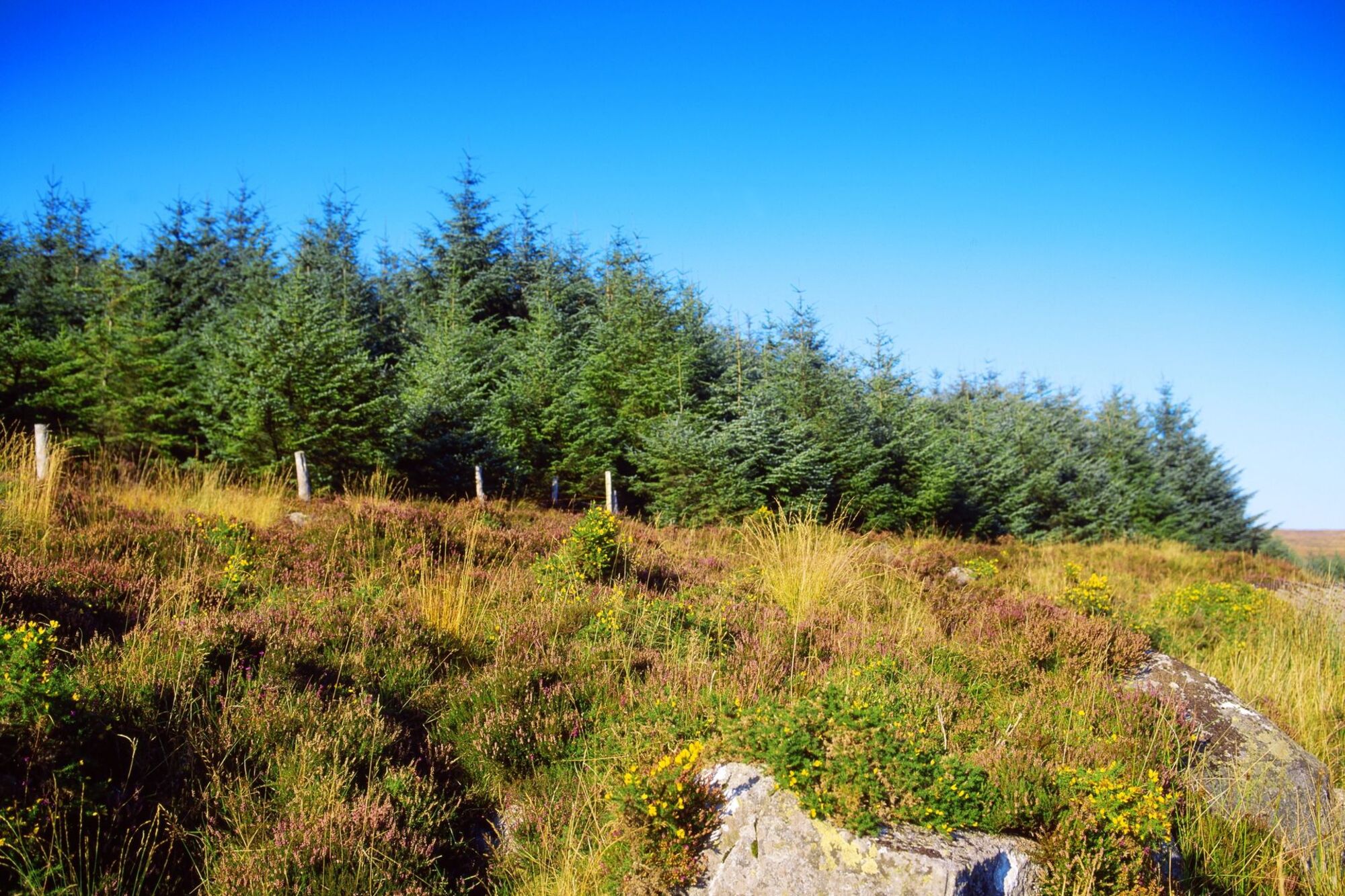
Junior minister Christopher O’Sullivan said the NPWS has been concentrating on cherry laurel and Sitka spruce in Wicklow, rather than Japanese knotweed or Rhododendron ponticum, which dominate invasive species work in other counties.
Laurel and Sitka spruce pose a particular threat to Wicklow’s upland ecology, especially heathlands, blanket bogs and native woodlands.
These habitats are already under pressure from climate change, recreational use and historic land management practices, and the spread of non-native trees and shrubs can accelerate their decline by shading out native vegetation and altering soil conditions.
The minister said NPWS teams have been working in recent years to reduce the presence and regrowth of invasive plants around Glen of the Downs Nature Reserve and Wicklow Mountains National Park.
Both sites have long been recognised as sensitive landscapes where invasive species can quickly take hold if left unmanaged. This work will now be supported by new woodland and invasive species management plans for NPWS owned lands in the county.
The update comes as the government begins to reshape its national approach to invasive species. In May, Mr O’Sullivan announced the creation of an Invasive Alien Species Bureau, a new partnership between the NPWS and the National Biodiversity Data Centre.
The bureau will coordinate national policy, improve data collection, support regulation and lead public‑awareness campaigns. It will also oversee the development of a National Invasive Alien Species Management Strategy, which will set out how Ireland intends to prevent new invasive species from becoming established and how existing outbreaks will be controlled.
While the bureau is national in scope, the written reply highlights Wicklow as one of the counties where NPWS is already implementing targeted measures. The junior minister said the priority in Wicklow is protecting native habitats from non-native plants that can outcompete indigenous species and damage ecosystem health.
However, Mr O’Sullivan said the Department does not have the resources or legal authority to carry out invasive species removal in urban areas or across the wider countryside.
That responsibility falls to local authorities, which must address invasive plants through their own biodiversity action plans. In Wicklow, this places the onus on the county council to deal with knotweed, Rhododendron and other species that affect towns, villages, roadsides and private lands.
The division of responsibilities means that Wicklow will see two parallel strands of invasive species management: NPWS focusing on laurel and Sitka spruce within national park and nature reserve boundaries, and the council dealing with species that affect built-up areas and transport corridors.
Funded by the Local Democracy Reporting Scheme