
Article content
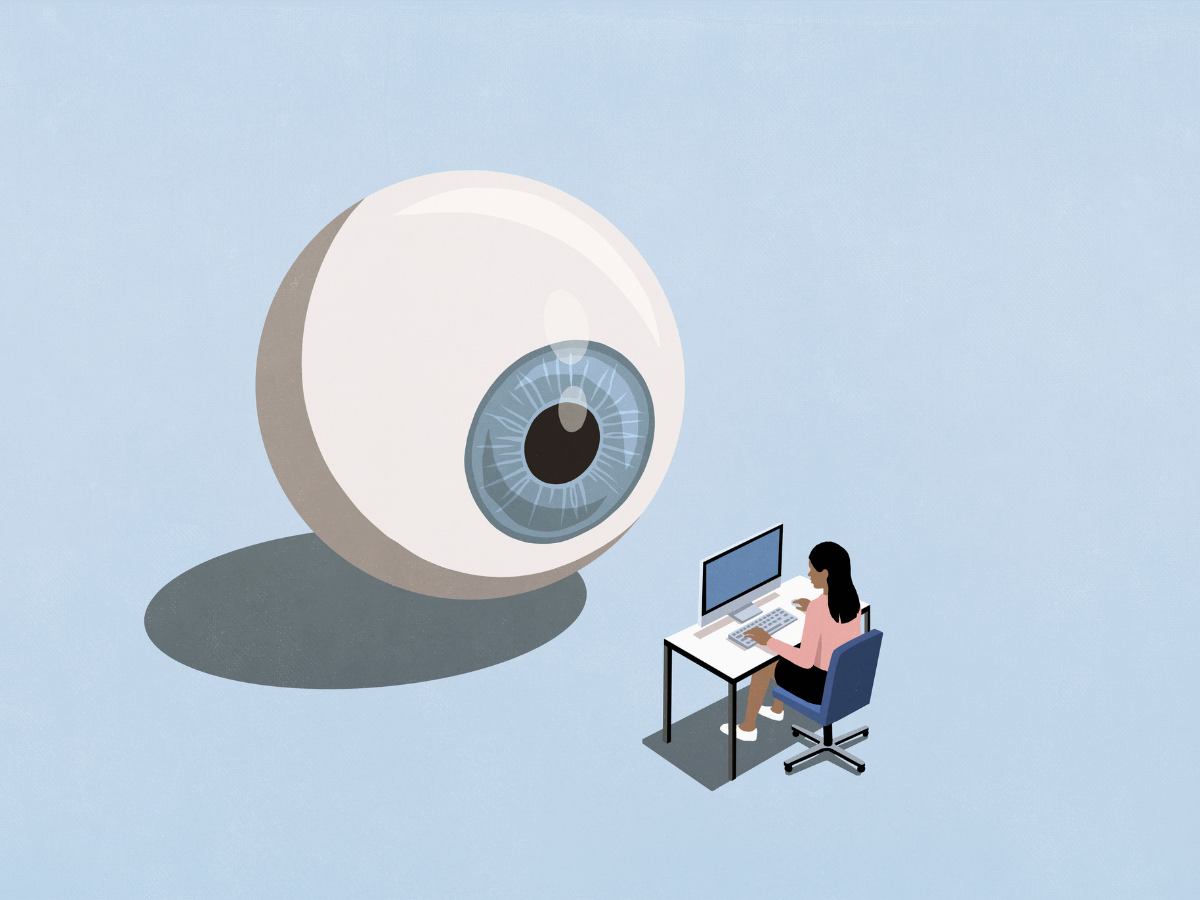
Employees are concerned about workplace surveillance. They are missing the point. What they should be concerned about is the delegation of management to algorithms.
Sign In or Create an Account
or View more offersArticle content
When TD Bank announced it would begin monitoring employees’ digital activity during the workday — tracking browser usage, messaging platforms and other applications — the backlash was immediate. Critics called it Orwellian. Employees complained they were being treated like children. Privacy advocates warned of “Big Brother.”
Article contentWe apologize, but this video has failed to load.Try refreshing your browser, or
tap here to see other videos from our team.We apologize, but this video has failed to load.Try refreshing your browser, or
tap here to see other videos from our team.Article content
Story continues below
This advertisement has not loaded yet, but your article continues below.
Article content
But everyone is arguing about the wrong issue.
Article contentArticle content
And it isn’t a legal one, since employers in Canada are largely allowed to monitor their employees.
Article content
The real issue is what happens when artificial intelligence begins making employment decisions based on what it observes.
Article content
That is a far more profound — and far more dangerous — development.
Article content
After decades practising employment law, I have lost count of the number of employees who have confidently told me, “My employer had no right to look at my computer.”
Article content
My response is usually disappointing.
Article content
If the computer belongs to your employer, if the network belongs to your employer and if you are being paid to work, your expectation of privacy is considerably lower than most imagine.
Article content
The Supreme Court of Canada has recognized that employees retain some limited privacy interests on workplace computers, but those interests are significantly reduced, or arguably extinguished, when employers have clear policies reserving the right to monitor their systems.
Article content
Most large employers do.
Article content
Ontario’s electronic monitoring legislation has done little to change that reality. Companies with 25 or more employees must disclose whether they electronically monitor their workers and describe the circumstances in which they do so.
Article content
Story continues below
This advertisement has not loaded yet, but your article continues below.
Article content
That sounds like meaningful protection.
Article contentRead More
- When a disability such as addiction won’t shield employees from being terminated for cause
- Howard Levitt: RBC pays high price for wrongful dismissal of financial adviser
- Story continues belowThis advertisement has not loaded yet, but your article continues below.
Article content
It isn’t. The law requires disclosure, not restraint.
Article content
An employer may lawfully tell employees that their emails, internet activity, Teams messages, swipe-card entries, GPS location on company vehicles and periods of keyboard inactivity are all being monitored. Having disclosed that, the legislation imposes remarkably few substantive limits.
Article content
Employees often confuse notice and consent. The law does not.
Article content
Nor, for that matter, should employers mistake legality for wisdom.
Article content
For decades, workplace surveillance was largely investigative. Security cameras deterred theft. Swipe cards confirmed attendance. Email reviews mainly occurred after complaints, and monitoring was targeted toward answering specific questions.
Article content
Artificial intelligence has transformed surveillance into continuous evaluation.
Article content
Modern software no longer simply records what employees have done. It generates productivity scores. It compares employees with one another. It identifies behavioural patterns. Some systems claim to predict disengagement, burnout, absenteeism or even the likelihood that an employee will resign. Others rank employees for promotion or identify those who supposedly warrant discipline.