
We independently select everything we recommend. Buying through us may earn us a commission, which supports our work.
Article content
Tile is breaking out of the kitchen and bathroom. The familiar finish is moving into living rooms, bedrooms, home offices and entertaining spaces, proving its potential extends far beyond traditional wet zones. With an extraordinary range of colours, formats and tactile effects available, it can anchor a room, define its architecture or introduce a quiet layer of personality. Its durability adds another compelling advantage, meeting the growing desire for interiors that feel elevated yet can handle the realities of daily life.
Sign In or Create an Account
or View more offersArticle content
Story continues below
This advertisement has not loaded yet, but your article continues below.
Article content
“Used thoughtfully, tile becomes part of the architecture rather than simply a surface finish,” says interior designer Jessica Cinnamon. A full-height installation can emphasize ceiling height, while a tiled niche introduces depth without taking up valuable floor space. Even a restrained application can give a plain wall greater presence.
Article contentArticle content
Slavica Kovacevic, founder and owner of SS Tile & Stone Inc. is seeing porcelain specified more often in principal living areas. Wood-look styles capture the warmth and grain of hardwood while resisting moisture, stains and daily wear. They also work with radiant heating, providing underfoot comfort during colder months. That combination makes them well-suited to busy Canadian households, particularly in entryways, mudrooms, and laundry areas where tracked-in water and dirt are inevitable.
Article content
Fireplace surrounds have become another major design moment. Large-scale formats can run from hearth to ceiling with fewer grout lines, giving the feature a clean, monolithic appearance. Marble-inspired veining adds movement, limestone effects bring softness, and ribbed profiles create gentle shadow. The result can be bold or understated, depending on the material and how it is laid.
Article content
Story continues below
This advertisement has not loaded yet, but your article continues below.
Article contentArticle content
Cinnamon recalls a project in which one porcelain slab extended across the fireplace, adjoining the millwork and integrated shelving. “Rather than reading as tile, it becomes part of the home’s architecture,” she says. The uninterrupted treatment unified several elements into a single, cohesive feature, allowing the hearth to anchor the room without looking overly decorated.
Article content
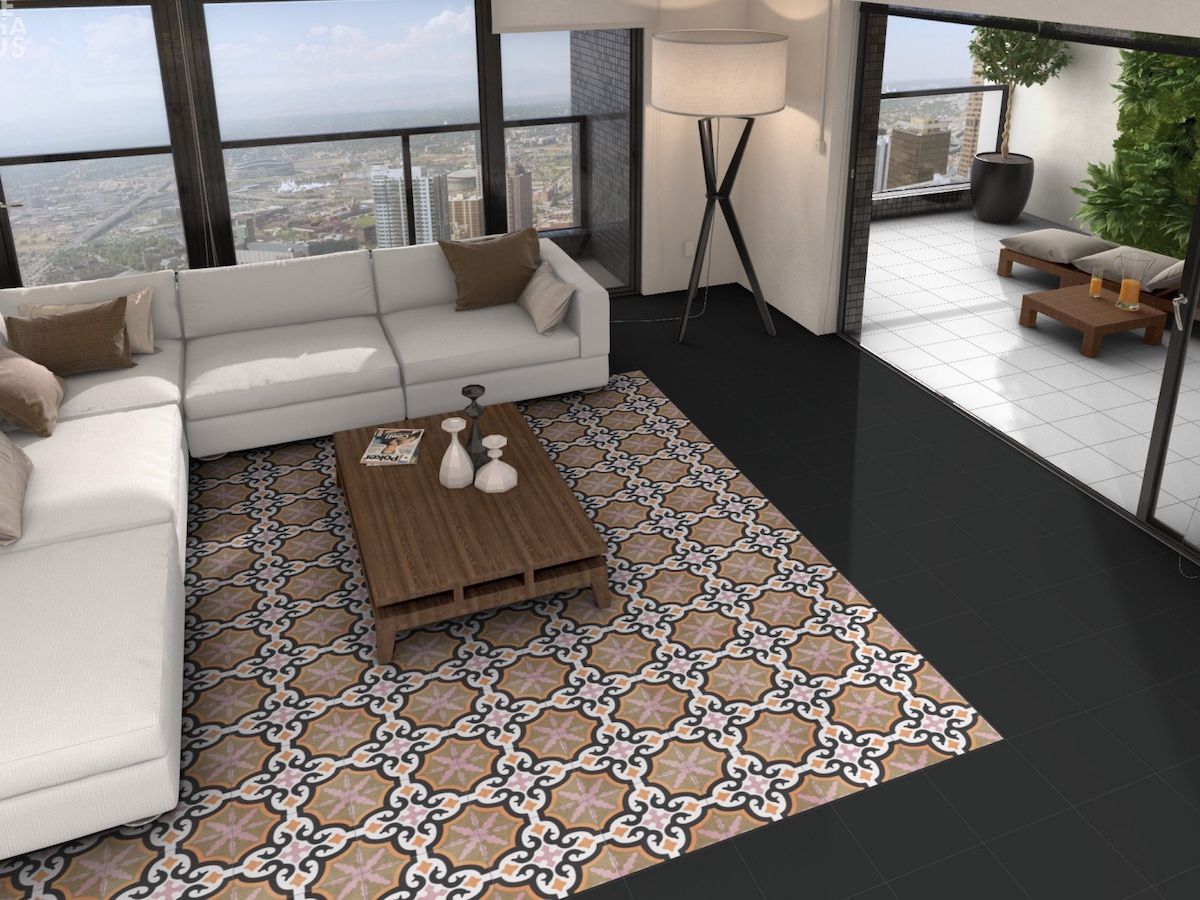
There are equally inventive opportunities on a smaller scale. A patterned backsplash can distinguish a home bar, dimensional ceramics can animate an entertainment wall, and an inset panel can turn a forgotten alcove into a deliberate detail. In open-concept layouts, a change in format, orientation or colour can mark the transition between an entrance, dining area and lounge without adding a wall. Used sparingly, these moments define while preserving a sense of flow.
Article content
The latest looks favour warmth over high drama. Soft greiges, sandy beiges, earthy browns and muted creams are replacing the cool grey palettes of previous years. Stone-inspired surfaces remain popular, but the direction is gentler, with subtle marble veining, chalky limestone effects and richly layered interpretations of travertine and quartzite.