
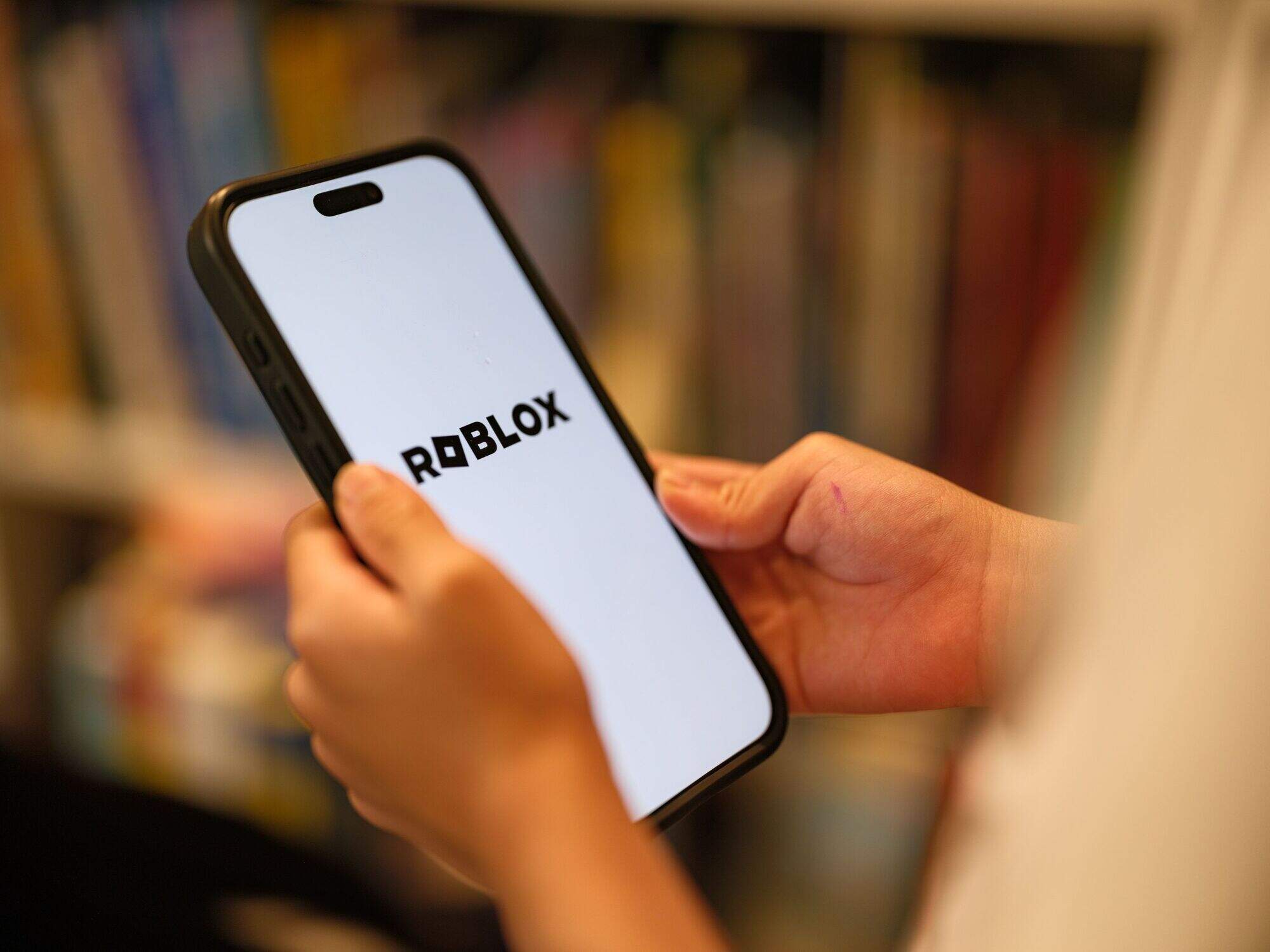
Are you on Roblox? If you don’t understand the question and you’re a parent, that’s a problem.
Roblox is the latest social platform popular with children because they can play literally millions of games created by users themselves, interact with their friends and design their own virtual playground.
The popularity of the platform, particularly among pre-teens, shows how the online environment is constantly evolving.
Nearly 70pc of eight- to 12-year-olds are using Roblox, making it the most popular platform for younger children. Yet it is not in the highest-risk regulatory tier, along with other social media sites.
And here is the catch. One in four children have negative experiences online. Of the cohort aged eight to 12, 58pc named Roblox as the place where this happened, a study by online charity CyberSafeKids found.
The report questions if EU regulation is keeping pace with where children spend their time, “and changes made by Roblox earlier this year do not go far enough in protecting children from bad actors and unsuitable content”.
Indeed, it seems little has changed in the online environment in the past year since new rules came into place, with 70pc of eight- to 12-year-olds still having accounts on social media apps where the age limit is supposed to be over 13.
Since last summer, video-sharing platforms must have proper age verification systems in place. The Online Safety Code, created by Coimisiún na Meán, apparently forced the major social media sites like Instagram, Facebook, TikTok and X to protect users from harmful content.
Cyber bullying, the promotion of self-harm, suicide, eating disorders or dangerous challenges, pornography and violence were all on the list of offending content. Yet the CyberSafeKids report is ominously titled “The year little changed”.
Speaking at the Kennedy Summer School in Wexford last week, Sinéad McSweeney, former managing director of Twitter’s international headquarters in Dublin, spoke of the challenges of protecting children online.
“The question is no longer whether technology is part of childhood – it clearly is – but whether we have the right protections, education, regulation and responsibilities in place to ensure children can benefit from technology without being exposed to unacceptable harm,” she said.
The safety protocols brought in a year ago were supposed to offer peace of mind to parents that regulators would force the hand of the social media and tech giants.
Yet the experiences of children quoted in the CyberSafeKids report shows those at a vulnerable age are not being protected.
“I’ve been sent death/self-harming threats saying I will hurt myself if you don’t do this, or I will kill myself if you don’t do this, or people telling me to kill myself or them telling me to cut deeper or for me to self-harm when I already struggle with it,” a 12-year-old said.
The CyberSafeKids report asks: “The era of self-regulation for Big Tech is over. We have heard this repeatedly in recent years from politicians and regulators both in Ireland and across Europe, but is it actually true?”
It is a rhetorical question.