
Article content
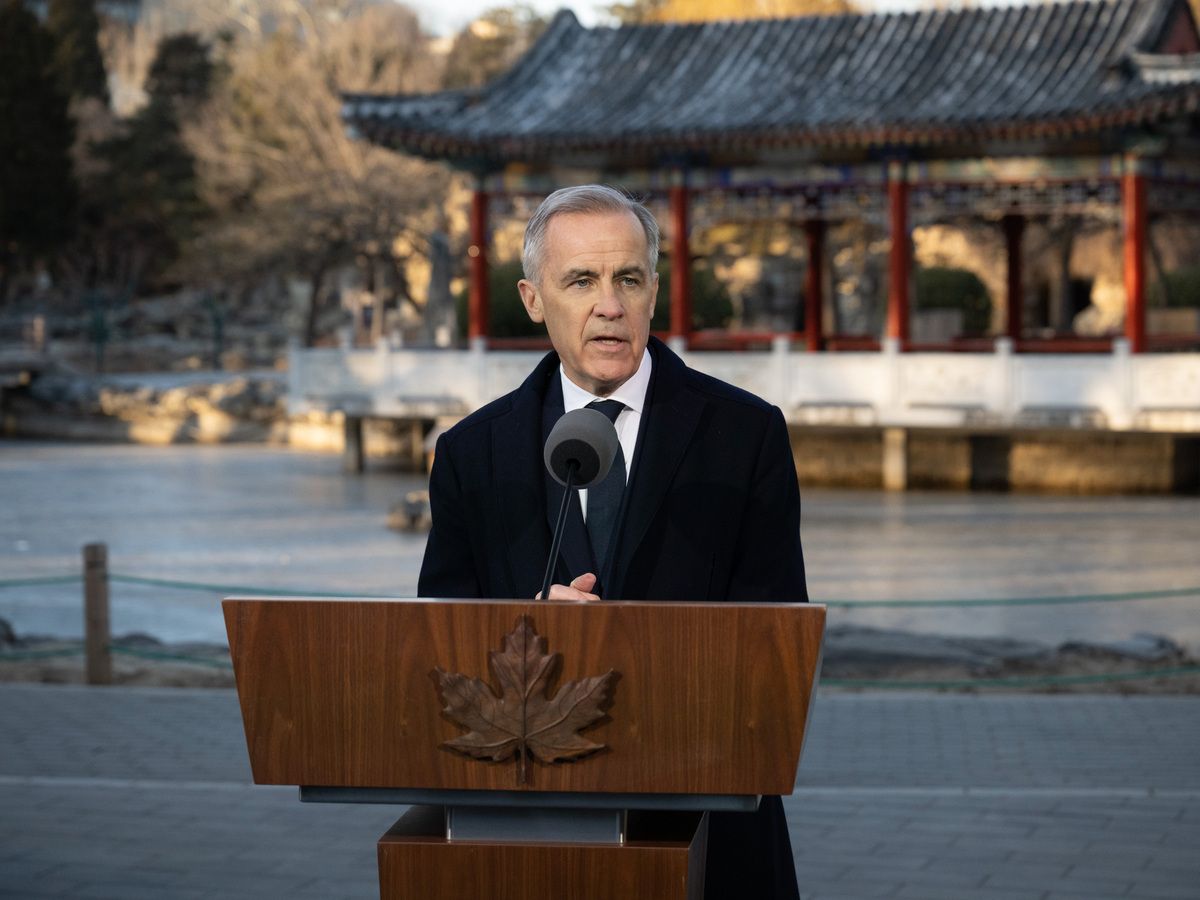
Prime Minister Mark Carney is responding to Donald Trump’s tariffs as though Canada’s economic problems began when Trump imposed them. They didn’t. Trump exposed Canada’s economic vulnerability. He didn’t create it.
Sign In or Create an Account
or View more offersArticle content
For decades, Canada has failed to build enough globally important companies, intellectual property and entrepreneurial infrastructure to give itself real economic leverage. Now we’re fighting an economic war and discovering that many of the weapons we need take years to build.
Article contentWe apologize, but this video has failed to load.Try refreshing your browser, or
tap here to see other videos from our team.Article content
Story continues below
This advertisement has not loaded yet, but your article continues below.
Article content
We need to think about what true economic independence means. Canada should not aim merely to be less reliant on the United States. We should aim to be indispensable to the world. The strongest form of economic sovereignty is not isolation. It is having innovations, products, resources and technologies that other countries compete to obtain.
Article contentArticle content
Carney’s language is clearly stronger than Justin Trudeau’s. Canada will stand up for itself, build, diversify and become more independent economically. That’s all good. But Trudeau also spoke constantly about innovation, attracting investment, growing Canadian businesses and building an economy for the future. Yet that hasn’t happened.
Article content
The reason, of course, is that speeches don’t create economic capacity, entrepreneurs do.
Article content
Economic sovereignty is built long before a trade negotiation begins. It happens when someone starts a company in Toronto rather than moving it to Silicon Valley. When that company can raise enough capital to remain Canadian. When it scales from 100 employees to 10,000. When its founders become investors and finance the next generation. When Canadian companies own technology, brands, intellectual property, manufacturing capacity and supply chains that the rest of the world actually needs.
Article content
Story continues below
This advertisement has not loaded yet, but your article continues below.
Article content
For years, our weakness was relatively easy to ignore. Canada enjoyed privileged access to the largest economy in the world. Economic integration worked extraordinarily well. Then Trump changed the equation. Carney is right to negotiate aggressively, diversify our trading relationships and retaliate where strategically necessary. But firm retaliation shouldn’t be confused with economic strength.
Article contentRead More
- Matthew Lau: Turns out getting things’ names right isn’t that hard
- Opinion: Anger with Trump won’t solve our economic problems
- Story continues belowThis advertisement has not loaded yet, but your article continues below.
Article content
Canada has to fight on two fronts: defending our interests today and fundamentally changing the environment for people willing to build tomorrow. We don’t need Ottawa dreaming up even more tax subsidies, credits and special programs for entrepreneurs — who spend too much time already figuring out the rules and navigating the course.
Article content
We do need a globally competitive and simpler tax system that lets ambitious Canadians focus, build and compete. And we need to remove the frictions with faster approvals, fewer interprovincial barriers, easier access to global talent and regulations designed with the ambition of creating global companies rather than merely regulating domestic ones.