
Article content
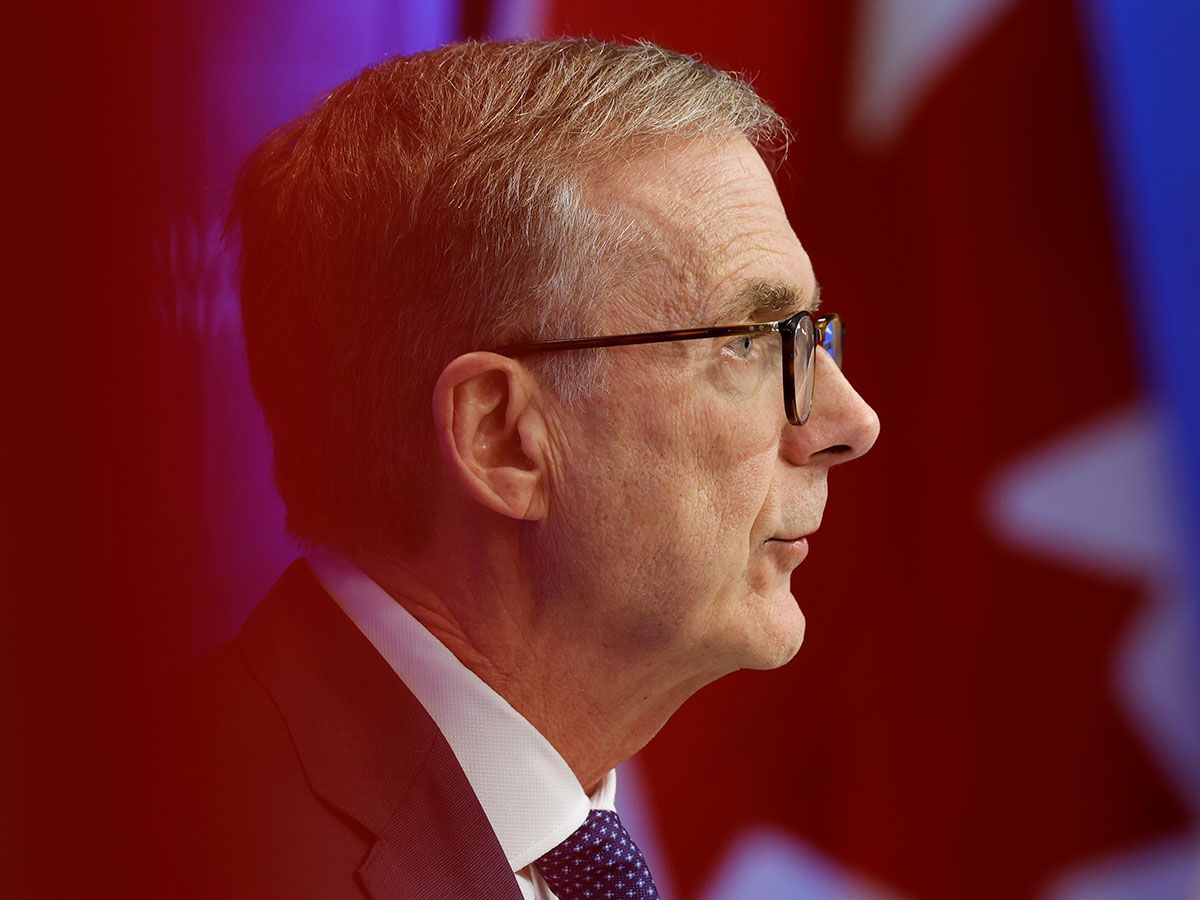
The Bank of Canada on Wednesday held its key interest rate at 2.25 per cent for the seventh consecutive time, which was widely expected by economists due to the ongoing uncertainty from rising trade tensions and renewed hostilities in the war on Iran.
Sign In or Create an Account
or View more offersArticle content
“Since our last decision in July, the conflict in the Middle East has persisted without a clear path to resolution. Closer to home, the United States has imposed new tariffs on Canadian exports, and the Canadian government has responded with proportionate counter-tariffs and new supports for hard-hit businesses and workers,” Bank of Canada governor Tiff Macklem said in prepared remarks.
Article contentWe apologize, but this video has failed to load.Try refreshing your browser, or
tap here to see other videos from our team.We apologize, but this video has failed to load.Try refreshing your browser, or
tap here to see other videos from our team.Article content
Story continues below
This advertisement has not loaded yet, but your article continues below.
Article content
“With recent data coming out largely in line with our July forecast, we decided to maintain the policy interest rate at 2.25 per cent.”
Article contentArticle content
Read the Bank of Canada’s official statement
Article contentArticle content
The central bank’s decision follows trade negotiations between Canada and the U.S. breaking down at the last minute, which led to the implementation of Section 338 tariffs on Aug. 22. Canada announced “dollar-for-dollar” tariffs on approximately $27.6-billion worth of U.S. goods in response, which will come into effect on Sept. 8 if negotiations don’t resume.
Article content
The hold also comes after Canada’s inflation rate edged up to three per cent in July due to higher gasoline prices as the blockade of the Strait of Hormuz drags on. Core inflation also rose slightly in July, but remained relatively stable, with CPI-median hovering at two per cent while CPI-trim was 1.9 per cent.
Article contentArticle content
Macklem said that even though economic growth in Canada has picked up after stalling over the past year, the elevated uncertainty from the trade war has called the sustainability of the rebound into question.
Article content
The ongoing conflict in the Middle East has also kept energy prices higher for longer, which has increased upside risks for the central bank’s inflation outlook.
Article content
Story continues below
This advertisement has not loaded yet, but your article continues below.
Article content
“Monetary policy cannot offset the effects of tariffs or influence global energy prices. What we can do is ensure global developments don’t jeopardize price stability in Canada,” Macklem said.
Article contentRead More
- Read the Bank of Canada’s official statement
- How Canada’s counter tariffs will pile more pain on the economy
- Story continues belowThis advertisement has not loaded yet, but your article continues below.
Article content
“Governing council will assess the sustainability of the economic rebound and the outlook for inflation, and is prepared to adjust monetary policy as needed. The bank remains committed to maintaining Canadians’ confidence in price stability through this period of global upheaval.”
Article content
More to come…
Article content
• Email: [email protected]
Article content