
Article content
“It’s a great time to be a Liberal in Canada.”
Sign In or Create an Account
or View more offersArticle content
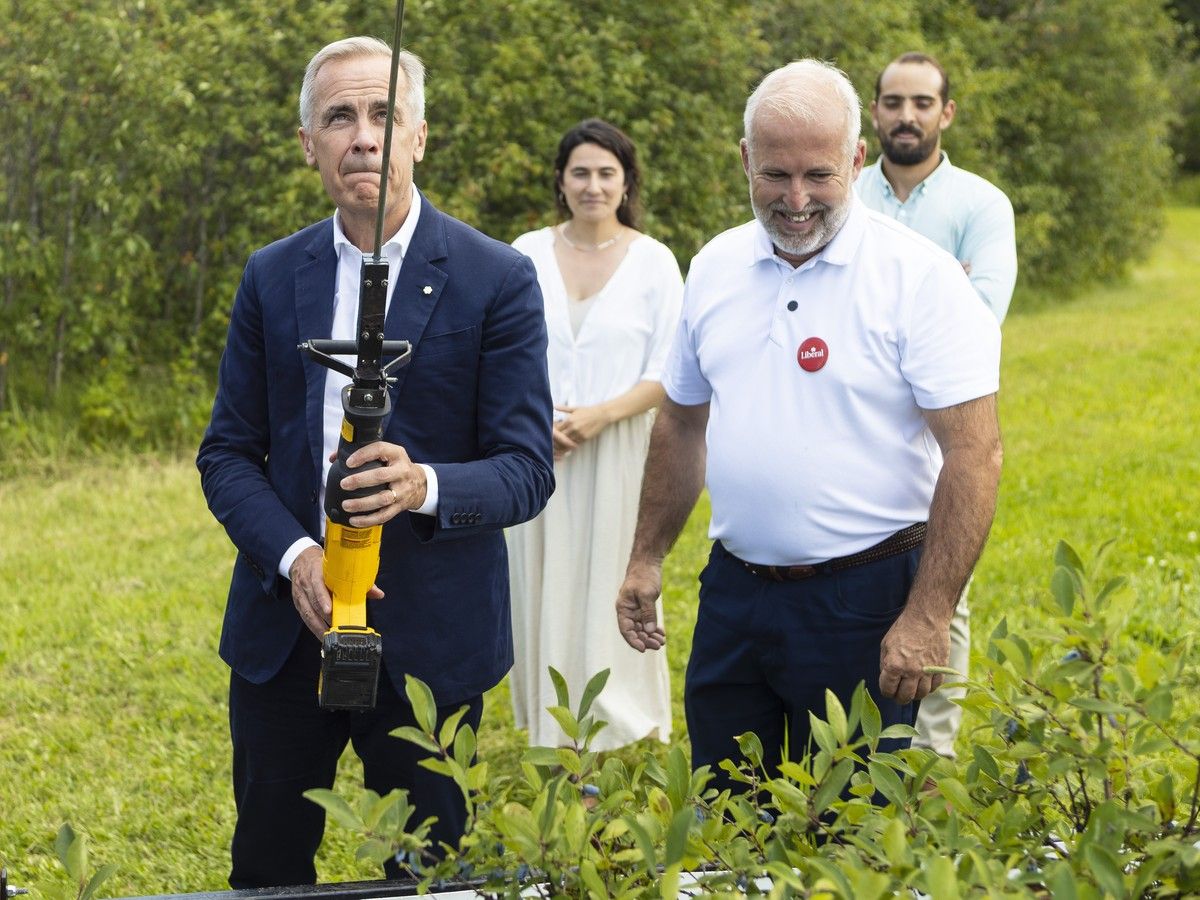
Those were the words of a smiling Tanveer Shahnawaz, the Liberal candidate in Beaches—East York, celebrating his victory Monday night. They may also be the political understatement of the year. Shahnawaz was one of three Liberals who swept Monday’s federal by-elections, winning his Toronto riding with 56 per cent of the vote. The party also held North Vancouver—Capilano in B.C. and took Chicoutimi—Le Fjord from the Conservatives in Quebec.
Article content
Recommended Videos
We apologize, but this video has failed to load.Try refreshing your browser, or
tap here to see other videos from our team.We apologize, but this video has failed to load.Try refreshing your browser, or
tap here to see other videos from our team.Article content
Story continues below
This advertisement has not loaded yet, but your article continues below.
Article content
That last victory matters most. Chicoutimi—Le Fjord had been held since 2018 by Conservative MP Richard Martel, who Prime Minister Mark Carney appointed to the Senate in July. The contest was expected to be a tough battle between the Liberals and the Bloc Québécois. Instead, Liberal Daniel Gobeil won handily with 51 per cent of the vote, the Bloc got 33 per cent, and the Conservatives collapsed to 13 per cent.
Article contentArticle content
Gobeil’s candidacy was a clever play in a region that has been hard hit by U.S. tariffs. The former head of Quebec’s milk producers entered politics just as the trade war came to a boil, with Canada’s dairy supply management system on the front burner. Monday night, Gobeil declared that the Liberals’ wins helped “maintain Canadian unity.”
Article content
Therein lies the particular — and familiar — genius of the Liberals’ strategy.
Article content
As Canada goes elbows-up in response to U.S. President Donald Trump, the Liberal Party is steadily identifying its brand with the nation itself. It’s a page from a very old Liberal playbook: Lester B. Pearson gave Canada the red-and-white Maple Leaf flag in the 1960s, while Pierre Trudeau championed official bilingualism and multiculturalism in the 1970s. Over generations, Liberal governments successfully conflated Canadian identity with party colors, symbols, policies, and institutions, cementing their reputation as Canada’s “natural governing party.” Carney is now pulling off the 21st-century version, with Trump supplying copious amounts of glue.
Article content
Story continues below
This advertisement has not loaded yet, but your article continues below.
Article content
The biggest losers Monday night were therefore the Conservatives. No one expected them to win Beaches–East York, but they captured just 15.5 per cent of the vote there, while the NDP tripled their vote share to 26 per cent. But Chicoutimi–Le Fjord was far worse, losing a seat they had held for eight years, and handing Bloc Leader Yves-François Blanchet a devastating, if obvious, line: Canada might have a two-party system of Liberals and Conservatives, but Quebec has one between the Liberals and Bloc.
Article contentRead More
- Marc-Olivier Fortin: Quebec goes ‘elbows up’ — CAQ could ride anti-Trump voters to victory
- Michael Higgins: Trade war was never about sovereignty
- Story continues belowThis advertisement has not loaded yet, but your article continues below.
Article content
The results follow more grim numbers for Conservative leader Pierre Poilievre. A Liaison Strategies poll released Monday put the Liberals at 46 per cent and the Conservatives at just 29 per cent, their lowest level in the pollster’s tracking. That will inevitably revive questions about Poilievre’s leadership just as Parliament prepares to return.
Article content
But Monday’s results may have implications beyond Ottawa. In Quebec, the Trump effect could breathe life into a party that only months ago was the walking dead: the Coalition Avenir Québec.
Article content
Like Ontario Premier Doug Ford in the provincial election in 2025, and Carney in the federal race that same year, CAQ leader Christine Fréchette has made Trump a central character in her campaign, calling him her “real adversary.” Even more remarkably, the leader of a party created to transcend the federalist-sovereigntist divide is making a baldly federalist appeal: faced with an unpredictable and hostile United States, Quebec is safer within Canada — and the CAQ is the best party to stave off the separatist designs of the Parti Québécois.