
Article content
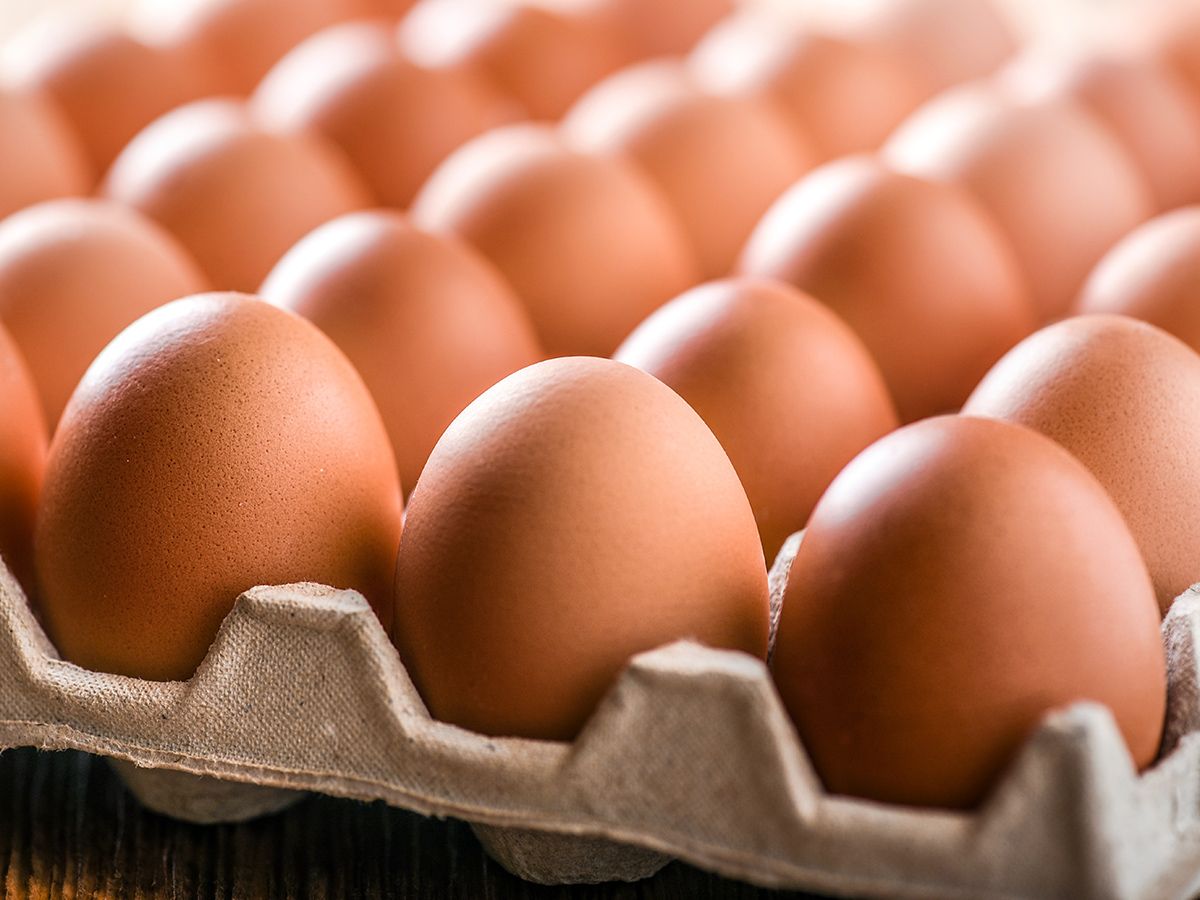
A classic set-piece political controversy is playing out yet again in Quebec. There are eggs from Donald Trump’s United States! Dozens and dozens of them! On Canadian supermarket shelves!
Sign In or Create an Account
or View more offersArticle content
But here we are in 2026, “in the middle of a full-blown trade war,” TVA Nouvelles reported the other day, and “American eggs are flooding Quebec supermarkets.”
Article content
Recommended Videos
We apologize, but this video has failed to load.Try refreshing your browser, or
tap here to see other videos from our team.We apologize, but this video has failed to load.Try refreshing your browser, or
tap here to see other videos from our team.Article content
“Several Quebecers who were happy to have paid $2.99 for their dozen (large) eggs at Maxi last week were disappointed once they got home when they found that the eggs came from the United States,” we read. (Maxi is a discount supermarket chain under the Loblaw umbrella — essentially Quebec’s version of No Frills.)
Article content
Story continues below
This advertisement has not loaded yet, but your article continues below.
Article content
TVA did not name or interview anyone who was thusly disappointed, though it did say the network had received several emails.
Article contentArticle content
It all seems unbelievable, I know, especially in this day and age. But it’s true. Again. Just like it was true in 2025, and just like it was true in 2024 when similar stories about American egg imports surfaced in Quebec. Canadian egg colossus Burnbrae Farms explains on its website: “On rare occasions, the available supply of eggs cannot meet the demand from our customers and on these occasions we will import eggs from the United States … This (usually occurs) in high-demand times such as Easter, Thanksgiving and Christmas.” Maybe Labour Day is one of those times.
Article content
Eggs are protected by Canada’s supply-management system. And if you thought supply management was supposed to be “a system that balances supply and demand … through production setting (quota), price setting and import control as a means of avoiding overproduction and underproduction” (my italics), well, I can’t really blame you. That’s precisely what it says on the Farm Products Council of Canada’s website, after all. But as a well-to-do hip-replacement candidate might say, the U.S. is always there in a pinch.
Article content
Story continues below
This advertisement has not loaded yet, but your article continues below.
Article content
No doubt there are at least a few hundred Canadians who care very deeply about the provenance of their eggs. I would expect such people to be quite knowledgeable egg shoppers. And I would have thought the first thing that would tip off a knowledgeable egg shopper that something was a bit special about these eggs — if it not the “USDA A Grade” stamp on the carton — would be the fact they only cost $2.99.
Article contentRead More
- Chris Selley: We could have just ignored Trump’s ‘Lake America’ trolling
- Chris Selley: On Canada-U.S. trade negotiations, what are we even doing?
- Story continues belowThis advertisement has not loaded yet, but your article continues below.
Article content
Alas, that’s not a Canadian price for a dozen eggs. Walmart in Montreal wants a minimum of $4.08 for a dozen large Canadian eggs. Only if you buy 30 at a time you can match the Yankees’ per-egg cost. No, $2.99 is more like an American price for a dozen eggs, though you can find them considerably cheaper in the U.S., even once you convert to Canadian dollars. (For the record, you can buy a pack of large Canadian eggs at Maxi for $3 — but you only get six of them.)
Article content
Obviously eggs that cross the border, like all other agricultural products, must be certified safe according to Canadian standards. None of this angst makes any sense in any context except for the trade war with Washington. And a trade war with Washington necessarily makes less sense if you’re struggling to feed yourself or a family. Food inflation in Quebec from 2019 to 2025, total, was 31 per cent. Food bank usage has soared, as it has in many provinces.