
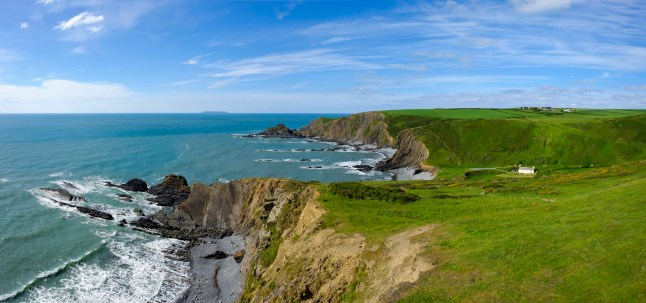
When we think of a British island getaway, spots like the Isle of Wight or Skye often take centre stage.
But scattered around the UK are dozens of lesser-known shores where time moves a little slower, traffic gives way to wildlife, and peace and quiet are guaranteed.
From tiny communities to tidal havens rich in history, Metro has rounded up five of the best smaller islands to escape to.
Lindisfarne
Imagine visiting a place where the journey itself becomes part of the adventure.
Located by the coast of Northumberland, this island is cut off from the mainland twice a day by the rising tide, making timing essential for a visit.
Known as Holy Island, Lindisfarne has been a place of Christian pilgrimage for centuries, after Saint Aidan founded his monastery on the island in 635AD.
With a population of around 150, the island is a place of tranquillity and worship, with options for guided walks and cycling routes for visitors to explore.
Holy Island has an exciting range of wildlife too, as part of the Lindisfarne National Nature Reserve, with protected tidal mudflats, salt marshes and dunes.
The island may be small, but visitors still have a range of cafés, such as Pilgrim’s Coffee House and Roastery, which roasts its own beans on-site, as well as other eateries, such as Chare Ends Cafe, The Manor House Hotel, and Tidal Takeaway for fish and chips.
Because the ancient causeway completely submerges at high tide, checking the daily tide tables before setting off by car is essential for planning your trip and arriving safely back on dry land.
Last week Arthur and I spent the day on Holy Island, one of my favourite places to go if we are staying up in Northumberland and the tide times work. Here’s a mini guide to the basics of the island, things to do and info worth knowing: 🚨 Check the daily tide times on Northumberland Council website before crossing the Causeway – don’t take risks! Cafes, pubs and business hours coincide with this too 🅿️ Parking is at Holy island car park TD15 2SE, Pay by Phone app code 804140 🗺️ See and do: 🏰 Lindisfarne Castle – National Trust adult tickets £14.30, child £7.20, family passes available 🛶 Holy Island harbour, beach and the upturned fishing boats 🎟️ Lindisfarne Priory Ruins and Museum – English Heritage site – £9.54 adult, £4.72 child, family passes available 🔭 Lookout Tower – free 🛟 Old Lifeboat House – free 🍇 St Aidans winery, home of Lindisfarne Mead 793 Spirit & Soul shop ☕️ Cafes Pilgrims Cafe – my favourite and ice cream shop next door Chare Ends cafe The Island Shack The Causeway Cafe 🍻 Pubs and beer gardens The Ship Inn Crown & Anchor #holyisland #lindisfarne #lindisfarnecastle #northumberland #visitnorthumberland
Lundy
Stretching five kilometres long by the Bristol Channel, Lundy feels worlds away from modern life.
With no cars, a population of just 28 people, and a landscape managed by the Landmark Trust, this North Devon hideaway is a haven for wildlife.
It became England’s first Marine Nature Reserve in 1986 and is known for its breeding puffins, sika deer, wild goats, and native Lundy ponies.
After a day of nature watching, visitors can gather at the Marisco Tavern, the island’s single pub, to refuel on locally made pasties while soaking up the warm community atmosphere.
TripAdvisor users praise its ‘fabulous atmosphere’ and ‘reasonable prices,’ which is handy, as there aren’t any other options for a pint or lunch, unless you buy a picnic from the Landmark Trust shop.
For those seeking a day trip, there are sailing day return tickets from £59 for adults, while children cost £30, and those under four go free. The MS Oldenburg sets off from either Bideford or Ilfracombe, with the crossing taking about 2 hours each way.
Or, if you prefer, you can take a helicopter over, but this is significantly more pricey (and less frequent), at £184 for those over 16, £54 for children, and £25 for those four and under.
📍Lundy Island, Devon A 3-mile-long island in the Bristol Channel, just 12 miles off the North Devon coast. England’s first Marine Nature Reserve, offering stunning views, dramatic cliffs, historic landmarks and an abundance of incredible wildlife! 🦭🌊 #traveltok #ocean #sealtok #lundyisland #devon
Herm
With a population of 60, and measuring just one and a half miles long, Herm is the smallest of the inhabited Channel Islands open to the public.
Free of cars, which are banned, it boasts pristine turquoise waters and white sand beaches that rival the Caribbean.
Just 3 miles from Guernsey in the Channel Islands, Herm is a quick 20-minute boat journey from St Peter Port Harbour, with a variety of accommodation from rentals to camping, and the country house-style White House Hotel.
Online, reviewers praise the hotel’s friendly staff, sea views and lobster dinners. The hotel features no clocks to encourage relaxation.
If you’re a fan of watersports and walks, this is the island for you, with Shell Beach and Belvoir Bay offering ideal spots to swim, sunbathe, or kayak.
The most unique activity on the island is its puffin patrol, where you can take boat sightseeing trips around the island between mid-March and July to spot breeding puffins.
And you won’t be limited in your choice come lunchtime, with all types of eateries available, such as the Mermaid Tavern, a pub with outdoor seating offering proper grub or The Ship Inn, the brassier found in The White House Hotel.
For a more sophisticated dining experience, you can try The Conservatory Restaurant, which serves local produce.
There are also two beach cafes to enjoy if you don’t want to go too far from the sea, Shell Beach and Belvoir Bay, serving up salads, sandwiches and ice cream.
Mersea
For a seaside escape combining old-school charm with some of the UK’s best seafood, Mersea Island in Essex is hard to beat.
Located on the Blackwater Estuary, Mersea is the UK’s easternmost inhabited island. You’ll need to drive across the The Strood causeway to access it, so do check tide updates in advance, as the road occassionally floods.
The island has been inhabited since pre-Roman times, used as a holiday destination in Roman Britain for occupants of Camulodunum (Colchester).
Famous for its vibrant pastel-coloured beach huts, it offers a distinct taste of traditional coastal charm with a population of around 7,000.
Renowned for its seafood, particularly Colchester native oysters, you can sample fresh at local staples like The Company Shed or West Mersea Oyster Bar.
For a casual lunch or sweet treat, head to The Art Cafe, The Gilt Rooms, Maria’s Vintage Tearoom, or Coastal Coffee. If you are craving international flavours, Titash serves up Indian and Bangladeshi cuisine.
Afterwards, visitors can enjoy scenic coastal walks around Cudmore Grove Country Park or try crabbing off the pontoon.
🗺️ How to get to Mersea Beach (Mersea Island, Essex): First, take a train 🚆 to Colchester (about 1 hour from London). Then hop on bus 🚌 No. 55 or 55A — they go directly to West Mersea, where the beach huts are located. 🚨 Good to know: • Buses run quite infrequently, especially on weekends — make sure to check the schedule in advance! • 🌊 During high tide, the road to the island (The Strood) can be flooded, and service may be temporarily suspended. 🎀 Why it’s worth the trip: The colorful beach huts on Mersea Beach are perfect for cute photo shoots, hen parties, or even a seaside birthday celebration 💖📸 The whole place looks like a pastel dream — calm, cozy, and super Instagrammable. #MerseaIsland #MerseaBeach #BeachHutsUK #GirlsTripUK #HiddenGemsUK #EssexCoast #instaworthyspot
Metro’s Lifestyle Editor, Rachel Moss, has visited, saying: ‘There’s not much on Mersea island, but that’s the beauty of it. Expect a quiet beach, quiet restaurants and time to truely unwind. The fact you can get there in under two hours from London was the biggest selling point. I couldn’t believe we were technically in Essex.’
Papa Westray
Known affectionately as ‘Papay’, this small Scottish island, just 4 miles long by 1 mile wide, in the Orkney archipelago is home to only 95 people.
Farming is one of the main activities of the islanders, especially the production of beef cattle, while locals also engage in lobster and crab fishing.
Historic Scotland lists nearly 60 archaeological sites on Papa Westray, and the island is famous for housing the Knap of Howar, a Neolithic farmstead built around 3700 BC that stands as the oldest preserved stone house in Northern Europe.
Visitors can explore the North Hill Nature Reserve to spot Arctic terns and rare wildflowers, and take wildlife and island tours.
A wealth of birds can be found on the island all year, such as the Chestnut Bunting, Twite, Hooded Crow and Black Guillemot.
Despite its minuscule size, the island has its own airport, and getting there by air is equally memorable.
Loganair operates out of Papa Westray Airport to Westray, North Ronaldsay, and Kirkwall; the hop over to neighbouring Westray is officially the world’s shortest scheduled flight, lasting two minutes.
Or, you can take a two-hour ferry from the Orkney mainland or neighbouring Westray, if a two-minute flight isn’t worth the blocked ears.
For those wishing to stay, there are two options: the Papa Westray Hostel and Shop, which has cabins from £50 per night, and Nistaben House, a traditional Orkney house with direct private access to its own beach, with prices on Airbnb from £200 a night for October 2026.
Do you have a story you’d like to share? Get in touch by emailing [email protected]
Comment now
Comments
Add Metro as a Preferred Source on Google
Add as preferred source