
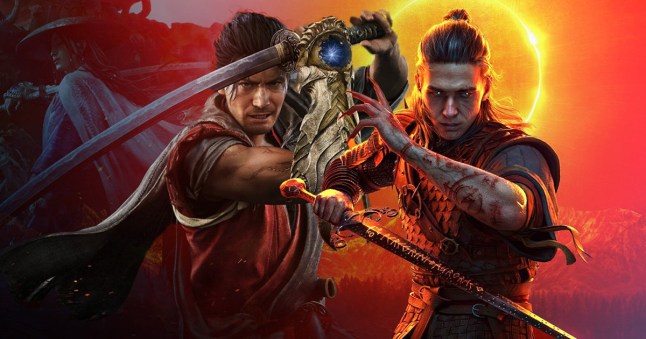
GameCentral looks at the recent success of AAA releases like Onimusha and The Blood Of Dawnwalker, which suggest that high-end video games can be a hit without needing insane budgets.
The way some publishers act, it can feel like any video game is a flop if it doesn’t make Fortnite levels of money from the start. You see it all the time with live service games, such as Concord and Highguard, which cost hundreds of millions to make and were abandoned within weeks when they didn’t hit their targets.
So, it’s a relief to see a number of recent games that, while they are AAA and no doubt had budgets in excess of $100 million, are part of lower profile franchises that have still managed to become major hits in their own right.
You can see this with two of this month’s releases – Onimusha: Way Of The Sword and The Blood Of Dawnwalker – which have already sold one million copies each, just days after launch.
In Onimusha’s case, the franchise has effectively been on ice for 20 years (not counting a couple of remasters) so it’s very impressive to see it crack one million sales in just one day, especially since the game is unapologetically Japanese in its aesthetics and story.
Capcom sounds happy with this performance and has implied that it will encourage more such games in the future, saying, ‘The company is working to further maximize corporate value by leveraging its rich library of content, including this title.’
Expert, exclusive gaming analysis
Sign up to the GameCentral newsletter for a unique take on the week in gaming, alongside the latest reviews and more. Delivered to your inbox every Saturday morning.
As for The Blood Of Dawnwalker, that’s a wholly original property, which is an additional risk, although it does boast a number of veteran developers who worked on The Witcher 3. And yet it too has announced it’s broken one million sales, after launching last Thursday.
Before release, Developer Rebel Wolves already expressed interest in turning The Blood Of Dawnwalker into a franchise, so there’s now a good chance it’ll get its wish and that a sequel will eventually be made.
Thank you for playing, sharing, supporting, and being part of the community! ❤ pic.twitter.com/9fNqO8gNGB
— Dawnwalker (@DawnwalkerGame) September 5, 2026
Considering both games launched only a day apart, it’s also nice to see neither has drastically eaten into the others’ sales, despite them both being third person action role-players – even if they do have very different focuses.
If there’s one thing to take away from this, it’s that games don’t need to rely on leveraging massively popular IPs just to find a sizeable audience. Both Onimusha and The Blood Of Dawnwalker are simply confidently made video games and geared towards specific demographics, and they are being rewarded thusly.
You can find similar results with other games that launched this year. While James Bond is hardly a low profile name, the franchise has been in a state of limbo for years, thanks to a lack of movies, but 007 First Light managed to be a major hit even without using any familiar Bond actors to promote it.
It can’t have been cheap to make either but developer IO Interactive expressed confidence it will be profitable after announcing it had sold more than three million copies less than two weeks after launch (via IGN), reaching four million last month.
Although in the case of First Light there is a downside in that the game’s success, especially its critical acclaim, attracted the attention of 007 licence holder Amazon MGM, who have threatened to interfere with any sequel.
They even implied that they might take the licence away from IO Interactive, as if there was any doubt how little interest bigger companies have in the quality of the end product.
The recent Star Wars Zero Company also fits the same profile as while Star Wars is clearly not obscure, it is certainly at a low ebb at the moment, and an XCOM style strategy game is a fairly niche genre.
Although it’s hard to tell, since publisher EA hasn’t shared any sales figures, Zero Company appears to be doing well, as it’s been lauded critically and is still among the top selling games on Steam (it was even number one in the UK for a while).
Ordinarily, EA would fit the profile of a publisher looking for infinite profit or not at all, but you’d have to assume their expectations for a turn-based strategy game were relatively modest.
You’d have to hope so though, as developer Bit Reactor reportedly ran out of money before development even finished, meaning most of its staff haven’t been paid for their work. So if EA isn’t happy with Zero Company’s performance, that could be the end of the franchise and the studio.
It could be argued that attaching massive licences to games can be more of a detriment, since they face higher expectations, the licence itself is costly, and you never know what state the franchise is going to be in by the time the game is actually finished – typically five years or more after it was started.
Marvel games, in particular, have almost all flopped despite how popular the franchise is and no matter how acclaimed the games are. Sony’s standalone Spider-Man games are the only exceptions but even the second game reportedly struggled to make its budget back.
There’s no hard and fast rule for any of this but while many call for a return of AA games, with much smaller budgets, there’s also a category of title that sits between that and the industry heavyweights. And it seems this upper middle class of video game is actually thriving at the moment, despite the intense competition and the looming threat of GTA 6.
Email [email protected], leave a comment below, follow us on Twitter.
To submit Inbox letters and Reader’s Features more easily, without the need to send an email, just use our Submit Stuff page here.
For more stories like this, check our Gaming page.
Comment now
Comments
Add Metro as a Preferred Source on Google
Add as preferred source