
This changeable late summer weather isn’t just the cause of cancelled plans or wardrobe dilemmas.
Thanks to a combination of warm climes and heavy showers, it’s also turning UK homes into the ideal breeding ground for a particular species ofcreepy-crawly.
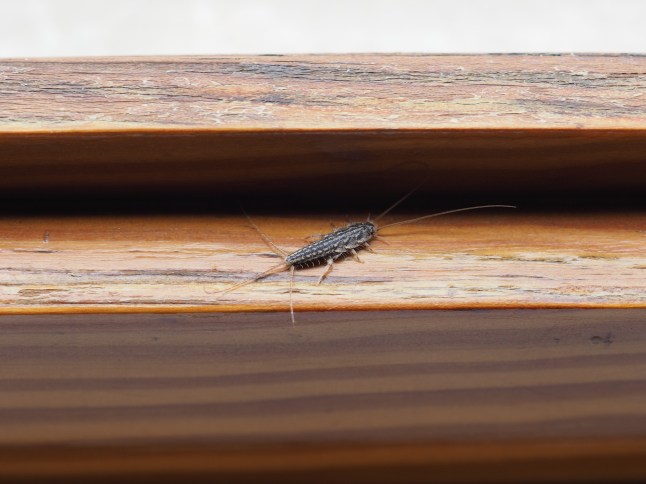
Silverfish are wingless, nocturnal insects named for their silver or grey colour, tiny scales, two antennae, and tapered, tail-like appearance.
They’re fairly large compared to most pests we see here in Blighty, measuring up at just over a centimetre in length, leading some online to describe them as ‘unpleasant’ ‘little buggers’.
As Paul Blackhurst, head of technical academy at Rentokil Pest Control explains, silverfish thrive in ‘dark, damp, humid areas like bathrooms or washrooms, cloakrooms, cellars, basements, and attics’.
When temperatures drop, they tend to seek warmth and shelter indoors — which is why Brits are seeing more and more of them at this time of year.
In fact, September is considered silverfish season thanks to the combination of high humidity (ideally above 50%) and warmth.
But do you need to be worried if you spot one in your home? And how can you get rid of these bugs, prevent infestation, and stop them coming back.
Are silverfish dangerous?
Silverfish might look alarming when they scuttle across your bathroom floor, but the good news is that they aren’t considered a threat to human health.
But while the British Pest Control Association (BPCA) confirming silverfish don’t bite people or spread diseases, that doesn’t mean you want them making themselves at home in yours.
POLL
Poll
Have you noticed silverfish in your home recently?
-
Yes, they are everywhereCheck
-
I’ve seen a fewCheck
-
No, none so farCheck
-
I don’t know what a silverfish isCheck
Paul tells Metro: ‘Their appetite for starch and cellulose can lead to the damage of items, such as books, paintings, photographs, and clothing.
As such, ‘a common sign of a silverfish infestation is finding tiny, unexplained holes in books, clothes, and other household items.’
Plus, alongside being a bit of a nuisance, their presence can also be a clue that of damp lurking somewhere in your home, so a sudden glut of them shouldn’t be ignored.
How to get rid of them
If you’ve spotted a silverfish, there’s no need to panic — but tackling the conditions that attract them can help stop a small problem becoming an infestation.
Paul says the following tips are key for prevention:
- Keep things clean: Vacuum regularly to remove dust, crumbs and other debris that silverfish can feed on.
- Store food properly: Keep food in containers with tightly sealed lids.
- Reduce humidity: Improve ventilation, open windows where appropriate or use fans and dehumidifiers to make your home less appealing to silverfish.
- Fix leaks: Deal with dripping taps, pipes and other sources of moisture, particularly in hidden areas such as behind sinks.
- Seal up cracks: Fill gaps and cracks in walls, skirting boards and other potential hiding places.
If you’ve already got an infestation, he advises looking into DIY products like sprays ‘to help manage the population.’
‘However, for significant or recurring issues, it’s advisable to seek assistance from a professional pest controller who can administer treatments,’ Paul adds.
Comment now
Comments
Add Metro as a Preferred Source on Google
Add as preferred source