
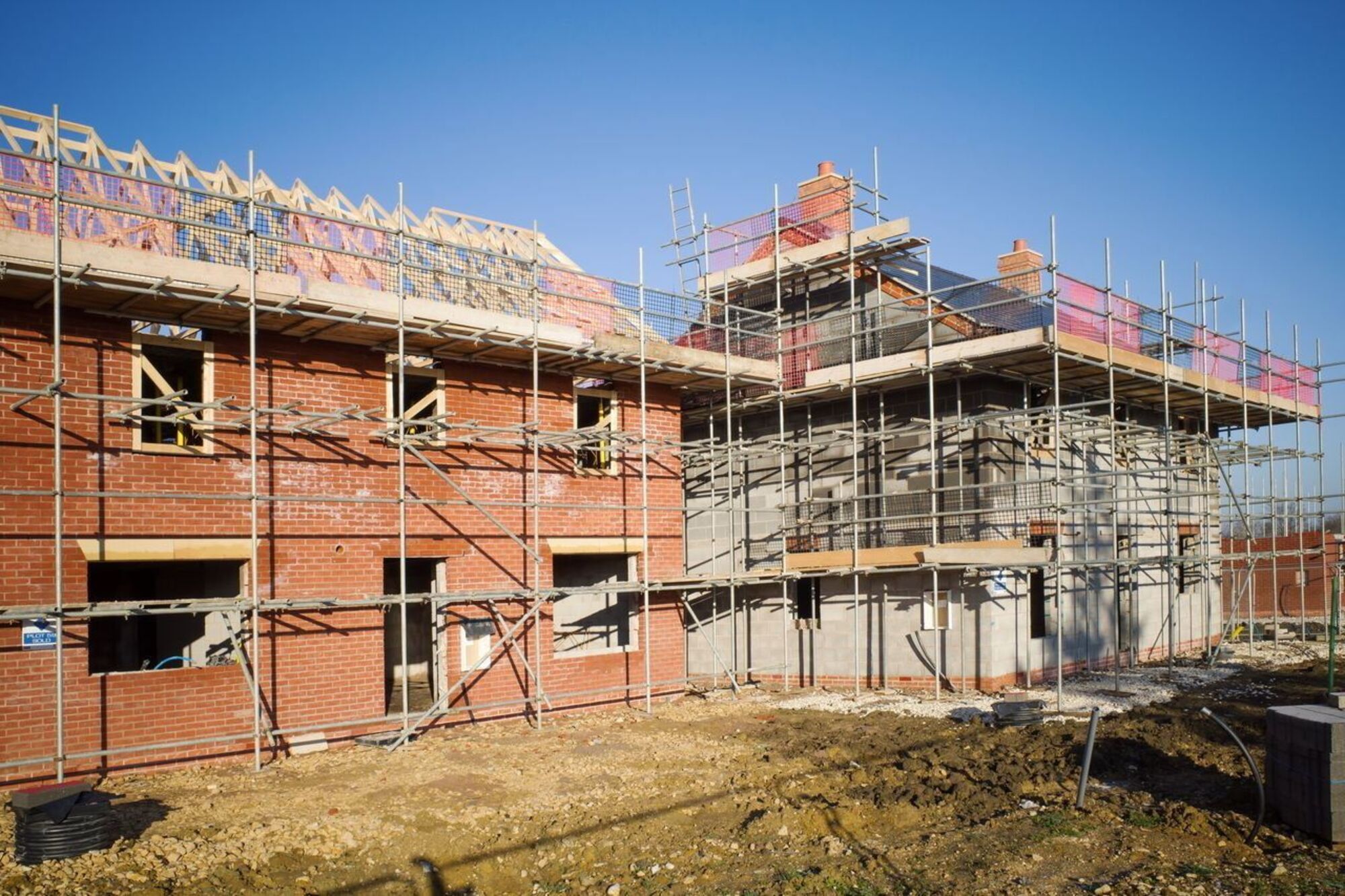
Wicklow County Council has moved into the formal, statutory stage of one of the most significant planning exercises undertaken in the county in recent years, with the publication of Proposed Variation No. 7 to the County Development Plan.
The variation proposes substantial new residential zonings across multiple towns and villages and updates to the county’s core strategy to reflect sharply increased national housing growth requirements issued by the government last year.
The chief executive Emer O’Gorman told councillors at their September monthly meeting that the local authority was now entering the next stage of the process, following months of preparatory work and a large response to the non-statutory call for sites held earlier this year.
Variation No. 7 is driven by updated Department of Housing guidelines, which set out new annual housing targets for every local authority. For Wicklow County Council, the new requirement is 2,068 new homes per year to 2034, followed by 931 per year to 2040.
The guidelines also allow councils to zone up to 50pc additional land above those targets, provided it is consistent with the National Planning Framework.
The local authority adopted Variation No. 6 earlier this year to update its core strategy, but the council signalled at the time that a further variation would be needed to identify and zone additional land.
The call for sites, which ran from December 2025 to February 2026, attracted 201 valid submissions from landowners, developers and members of the public. These sites were assessed against criteria including transport accessibility and environmental constraints.
The shift into the statutory phase comes just weeks after councillors in Greystones raised concerns about how sites were being selected for new housing and passed a motion calling for greater national oversight of the early stage assessment process.
Their intervention was prompted by tense exchanges at County Buildings, where councillors said they were blindsided to learn that the chief executive could advance sites to Stage II assessment even where elected members had recommended against them.
Once submissions close on October 8, the chief executive will prepare a statutory report summarising all issues raised and recommending whether to accept, reject or modify elements of the variation. That report is due to be issued in November.
Councillors will then decide in December whether to adopt the variation, with or without amendments
Funded by the Local Democracy Reporting Scheme