
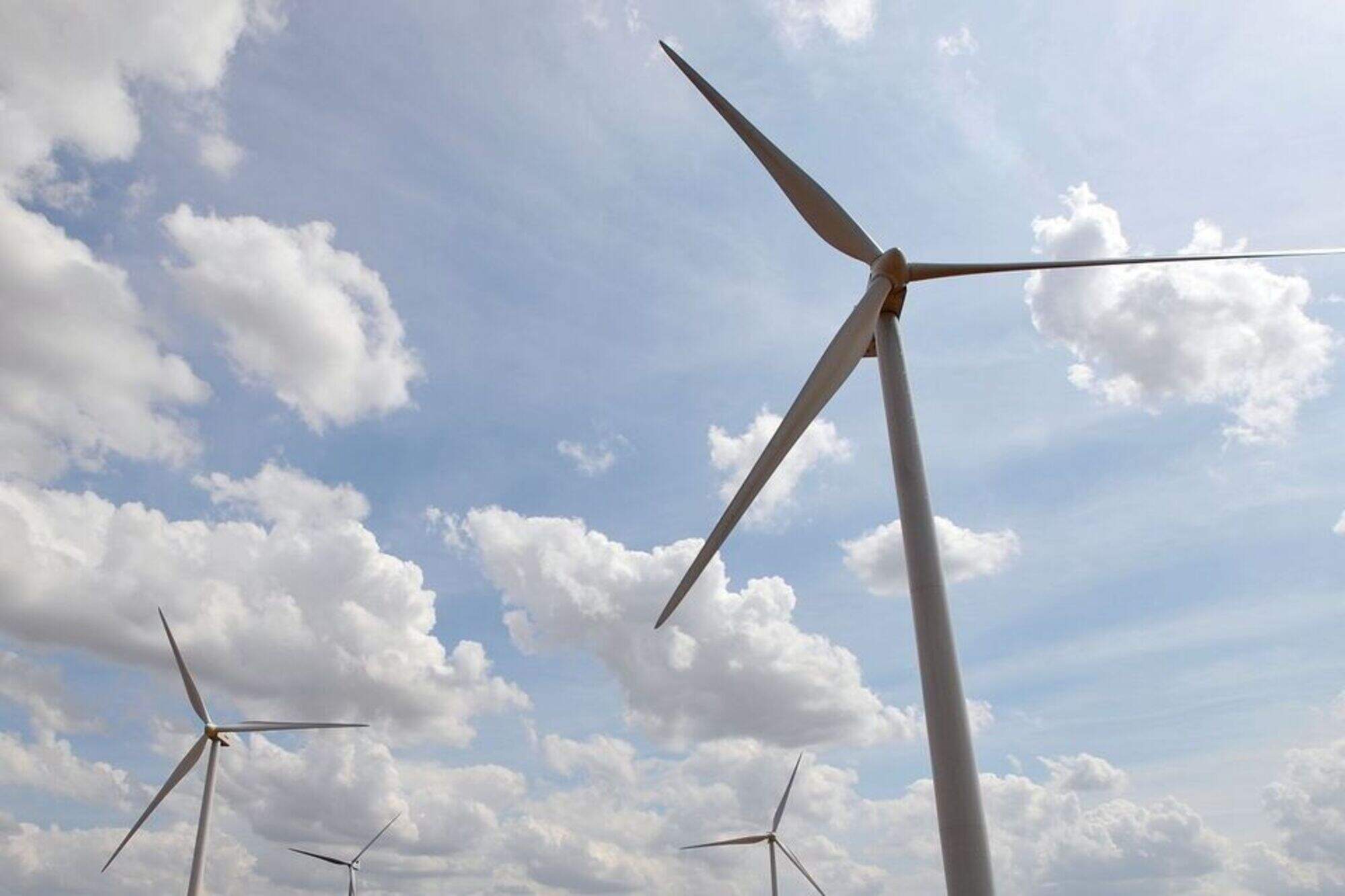
Wicklow County Council is now working to a firm October 19 deadline to decide on a major renewable energy grid connection that would link the consented Ballymanus Wind Farm to the national electricity network.
The application, lodged by ABO Energy Ireland Ltd., is one of the first in the county to proceed under the Renewable Energy Directive III (RED III), a new EU framework that accelerates decision-making for renewable infrastructure and sharply limits the scope for delays once an application is deemed complete.
The proposal seeks a 10-year planning permission for the installation of 23.9 kilometres of underground 38kV cable running from Ballymanus, west of Aughrim, through rural townlands before reaching the existing 220kV ESB substation at Killinskyduff, Arklow.
The cable would be laid largely within existing forestry tracks and public roads, with short sections crossing private agricultural and industrial lands.
The route passes through 19 townlands, including Kilcarra East, Glenart, Shelton Abbey, Kilbride and Killinskyduff. Landowner consent letters have been provided from private owners, Coillte, Crag Arklow Ltd and Córas Iompair Éireann.
Works within public roads do not require landowner consent, as they will be carried out by a statutory undertaker.
The application is accompanied by a full Environmental Impact Assessment Report [EIAR] and a Natura Impact Statement. These examine the likely effects of the project on biodiversity, water quality, landscape, traffic, human health and cultural heritage.
They also assess the implications for nearby conservation sites, concluding that the only site requiring detailed consideration is the Wicklow Mountains SAC. The Natura Impact Statement states that, with mitigation, the project will not adversely affect the integrity of any EU protected site.
Under Section 34D of the Planning and Development Act, and Article 26A of the Planning and Development Regulations, the council cannot seek further information in the traditional manner and cannot extend the decision period.
It must either grant permission, refuse it, or issue a limited clarification request within the strict confines of the RED III procedure. This marks a significant shift from the usual timelines for large infrastructure projects, which often stretch over many months.
The Ballymanus Wind Farm itself already holds permission, with an expiry date of October 2034. The grid connection is essential for the wind farm to export electricity to the national network.
The EIAR notes that the operational life of the cable would be around 25 years, and that responsibility for the infrastructure would transfer to ESB Networks once construction is complete.
Construction of the grid connection is expected to take around 18 months.
Environmental assessments highlight the sensitivity of the Derry Water, Aughrim and Avoca rivers, all of which are crossed by the route. The project proposes the use of horizontal directional drilling at key locations to avoid in‑stream works.
Measures to control sediment, hydrocarbons and cementitious materials are set out in detail, along with a contingency plan for drilling fluid incidents. The Natura Impact Statement concludes that, with these measures in place, the project will not harm otter or other protected species.
The council has already received submissions from Inland Fisheries Ireland, NPWS, Irish Rail and Coillte. Under RED III, these must be considered within the compressed assessment window.
Funded by the Local Democracy Reporting Scheme