
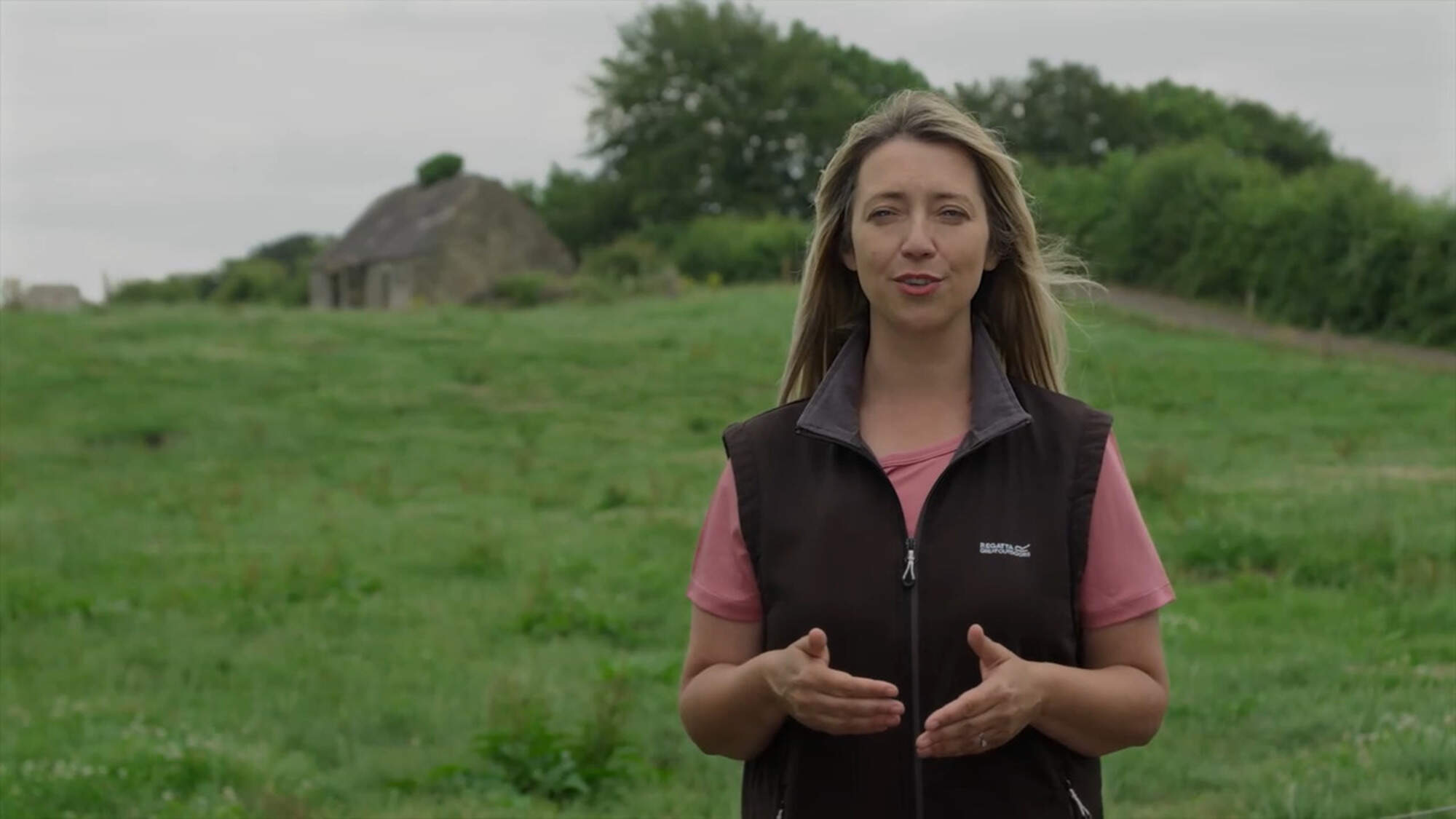
Why planning a farm’s future needs to be a gradual process.
When it comes to the subject of succession, Nicola Fetherstone says that “sometimes the most difficult thing is actually starting the conversation”.
As an Agri Advisor with the AIB Agri Advisor Team, Nicola has firsthand experience working with farmers and their families as they navigate the often-emotional time of succession and farm partnership. She believes that early discussion can help make the transition easier for everyone.
“In past generations, maybe the conversation was had very late in life. The farm and household was reliant on the income that the farm was generating, and maybe it wasn’t passed over to the next generation because of that reliance on the farm to sustain the household.
“We would encourage any farmer that we meet that they start that journey early and they just get everyone to sit around the table. It’s amazing what comes out when everyone is engaged.”
Succession planning is the process of preparing for the transfer of knowledge, skills, labour, management, control, and ownership of the farm business from one generation to the next. Succession is often described as a process rather than an event; it takes time and families have to work together to develop a plan that meets the needs of all involved.
Katie Gleeson, whose husband Philip comes from a multigenerational farm, says that the conversation around succession has become more open in recent years.
“The conversation is changing around it, you know; there’s a lot more support for people. Obviously, generational renewal is a huge issue in agriculture. The average age of a farmer in Ireland is around 59-60 years of age, so we want that conversation to be an open thing so it’s allowing younger farmers to come into the fold.
“Being a multi-generational farm, succession is always on your mind. You’re not just farming for yourself; you’re also farming for the next generation, and you’re building upon everything the previous generations have done”, she explains.
Nicola says as an Agri Advisor she is finding that more and more farmers are reaching out for advice on succession and looking to discuss it earlier in the process.
“Often, we would get phone calls from people who are starting the conversation around succession and looking for advice on how best to handle it. We can support them in terms of financials if they require advice. We’ve seen a lot of other farmers go through similar scenarios, and we can link them in with other people in the industry that may be better versed to deal with some of that.
“Sometimes the most difficult thing is actually starting the conversation in the first place. Succession is a very emotive topic. It’s difficult to understand when you’re not in the scenario.”
Katie tells us that in her experience, having a clear plan and collaborating with Philips’ parents ensured the process worked for everyone.
“We had a five-year succession partnership plan, which is fairly typical within the dairy sector when you’re transferring a family farm. [It] gradually took place over five years, where Philip’s parents transferred ownership of the farm over to him. It just gives the two generations a chance to get used to everybody’s new roles on the farm.
“If there’s a transition underway like that, it makes it much more viable and probably easier on everybody in terms of the older generation still being actively involved in the farm, maybe still getting to make some decisions on the farm rather than all the decision-making being transferred over to the next generation.”
Nicola agrees that the succession process should move at a pace comfortable for everyone, explaining that every farm and family is unique.
“There’s a lot of farmers that have spent years and years building up their farm and businesses, and maybe they’re just not ready to hand it over. You know, they’re looking forward to maybe retirement and enjoying that part of their life where they can enjoy their time on the farm.
“So, in those kinds of instances, what we’re seeing is maybe partnerships being set up where they’re starting out with a 20pc share, bringing in the next generation there.”
Katie finishes by saying that each generation has their part to play and that it’s important to continue thinking about the future.
“Farms are always changing. They’ve changed from Philip’s great-grandparents’ time to his parents’ time, to our time, and it’ll change again for our children if one of them wants to take over the farm. So, we’re always kind of looking ahead, and we’ve one foot in the future constantly.”
To find out more, visit the AIB website here.