
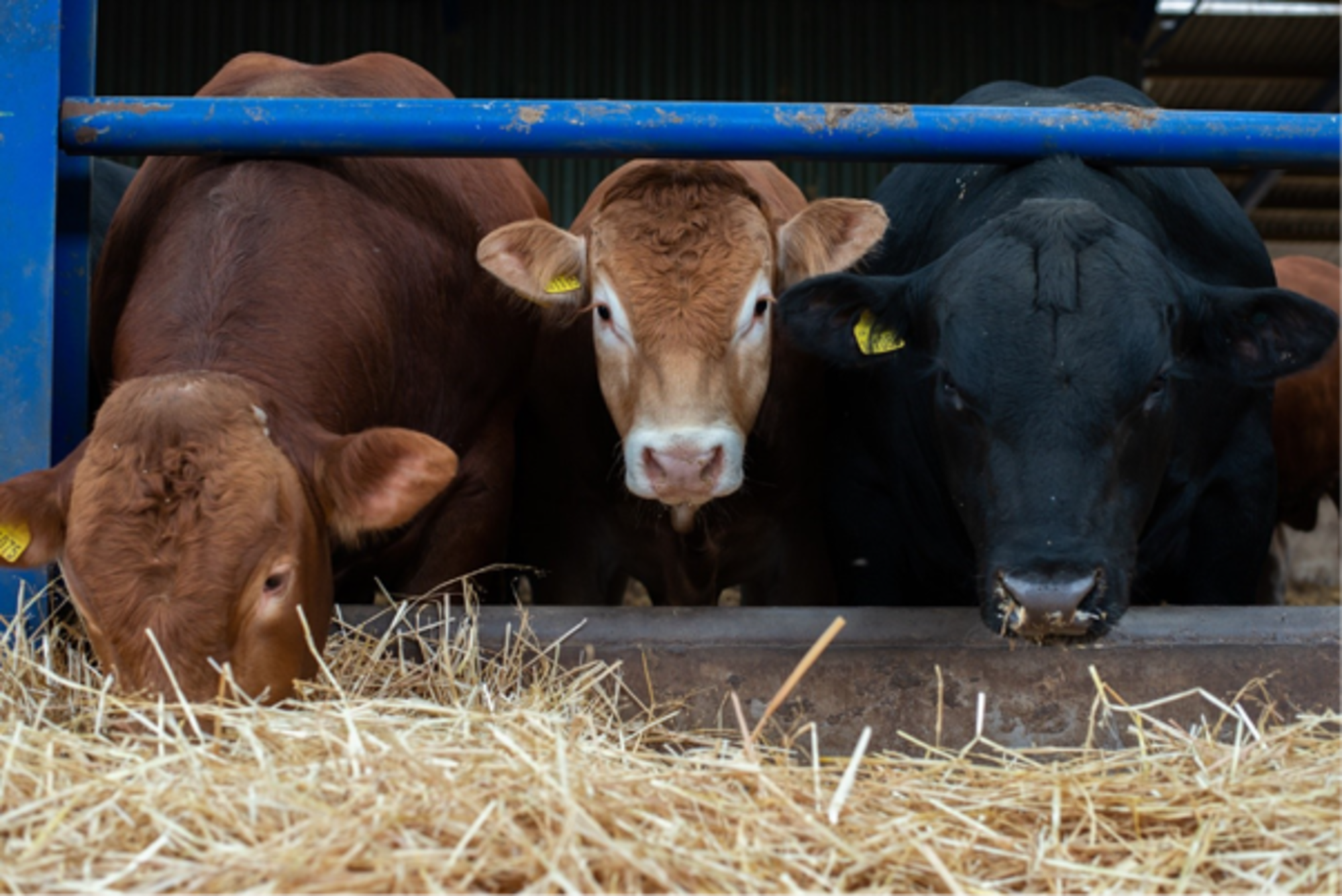
High-concentrate diets can drive performance – but only if the rumen keeps pace.
With forage stocks under pressure on many farms, finishers may be looking to reduce forage demand through greater use of concentrates, by-products and cereals. While this can help maintain performance and stretch forage supplies, it can also increase dietary starch levels and place greater pressure on the rumen. For Irish finishers looking to produce more beef and lamb from the same amount of feed, looking after the rumen remains one of the best investments they can make.
High-concentrate diets based on cereals such as barley, wheat and maize are one of the most effective tools for driving daily liveweight gain (DLWG) and finishing stock more quickly.
However, increasing cereal inclusion generally increases the amount of rapidly fermentable starch in the diet, placing greater pressure on the rumen. If this is not managed carefully, producers risk sub-acute ruminal acidosis (SARA) – a condition that often goes unnoticed as it quietly erodes feed efficiency, growth rates and profitability.
Unlike clinical acidosis, SARA rarely causes dramatic symptoms. Instead, it gradually reduces efficiency, meaning animals take longer to finish and require more feed to reach target weights.
The rumen is home to trillions of microbes that break down fibre and starch through fermentation, producing volatile fatty acids which supply much of the animal’s energy.
“These microbes are effectively the engine room of the animal,” explains Kevin Doyle, technical manager, Phileo UK & Ireland.
“Rapidly fermentable diets, however, can produce acids faster than they can be absorbed or buffered. Rumen pH falls and fibre-digesting microbes become less active, reducing how efficiently cattle and lambs use their feed. Once rumen stability is compromised and fibre digestion reduces, feed efficiency and performance suffer.
“Ensuring there is sufficient fibre in the ration is important for good rumen function as this encourages chewing and saliva production, which helps buffer and maintain rumen pH,” continues Kevin.
Gradual dietary transitions, consistent ration formulation and feeding times, adequate feed space, sufficient effective fibre and avoiding slug feeding can all help maintain a stable rumen environment. Fresh, clean water is also essential.
“Even relatively small changes in ration consistency can challenge the rumen microbes,” Kevin explains. “Introducing concentrate diets gradually over two to three weeks gives rumen microbes time to adapt, reducing the likelihood of digestive upset.”
Regular observation is key to early detection. Loose or bubbly dung, inconsistent intakes, variable growth and reduced cudding activity can all indicate rumen function is under pressure long before clinical acidosis develops.
Alongside good nutritional management, supporting beneficial rumen microbes can help maintain performance when high cereal inclusion is unavoidable.
Actisaf® Sc 47 live yeast probiotic supports the growth and activity of fibre-digesting and lactate-utilising microbes, helping maintain a more stable rumen environment in high-concentrate finishing systems.
By encouraging these beneficial microbial populations, more energy can be extracted from the same quantity of feed, supporting improved feed conversion efficiency and more consistent growth.
Research has shown improvements in feed efficiency, growth rates of up to 9pc in beef cattle and improved carcass classification, alongside an average net return of around €42 per head.
Lamb trials have also shown improvements in DLWG, feed conversion efficiency and carcass weights.
A focus on rumen function underpins the finishing system at Strangford View Farm, where Colin McKee finishes around 600 cattle annually for his own farm shop and restaurant outside Newtownards.
Using home-grown barley alongside grass silage and a home-mixed ration, maintaining rumen stability is essential to achieving consistent finishing times.
“We add Actisaf® live yeast to our home-mixed ration to protect rumen function,” Colin explains. “Since we’ve been using it, we find that cattle get going quicker when they arrive on the farm and are more content. Dung consistency has improved considerably, and we get a faster finish – we’ve definitely noticed a difference.”
“It is really important that we get cattle finished when we expect them to be, as we need a steady flow of 10-12 beasts a week to slaughter to meet the demand from the shop and restaurant. Actisaf® helps ensure that we don’t get any upsets through the finishing period.”
Northern Ireland farmer Ian Hanna has seen improvements in his intensive finishing system with 2,000 lambs per year.
“Actisaf made a big difference in our lambs when we added it to the diet, and they certainly had fewer problems,” Ian explains. “They grew really well, had better vigour and needed less time to reach their finishing weights, which I was really happy with.”
The combination has helped support lamb vigour and maintain performance throughout the finishing period, while reducing the nutritional setbacks that can occur when lambs are under pressure.
The rumen remains the engine that drives feed utilisation, growth and efficiency. When that engine is working well, animals can extract more value from every mouthful of feed. But SARA can cause hidden losses to accumulate through poorer feed conversion and slower finishing times.
With feeding costs the largest expense of any finishing operation, protecting rumen function through consistent management, gradual dietary transitions and nutritional support is critical for profitable beef and lamb production.
For more information about using Actisaf® in your beef finishing system, visit yeastsolutions.co.uk or contact us at +353 61 708 099 or +44 2893 343900.