
Colman Noctor: Act of kindness can help a child who finds it difficult to make friendsParenting a child with a busy social life might feel like running an unpaid taxi service, but it brings the rewarding realisation that your child is well-liked. Tue, 15 Sep, 2026 – 17:07Colman Noctor
Dr Colman Noctor is a child and adolescent psychotherapist, a senior mental health lecturer at SETU Waterford, and the host of the ‘Asking for a Parent’ podcast.
It’s reassuring to know your child has friends. Their phone pings with messages, and their weekends are filled with birthday parties, sleepovers, and constant requests for lifts.
Parenting a child with a busy social life might feel like running an unpaid taxi service, but it brings the rewarding realisation that your child is well-liked.
For another parent, the weekend can look very different.
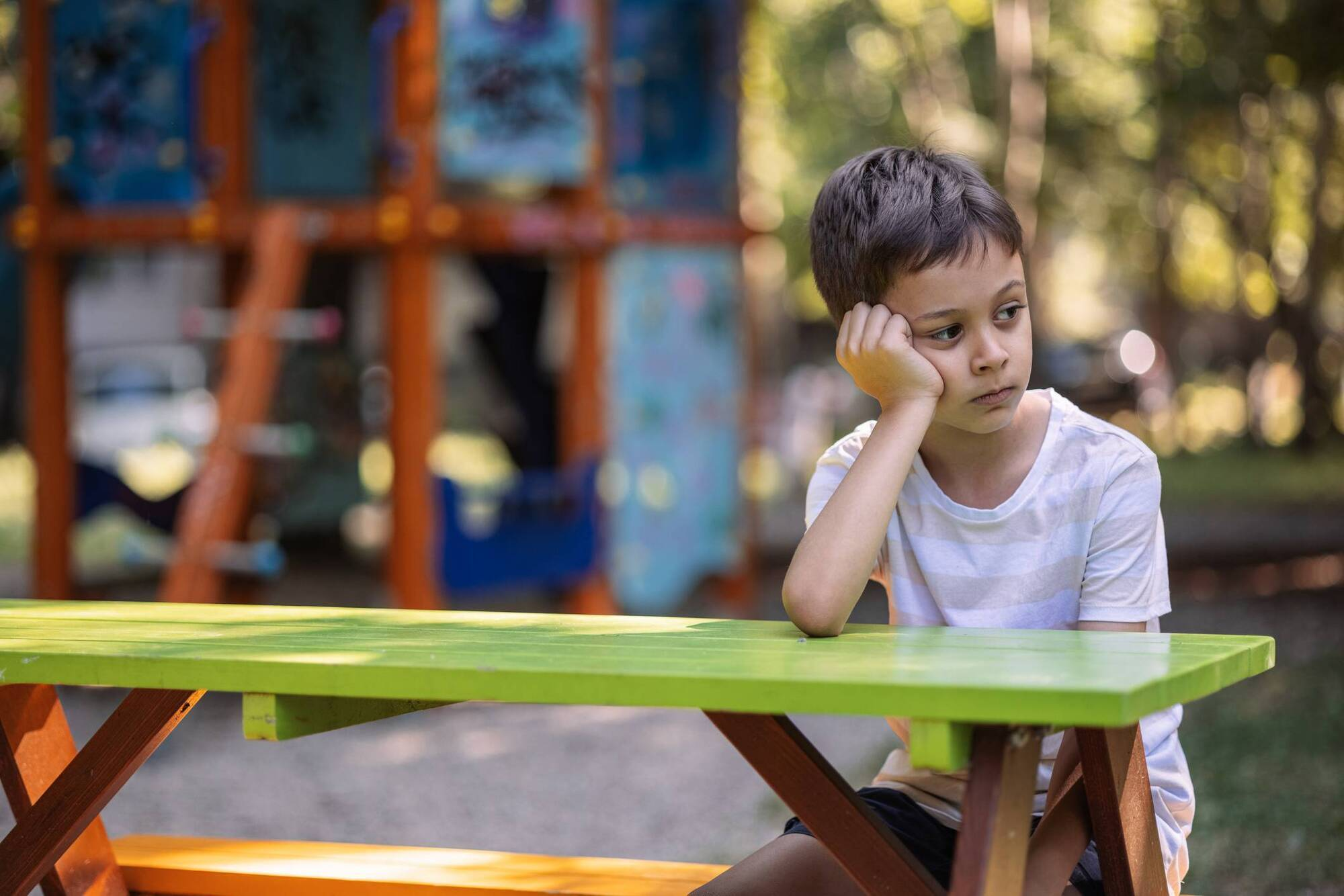
The phone that other parents often complain about stays quiet. They ask their teenager, “Anything happening tonight?” or “Are any of the lads around?”, but the brief replies make it obvious that each question only draws attention to what their child is trying not to think about.
Parenting a child who finds it difficult to make friends can be an extraordinarily helpless experience.
If school is difficult, we can seek learning support. If sport isn’t working out, we can talk to a coach or look for another club. But we cannot make another child choose ours. We cannot manufacture an invitation to a birthday party or insist that a child reply to their message, which can be painful to endure.
Of course, not every child who spends time alone is lonely. Some are naturally introverted or prefer one or two close friendships rather than being part of a large group, while others enjoy their own company. As a bright 15-year-old once told me in my therapy room: “Colman, solitude and loneliness are not the same.”
Parents whose children make friends relatively easily often don’t fully appreciate the challenge of supporting a child who struggles socially. Some may advise: “They just need to put themselves out there” or “why don’t you sign them up for something?”. These suggestions sound straightforward but not for the child who stands awkwardly at the edge of every group, trying to work out how to be noticed or how to join in.
Kindness of inclusion
Temperament, confidence, social skills, and past experiences all shape our ability to be social. Some children can walk into a new environment and make connections within minutes, while others may spend months, or even years, struggling to work out where they belong.
Parents of socially confident and popular children can play an important role in helping to bridge the social skills gap.
We spend a lot of time teaching children to cope with exclusion. Perhaps we should spend a little more time teaching others to include, or even just not to exclude.
Inclusion doesn’t mean insisting that children must be friends with another child. Of course, friendship requires choice, and all children are entitled to decide who their close friends are. Nor should we force a teenager to invite someone to every social occasion simply because we feel sorry for them.
But inclusion doesn’t always require friendship. Sometimes it simply requires kindness.
A child doesn’t have to be someone’s best friend to say hello. They don’t have to invite them to everything or to include them in every conversation. I have seen a gesture as simple as “do you want to sit here?” completely change a child’s day.
Socially confident children often exert considerable influence over a peer group. They can influence who gets included in conversations, who is added to group chats, who hears about plans, and who feels welcome.
Popularity, like sporting or academic ability, comes with a certain amount of power.
One of the developmental tasks of growing up is learning to use whatever power we have responsibly, and as parents, we have a duty to help with this.
Perhaps instead of only asking our children, “Did you have a good time?”, we might occasionally ask, “Was anyone on their own?”, or “Is there someone in your class who doesn’t seem to have many friends?”.
This strategy isn’t an attempt to make our children responsible for everyone else’s happiness. It simply communicates the value of noticing people. Our children pick up on our values far more than we realise.
Most parents will say they want their child to be empathetic, yet empathy often requires imagining an experience we haven’t had. A child who has always been included may genuinely have little idea what exclusion feels like, and it is important to develop that awareness early.
Exclusion has become especially painful in the digital age. In previous generations, there were always parties and gatherings we weren’t invited to. But we were often unaware of what we were missing.
Today, a teenager who hasn’t been invited to an event sits at home watching it unfold in real time. They see the group selfies, Snapchat stories, and videos. They can see who is there, what they are doing, and painfully realise that almost everyone else in their peer group was invited.
Offering the right support
For parents of socially isolated children, the difficulty is often deciding how much to intervene.
Their instinct is to fix things. They try to encourage them to invite someone over, to suggest joining another activity, or to message somebody. They can find themselves asking, “Who did you sit beside today?” and “Did you talk to anyone?”. These questions usually come from a place of love, but they can inadvertently make a child feel that their social life is another area where they are failing.
Sometimes our role is not to find a solution to their loneliness, but to support our children through it without letting it define them.
Childhood social hierarchies are remarkably temporary.
I have known quiet second-year students who flourished during the transition year reshuffle, and socially awkward 17-year-olds who found their tribe at college. The teenager who never fit comfortably into the dominant school group, but discovered friendships through a part-time job and other young adult communities.
Today’s experience need not become tomorrow’s prediction, which brings me back to the inclusivity theme that has run through this three-part series.
In education, I suggested that parents of the academically gifted child should encourage their child to value personal qualities as well as exam results, and to appreciate the experience of the child who finds learning difficult. While discussing sport, I encouraged parents of the athletically gifted child to consider the experience of the child who never gets passed the ball.
Perhaps friendship requires the same act of imagination. If your child has always had friends, be grateful. If your house is full of teenagers, enjoy the noise. If your biggest problem is the number of lifts you have to give at the weekend, savour the inconvenience.
But occasionally consider the parent who would gladly provide those lifts, or the teenager who would give anything to be asked.
Encourage your child to notice these children. Not out of pity, but because inclusive kindness is something children need to practise regularly.
Across school, sport, and friendship, our children will inevitably discover that people have different abilities, opportunities, and levels of confidence. We cannot remove those differences, nor should we try to. But we can teach our children to notice them.
No one receives trophies or CAO points for being kind. Nobody receives a medal for noticing the child standing at the edge of a group. Perhaps, though, one of the most valuable lessons parents of thriving children can teach is that success isn’t only about how many points, medals, or friends they accumulate. It is also about how they treat those who struggle at school, on the pitch, or in social settings.
It simply requires you to teach your child the value of gestures that sometimes seem very small.
Offering help with a maths problem.
Passing the ball.
Or simply asking: “How are you?”
- Colman Noctor is a child psychotherapist
Read More
My Childhood with Bernard Casey: After my first comedy set I knew it was the life for me
Julie Jay: ‘Second week syndrome’ is alive and well at the start of new school year
Colman Noctor: Look no further than Katie Taylor if you want a role model for your children
x
185th Anniversary Offer
Six months of digital access for €18.50
Already a subscriber? Sign in
No obligation. Ts&Cs apply.
CONNECT WITH US TODAY
NEWSLETTERS
NOTIFICATIONS
Be the first to know the latest news and updates
more parenting – advice articles
The Japanese way of raising happy, self-sufficient children
Dr Phil Kieran: When should you call your GP?
Joanna Fortune: My granddaughter is struggling since her mum left home
More in this section
My childhood with Sonia O’Sullivan: The daily run to school sparked my champion mindset
Dr Phil Kieran: When should you call your GP?
Julie Jay: What’s worse than living with a prankster? Living with three of them
#Parenting#Parenting – Advice#Colman Noctor#Parenting – School children#Parenting – Teens