
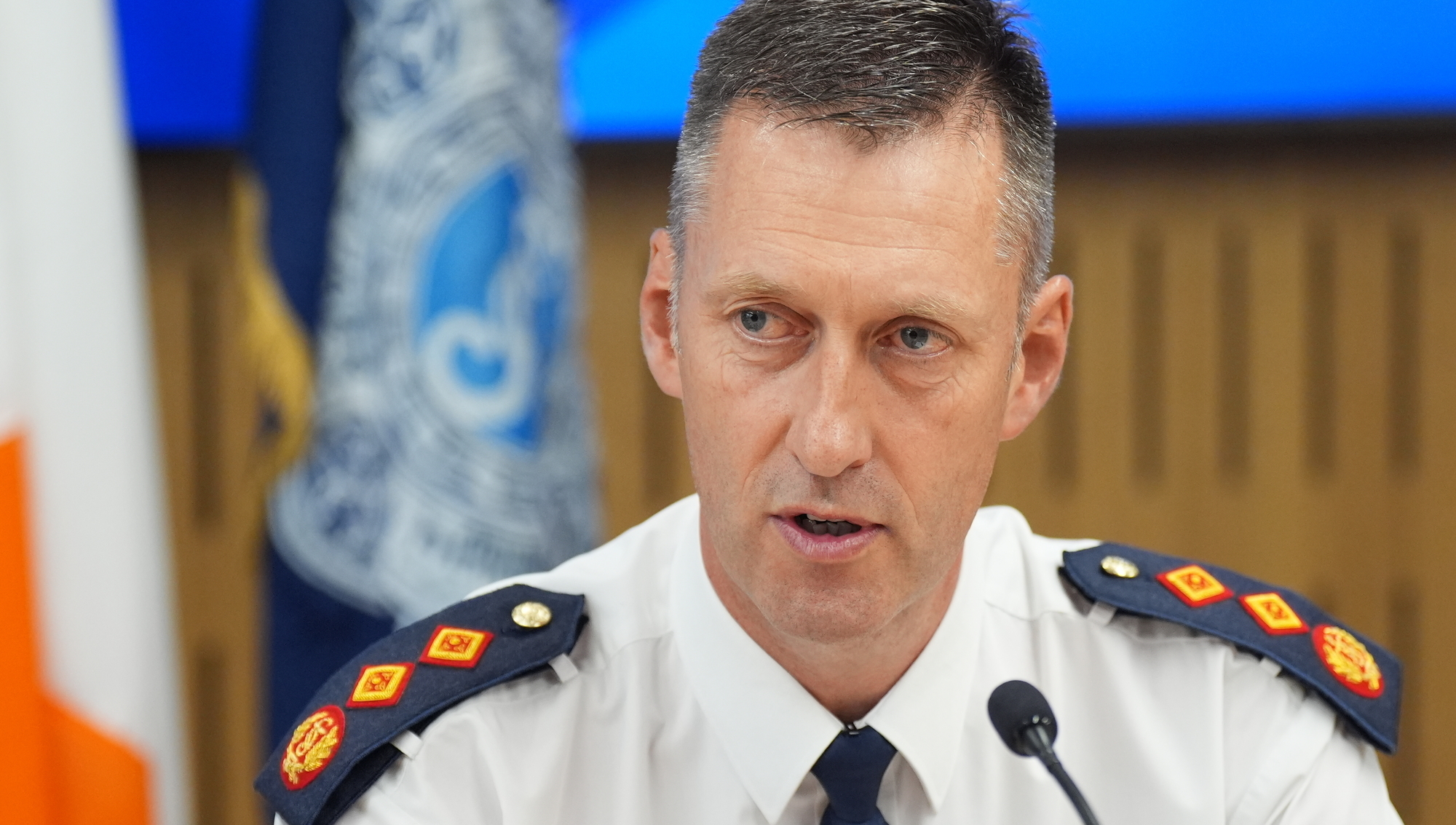
Gardaí and religious groups launch joint plan to combat online extremism and radicalisation Thu, 10 Sep, 2026 – 06:00Cormac O’Keeffe
Garda headquarters has established a formal relationship with religious communities to tackle a rising threat from radicalisation and online extreme violence networks.
As part of the ‘Dublin Principles’, gardaí, together with Muslim, Christian, and other faith groups, agreed to further cooperation, to carry out joint training, introduce safe and confidential reporting channels, and develop multi-agency rehabilitation programmes.
A high-level conference in Dublin, organised by the global Interfaith Alliance for Safer Communities and Garda HQ, attracted international experts on Islamist terrorism, specialist counter-radicalisation organisations, as well as Irish interfaith groups and academics.
Garda bosses told participants of a range of threats facing Ireland:
- Continuing terrorism linked to Northern Ireland;
- Emergence of Islamist-inspired terrorism, with four attacks in the last three years;
- Threat from extreme right-wing terrorism, including a disrupted plot to bomb a mosque;
- Violent political extremism from the far left;
- Violent extremism supported by the ultra-conservative Christian right and the Muslim Brotherhood;
- New online violent extremism networks — such as the “Com” network.
The conference was entitled ‘Building Cohesive, Safer Communities: Law Enforcement and Faith Partnerships in Preventing Extremism’.
The leadership of the Interfaith Alliance for Safer Communities is linked to the United Arab Emirates government, but the organisation also comprises representatives of Christian and other religious groups from across the world.
Read More
Government report warns of growing concern over far-right extremism in Ireland
‘The Com’: Europol warns of online network grooming children into violence and sexual abuse
Ireland faces evolving terror threats including Islamist and far-right risks, report finds
The Al Maktoum Foundation, which is linked to the rulers in Dubai, set up and funds the Clonskeagh Mosque in Dublin and recently directed an overhaul in its management and its religious school.
Longstanding concerns over links at the mosque to the more religiously extreme Muslim Brotherhood, which is banned in the UAE, informed the clear-out.
Addressing the event, Garda Commissioner Justin Kelly said: “Radicalisation and violent extremism remain serious threats to public safety and social cohesion across Europe. Their methods are changing rapidly, particularly online through social media, encrypted platforms, gaming spaces, artificial intelligence, and synthetic media.”
But he stressed radicalisation “does not belong to any one faith, ethnicity or political viewpoint”.
He said: “If our response relies on stereotypes, we erode the trust on which prevention depends.”
The event examined prevention and rehabilitation programmes from the UAE, Singapore, and Kenya.
Assistant Commissioner Michael McElgunn, Garda National Crime & Security Intelligence Service, said “radicalisation and violent extremism” posed challenges to communities and were “a serious concern”.
He referenced “ecosystems” that support violent political extremism, including the “ultra conservative Christian right”, which supported the extreme right wing in rhetoric and funding.
He also noted concerns about a “hidden ‘political Islam’” by groups, such as the Muslim Brotherhood, which he suggested blocked integration.
The conference heard concerns about newer online extremism networks, where sadism and violence were the driving focus, such as the “Com” network.
In its statement, the Interfaith Alliance for Safer Communities said it agreed a joint statement, called the ‘Dublin Principles’, which includes: training to recognise early signs of radicalisation; establishment of safe and confidential channels for raising safeguarding concerns; conducting joint awareness sessions between police and community representatives; and development of multi-agency rehabilitation and reintegration programmes.
The statement said the focus should be on “behavioural indicators” rather than demographic profiling.
x
185th Anniversary Offer
Six months of digital access for €18.50
Already a subscriber? Sign in
No obligation. Ts&Cs apply.
CONNECT WITH US TODAY
NEWSLETTERS
NOTIFICATIONS
Be the first to know the latest news and updates
More in this section
Two of country’s biggest health unions threaten industrial action amid public service pay dispute
Teach us how to stay safe online rather than ban social media, Irish children tell regulator
Bord Gáis Energy to raise electricity and gas prices by up to 10.6% from October