
Citizenship rules to tighten by end of this yearRights groups raise concerns at new rules — including the eight-year residency requirement which will be applied retrospectively to migrants already living in Ireland Tue, 08 Sep, 2026 – 06:02Louise Burne, Elaine Loughlin, and Tadgh McNally
Aspiring citizens who do not submit their naturalisation application before the end of the year will face increased residency requirements and strict new citizenship requirements.
Senior sources have told the Irish Examiner that the Government expects the new citizenship rules, which include eight years of residency, to be signed into law by Christmas.
In an unusual move, the legislation will be applied retrospectively to migrants already living in Ireland who have yet to submit a citizenship application.
Migrant rights groups have said that the proposals from justice minister Jim O’Callaghan are “aimed at making Ireland a hostile place”.
As reported by the Irish Examiner on Monday, Mr O’Callaghan will bring proposals to Cabinet tomorrow to overhaul citizenship rules.
The proposals will increase the length of time a person must live in Ireland to be eligible for citizenship from five to eight years.
Rules for new citizens
A person seeking naturalisation must also demonstrate a “knowledge and understanding of Irish civics”, including society and politics, to a certain standard, as well as demonstrating proficiency in English, Irish, or Irish Sign Language.
The Irish Examiner understands that the new rules, including eight years of residency, will apply to any foreign national currently living in Ireland hoping to become eligible.
Anyone without a naturalisation application submitted to the Irish Immigration Service before the new laws are implemented will face the new eight-year residency rule.
It is understood that there will be no lead-in time for the new laws to allow people who are close to the current five-year requirement to qualify. However, the years they have already spent living in Ireland will count towards the new eight-year threshold.
Read More
New citizenship rules would require eight years’ residence, language test and civics exam
Budget 2027: Workers to get ‘a few hundred euro’ from ‘modest’ €1.5bn tax package
Letters to the Editor: Reforms to citizenship should strike a balance
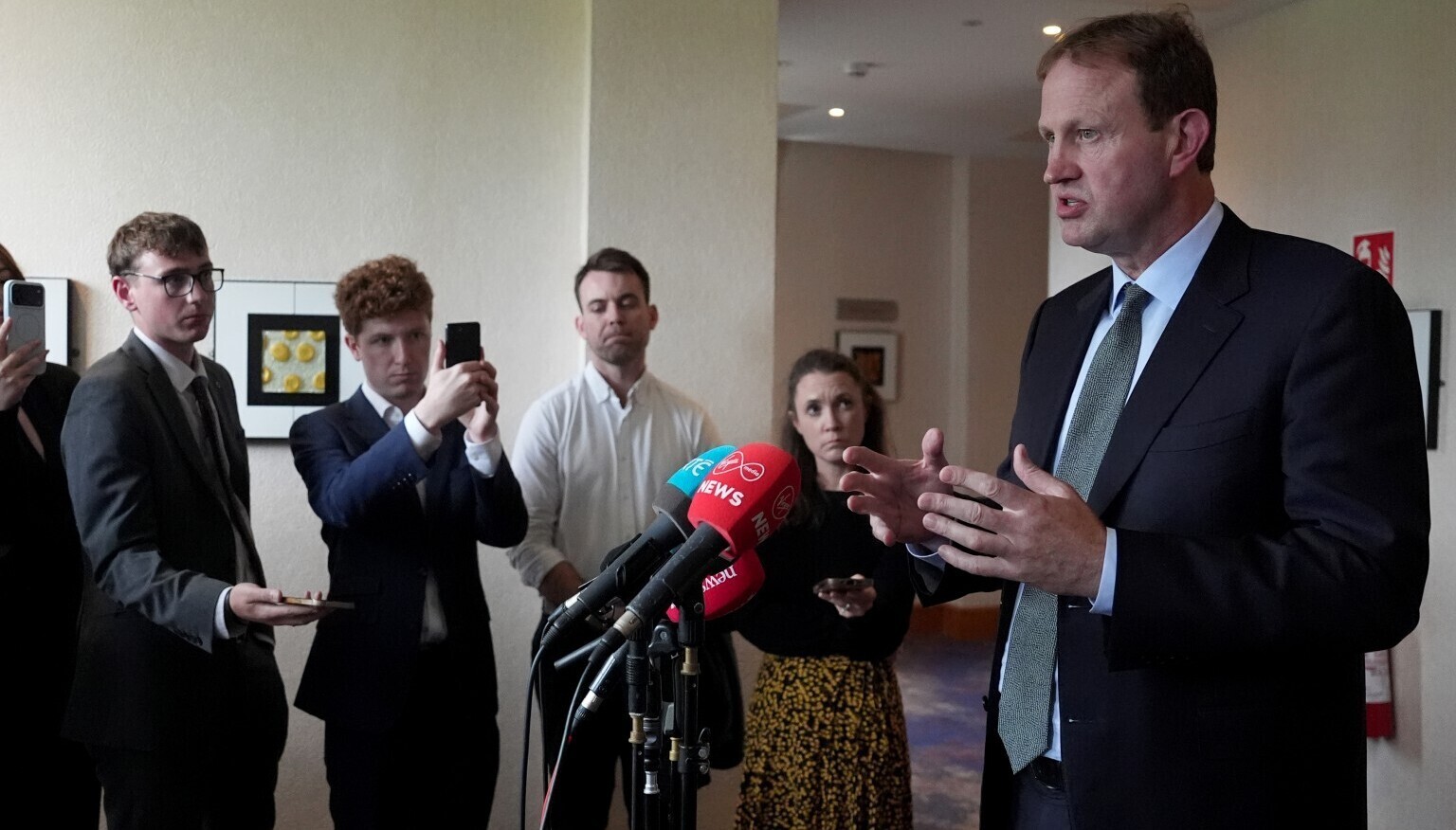
Speaking at the Fianna Fáil think-in in Tullamore, Offaly, Mr O’Callaghan said increasing the length of time a person must live in Ireland from five years to eight years is “reasonable”, confirming this will impact people who are currently in the system.
“Obviously, legislation always discriminates against individuals,” he said.
“There are cut-off points, but if you have been here for four years and 10 months by the time the laws are changed and commenced, it will affect you. That’s the truth of the matter. But legislation will always, I suppose, affect and discriminate against people on the edges.”
Citizenship ‘a privilege, not a right’
Mr O’Callaghan also insisted that it will not “deter” people from applying for citizenship, something he described as a “privilege, not a right”.
He argued that the changes will bring Ireland in line with other EU countries.
Other proposals include the introduction of a set income for citizenship, as well as an increase in residency requirements for the spouses of Irish citizens.
Rights groups raise concerns
A joint statement from migrant rights groups, including Doras, the Immigrant Council of Ireland, the Irish Council for Civil Liberties, the Irish Refugee Council, Migrant Rights Centre Ireland, and Nasc, the Migrant and Refugee Rights Centre, expressed serious concern about the plans.
“Requiring people to wait eight years before applying, pass language and civics tests, and demonstrate financial self-sufficiency would create significant barriers for people who have already established their lives in Ireland,” a spokesperson said.
“The eight-year waiting period does not account for the substantial delays that already affect the current system.
“There are no general language requirements for someone to obtain a work visa or employment permit in Ireland.
“So, effectively, we are saying that whatever level of English you have is good enough to work, study, pay taxes, and participate in Irish society, but it’s not good enough to become a citizen, have the right to vote, and have a more stable immigration status. That simply doesn’t make sense.”
The group also argued that people who have had to avail of social welfare because of illness or hardship should not be “excluded from citizenship”.
‘Making Ireland a hostile place for migrants’
“We urge the Government to scrap these plans that are simply aimed at making Ireland a hostile place for migrants who contribute so much to our economy and society,” they added.
Labour’s justice spokesman Alan Kelly said that while the party has no problem with English language tests, it is concerned about the new residency requirements.
“Citizenship is an important part of successful integration. This could have a real negative impact on our ability as a nation to attract workers in critical areas,” he said.
- Louise Burne, Political Correspondent
- Elaine Loughlin, Political Editor
- Tadgh McNally, Political Reporter
Read More
Barrister to raise concerns about EU Migration Pact’s protection of trafficking victims
Taoiseach says criteria for Northern Ireland border poll need to be discussed
x
185th Anniversary Offer
Six months of digital access for €18.50
Already a subscriber? Sign in
No obligation. Ts&Cs apply.
CONNECT WITH US TODAY
NEWSLETTERS
NOTIFICATIONS
Be the first to know the latest news and updates
Irish Examiner view: Sensible citizenship rules could unite people rather than divide them
Barrister to raise concerns about EU Migration Pact’s protection of trafficking victims
Minister invited to assess conditions of blind and elderly Ukrainians at disused equestrian centre
More in this section
Inheritance tax reform would boost value of windfalls
MEPs call on EU to investigate if social media algorithms are being used ‘to glorify’ dangerous driving
Taoiseach says criteria for Northern Ireland border poll need to be discussed
#Immigration#Fianna Fáil