
Article content
As the artificial intelligence boom creates a massive new market for private credit, Fortress Investment Group is warning lenders against rushing into deals out of a fear of missing out.
Sign In or Create an Account
or View more offersArticle content
Jack Neumark, co-chief executive of Fortress, which manages about US$55 billion in assets, said the economics of lending to data centres and other AI infrastructure are fundamentally different from investing in their equity. Credit investors get a largely fixed return if the technology takes off, while still bearing the risk that asset values can fall — potentially trapping them in an illiquid investment if things go wrong.
Article contentWe apologize, but this video has failed to load.Try refreshing your browser, or
tap here to see other videos from our team.We apologize, but this video has failed to load.Try refreshing your browser, or
tap here to see other videos from our team.Article content
Story continues below
This advertisement has not loaded yet, but your article continues below.
Article content
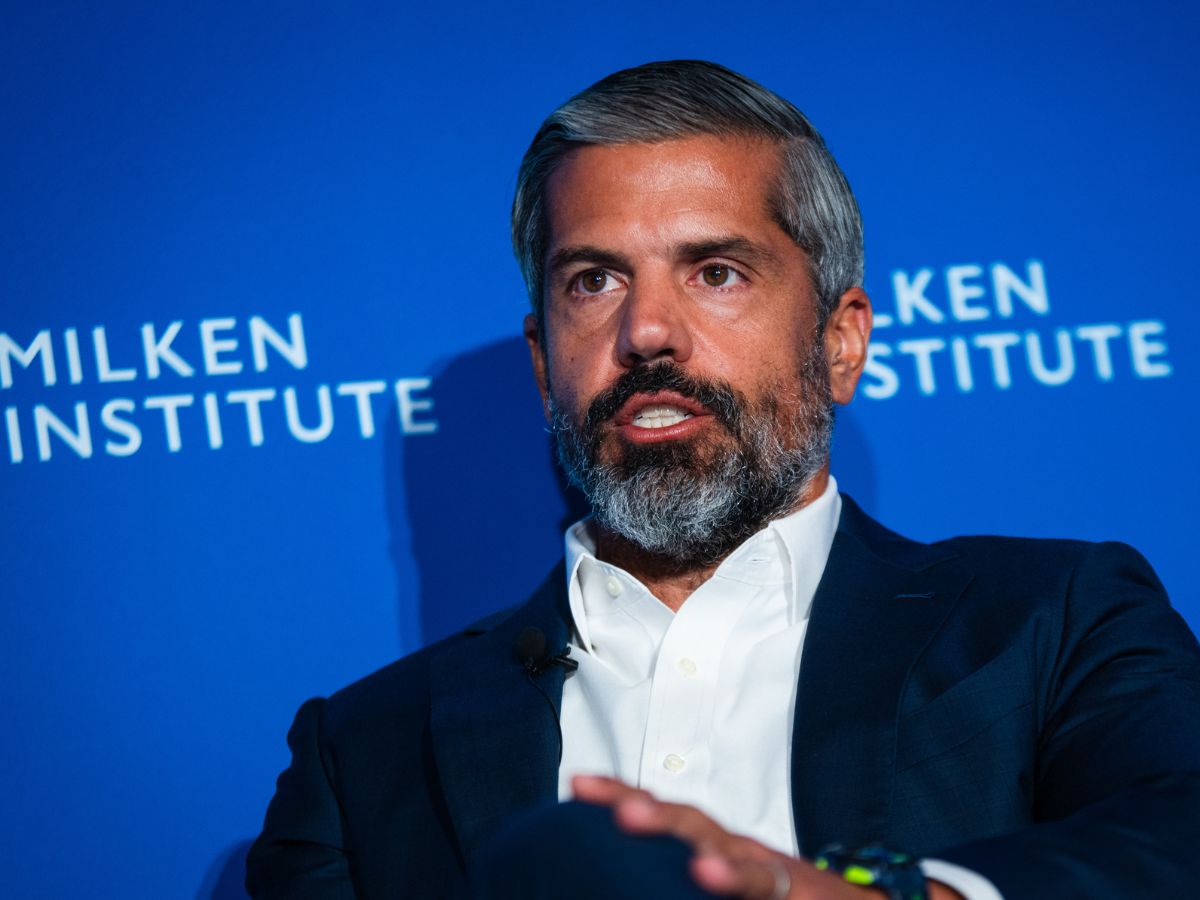
“If we go into big data centre opportunities or big GPU opportunities or other technology-focused investments, as a credit investor, you’re not getting paid for that upside and you’re stuck in the investment if it goes sideways,” Neumark said Monday at the Milken Institute’s Global Dialogues event in Toronto, coinciding with the Canada Investment Summit.
Article contentArticle content
That asymmetry is becoming more important as private lenders move deeper into financing the infrastructure underpinning AI. The technology requires enormous amounts of capital, but its rapid evolution also makes it harder to determine what specialized assets financed today will be worth by the time longer-dated loans mature.
Article content
Assets exposed to unusually rapid technological change are being financed with capital whose returns are capped and which can be difficult to exit. Equity investors can accept that uncertainty in exchange for potentially outsized gains. For lenders, the upside is limited to the terms of the loan even as they remain exposed to deterioration in collateral and recoveries.
Article content
Neumark argues that conviction in AI as a transformative technology shouldn’t be confused with conviction in every piece of debt used to finance it.
Article content
Story continues below
This advertisement has not loaded yet, but your article continues below.
Article content
“Not all good trends or good long-term projections will translate into good investments for every type of assets,” he said. “The relative value or the relative pickup that you’re going to get by doing a credit investment in AI infrastructure or other AI investments is not so material that you can justify taking incremental risks to get that exposure.”
Article contentRead More
- RBC’s McKay, Fortress co-CEO to join Milken Toronto event next month
- Why Canada’s industrial past is a key advantage in new tech era
- Story continues belowThis advertisement has not loaded yet, but your article continues below.
Article content
For Neumark, that puts duration, residual value and recoverability at the center of the underwriting. He said illiquid credit investors should “stay short duration,” understand the residual value of assets backing their loans, and ensure there is a way to exit or restructure an investment if needed.
Article content
Jenny Johnson, CEO of Franklin Templeton, which has about $1.8 trillion under management, said the pace of technological change is already altering how investors assess credit risk. The firm’s technology specialists have worked with its private credit team to examine individual sectors and the timing of potential disruption from AI.
Article content
AGF Investments Chief Investment Officer John Porter also pointed to data centers as an example of how traditional investment silos are breaking down. Evaluating the sector requires investors to consider the political environment surrounding data centers, the fixed-income implications of financing them and the equity upside from AI proliferation, he said. Toronto-based AGF Management oversees about C$74.2 billion ($53 billion) in assets.