
Article content
Canadian oilsands producers now have what’s needed policy-wise from the federal government to raise production enough to fill major new oil pipeline capacity, the country’s energy minister says.
Sign In or Create an Account
or View more offersArticle content
The government on Wednesday revealed plans to remove federal environmental reviews of energy projects, including oil and gas pipelines, natural gas plants and oilsands projects. Those are the latest shifts from Ottawa in the last year to signal greater backing for energy production and speed up regulatory approvals.
Article contentWe apologize, but this video has failed to load.Try refreshing your browser, or
tap here to see other videos from our team.We apologize, but this video has failed to load.Try refreshing your browser, or
tap here to see other videos from our team.Article content
Story continues below
This advertisement has not loaded yet, but your article continues below.
Article content
More than two million barrels of crude export pipeline capacity are planned over the coming decade (Canada currently produces just more than five million barrels a day of oil). That includes a proposed million-barrel-a-day line to the British Columbia coast that’s backed by both the Alberta and Canadian federal governments. Political leaders view the conduit as a means to boost oil exports to Asia and lessen reliance on the United States as a customer amid a gruelling trade war.
Article content
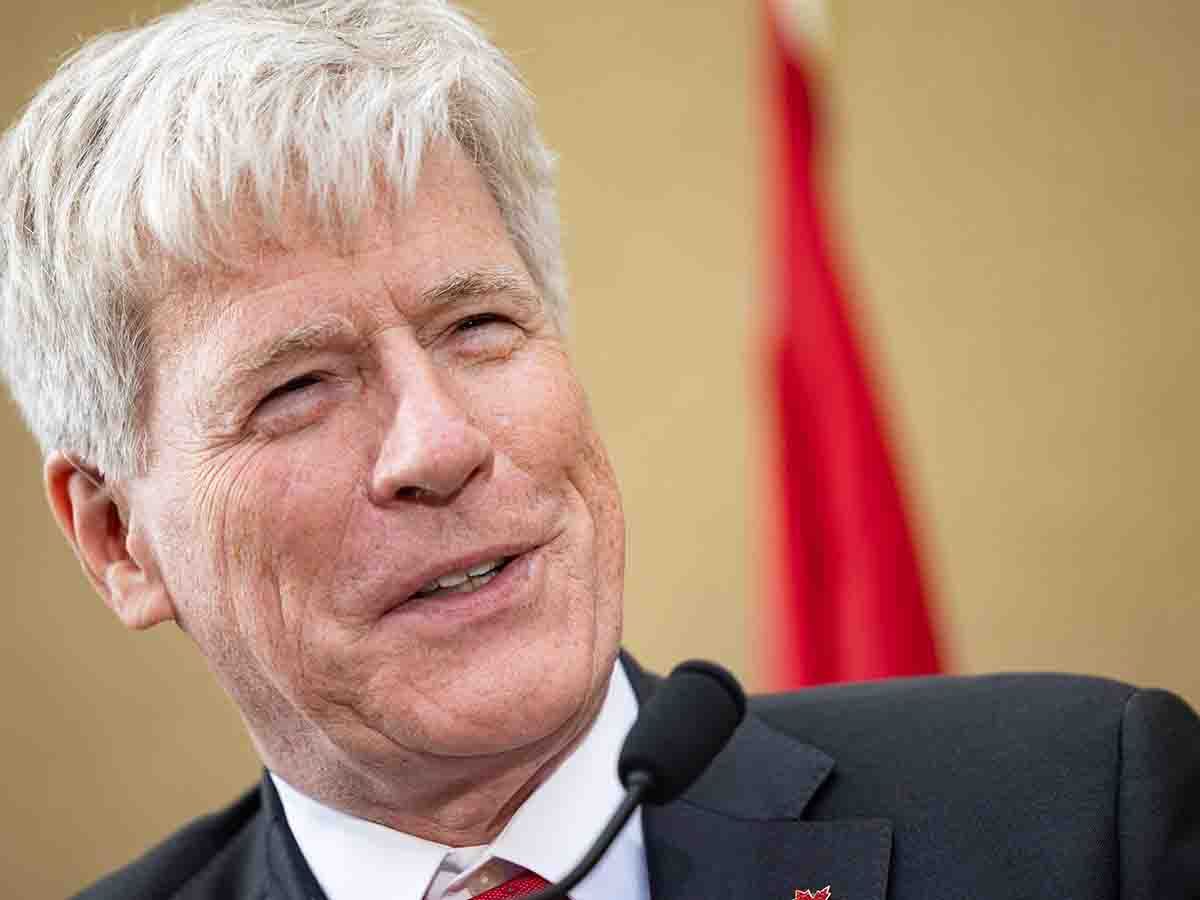
“I think if you talk with the oilsands people, they have what they need from the federal government,” Tim Hodgson said in an interview on Wednesday. “They are working through various incentives with other parties and I am confident they have what they need to fill the infrastructure that we’re proposing to build.”
Article content
The industry has complained about environmental policies placed on it under the previous government of Justin Trudeau, and haven’t meaningfully invested in expansion projects in more than a decade. That reticence to spend is running headlong into a policy turnaround under Prime Minister Mark Carney’s government, which has made becoming an energy superpower a key plank of its economic vision.
Article content
Story continues below
This advertisement has not loaded yet, but your article continues below.
Article content
The changes in regulations are in part a response to the trade tensions with the U.S., Hodgson said.
Article contentRead More
- Consolidation in one of Alberta’s hottest oil plays: Tamarack, Headwater merge in $10-billion deal
- Ebel steps down as Enbridge’s CEO, leaving pipeliner with $41 billion in growth projects
- Story continues belowThis advertisement has not loaded yet, but your article continues below.
Article content
“We are in a trade war, one we didn’t ask for, but we need to win,” he said. “If we are going to do that, we need to move faster. That does not mean do it less well, it means we raise the competence of government to do everything in an environmentally responsible way, to do everything in partnership with Indigenous peoples, but do it faster given where we are in the world.”
Article content
The Canadian and Alberta governments are continuing to negotiate terms for a major carbon capture project with the five major oilsands producers (Canadian Natural Resources Ltd., Suncor Energy Inc., Cenovus Energy Inc., ConocoPhillips Canada and Imperial Oil Ltd.).
Article content
Those talks involve possible incentives to encourage investment in new greenfield production, as well as the money needed to build the carbon storage project that altogether industry insiders and analysts say would require north of $100 billion.
Article content
Carney has relaxed some environmental regulations and delegated authority on oversight as part of a push to have a “one project, one review” regulatory regime. His government has also lowered the industrial carbon price target, and removed a consumer carbon tax.
Article content
Article content